One of the more disorienting things about starting molecular hydrogen is that there’s no government-established dose, no RDA, no clear “take X milligrams per day” instruction the way there is for vitamin D or magnesium. This isn’t a marketing gap, it reflects where the science actually is: a genuinely promising but still maturing research field where standardized dosing hasn’t been settled yet.
This guide walks through what’s actually known about dosing from the clinical trial record, and how a beginner might reasonably approach getting started. This article is for informational purposes only and is not a substitute for professional medical advice. Molecular hydrogen products have not been evaluated by the FDA to diagnose, treat, cure, or prevent any disease.
Key Takeaways
- No official dosing standard exists for molecular hydrogen, unlike vitamins with an established RDA.
- A 2024 systematic review of 25 human studies flagged the lack of standardized hydrogen-water concentrations as a key gap in the field [1].
- The 24-week metabolic syndrome trial that reported favorable results used high-concentration hydrogen-rich water consumed daily [2], a useful real-world reference point.
- No dose-response curve has been established, so ‘more is better’ assumptions aren’t supported by current evidence.
- The reported safety profile across trials is favorable, but anyone with a health condition or on medication should check with a physician before starting.
Why There’s No Standard Dose Yet
Molecular hydrogen research has grown quickly since the field’s 2007 founding study, but the underlying trials have used a wide variety of delivery methods (hydrogen water, tablets, inhalation) and concentrations, making it hard to pool results into a single dosing recommendation. A 2024 systematic review pooling 25 human studies explicitly identified inconsistent, non-standardized hydrogen-water concentrations as one of the field’s central remaining limitations [1]. In practice, this means anyone shopping for a hydrogen product will see a range of claimed concentrations without a clear, universally agreed-upon target.

A Real Reference Point From the Trial Record
Rather than a government-set number, the most useful reference point for a beginner is what an actual favorable clinical trial used. The 24-week randomized, placebo-controlled trial in 60 adults with metabolic syndrome used high-concentration hydrogen-rich water consumed daily and reported statistically significant improvements in blood glucose, cholesterol, and inflammatory markers relative to placebo [2]. This gives a concrete, research-backed example of what a sustained daily protocol has looked like in practice, even though it doesn’t establish that this is the single optimal amount.
A Sensible Starting Approach
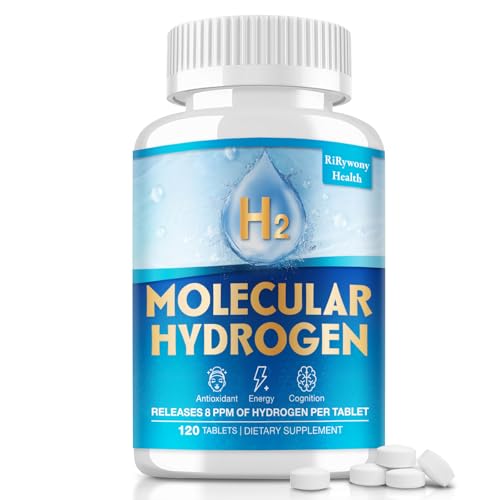
Given the absence of an official dosing standard, a cautious approach for someone new to molecular hydrogen is to start with a moderate, lower-concentration product rather than the highest-concentration option available, use it consistently for several weeks, and pay attention to how it’s tolerated. This isn’t a clinically validated protocol, it’s a common-sense way to introduce something new to a routine when the dose-response relationship hasn’t been mapped out in research.
Does More Mean Better Results?
It’s tempting to assume that a higher concentration or longer inhalation session automatically produces bigger benefits, but this isn’t something the current literature has tested directly. The metabolic syndrome trial used one specific protocol over 24 weeks and compared it to placebo [2]; it did not compare that dose against a higher or lower one to establish a dose-response curve. Until that kind of head-to-head comparison exists, assuming higher doses are automatically superior isn’t well supported.
Safety Considerations While Adjusting Dose
The reassuring part of the picture is safety: a systematic review pooling 25 human studies found no serious adverse effects reported across the collected trials [1]. This gives beginners reasonable confidence that experimenting within normal product-recommended ranges carries a low apparent risk. That said, anyone managing a chronic health condition, pregnant or breastfeeding, or taking prescription medications should discuss starting molecular hydrogen with a physician first, since most existing trial populations don’t cover every possible individual circumstance.
Frequently Asked Questions
Is there an officially established dose for molecular hydrogen?
No. Unlike vitamins or minerals with an established Recommended Dietary Allowance, molecular hydrogen has no official dosing standard. Clinical trials have used a wide range of concentrations and delivery methods, which makes it difficult to give a single universal number. A 2024 systematic review of 25 human studies explicitly noted that a lack of standardized hydrogen-water concentrations is one of the field’s key remaining gaps [1].
What dose did the clinical trials with favorable results actually use?
The 24-week randomized trial in adults with metabolic syndrome used high-concentration hydrogen-rich water consumed daily, and reported improvements in glucose, cholesterol, and inflammatory markers compared to placebo [2]. This gives a real-world reference point for what a research-grade daily intake has looked like, though it doesn’t necessarily mean lower or higher amounts wouldn’t also produce effects; that comparison hasn’t been directly tested.
How should a complete beginner start?
A cautious, common-sense approach is to start with a lower-concentration product (or shorter inhalation session) than the maximum the manufacturer suggests, use it consistently for a few weeks, and observe how it’s tolerated before increasing intake. Because dosing standards don’t exist, this kind of gradual, self-monitored approach is more about individual comfort than following an established protocol.
Can taking more molecular hydrogen produce faster or bigger effects?
There’s no published evidence establishing a clear dose-response curve for molecular hydrogen the way there is for many drugs and some supplements. The existing favorable trial used a specific, sustained protocol over 24 weeks [2]; it did not test whether doubling or tripling that amount produces proportionally larger benefits, and assuming ‘more is better’ isn’t supported by the current literature.
Is it safe to experiment with dosage as a beginner?
The favorable safety profile reported across the systematic review of 25 human studies, no serious adverse effects, is reassuring for beginners [1]. That said, anyone with an existing health condition, who is pregnant or breastfeeding, or taking prescription medication should talk to a physician before starting, since the safety data comes primarily from generally healthy or specific clinical trial populations, not every possible circumstance.
References
- Dhillon G et al. Hydrogen Water: Extra Healthy or a Hoax? A Systematic Review. Int J Mol Sci (2024). PMID 38256045
- LeBaron TW et al. Hydrogen Rich Water Improves Glycemic Control and Symptoms in Metabolic Syndrome: A Randomized Controlled Trial. Diabetes Metab Syndr Obes (2020). PMID 32273740
These statements have not been evaluated by the FDA. This product is not intended to diagnose, treat, cure, or prevent any disease. This article is for informational purposes only and is not a substitute for professional medical advice. As an Amazon Associate we earn from qualifying purchases.
These statements have not been evaluated by the Food and Drug Administration. This information is not intended to diagnose, treat, cure, or prevent any disease. Content is for informational purposes only and is not medical advice; consult a qualified healthcare provider before starting any supplement. As an Amazon Associate we earn from qualifying purchases.
