Once someone decides to try molecular hydrogen, the next question is almost always practical: tablets, powder, pre-bottled water, or an inhalation device? Each format gets hydrogen gas into the body through a slightly different route, and understanding those differences helps set realistic expectations about concentration, freshness, and convenience.
This article is for informational purposes only and is not a substitute for professional medical advice. Molecular hydrogen products have not been evaluated by the FDA to diagnose, treat, cure, or prevent any disease.
Key Takeaways
- Tablets and powders generate hydrogen gas fresh via a magnesium-based reaction at the moment they’re added to water.
- Pre-bottled hydrogen water is infused with hydrogen at manufacturing time and can lose concentration during shipping and after opening.
- Hydrogen’s small molecular size lets it diffuse quickly regardless of format, so the bigger variable is actual dissolved concentration (ppm), not the delivery category itself [1].
- Inhalation devices deliver higher concentrations directly via the lungs and were used in the foundational 2007 research [1], but are less common for everyday home use.
- Hydrogen water in its various forms has the largest body of human clinical trial support to date [2].
Tablets and Powders: Fresh Generation on Demand
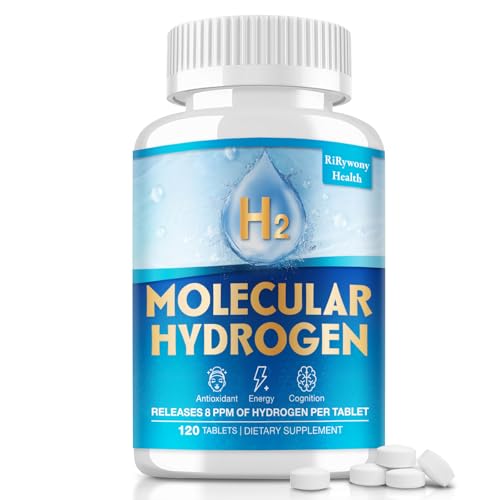
Effervescent hydrogen tablets and powders typically rely on a reaction, often involving food-grade magnesium, that releases hydrogen gas the moment they hit water. The appeal of this format is freshness: the hydrogen is generated right before drinking, rather than having been dissolved days or weeks earlier and potentially lost some concentration in transit. These formats are also generally the most portable and shelf-stable option, since the tablet or powder itself doesn’t contain pressurized gas that can slowly leak out over time the way a pre-charged bottle can.

Pre-Bottled Hydrogen Water: Convenience With a Freshness Tradeoff
Pre-bottled hydrogen water is infused with dissolved hydrogen at the point of manufacturing and then sealed, often in aluminum or specialized packaging designed to slow the gas’s escape. The convenience is real, no mixing required, but hydrogen is small enough to gradually diffuse through most packaging over time and dissipates quickly once a bottle is opened and exposed to air. This means the actual concentration a person drinks can depend heavily on how long a bottle sat in shipping and storage before it reached them, a variable that’s harder to control than with a tablet mixed fresh at home.
Does the Format Change How Much Hydrogen Reaches the Body?
Once hydrogen is dissolved in water, its behavior in the body doesn’t depend on which format produced it. Hydrogen’s extremely small molecular size lets it diffuse rapidly across the gut lining and cell membranes regardless of whether the dissolved gas originated from a tablet, powder, or pre-bottled source [1]. The variable that actually matters is the dissolved hydrogen concentration at the moment of consumption, measured in parts per million (ppm), which can differ substantially between specific products within the same category, not just between categories.
Where Inhalation Fits In
Inhalation devices represent a different category altogether, delivering hydrogen gas directly to the lungs and bloodstream rather than through dissolved water. This route can achieve meaningfully higher concentrations than what water can hold in solution, and it was the delivery method used in the foundational 2007 research that demonstrated hydrogen’s effects in an animal model of brain injury [1]. However, inhalation equipment tends to be more expensive and less convenient for daily home use than water-based options, which is part of why hydrogen water, in its various tablet, powder, and bottled forms, dominates the consumer market and the bulk of human clinical trial data [2].
Choosing Between Formats
For most people getting started, the choice between tablets, powder, and pre-bottled water comes down to convenience, cost, and how much control they want over freshness. Tablets and powders offer more control over generating hydrogen right before drinking; pre-bottled water offers more convenience at the cost of some uncertainty about how much concentration remains by the time it’s consumed. Neither format has been shown in research to be inherently superior to the other once the hydrogen is actually dissolved and consumed.
Frequently Asked Questions
What’s the actual difference between hydrogen tablets, powder, and pre-made hydrogen water?
All three are designed to get molecular hydrogen (H2) dissolved into water for drinking. Effervescent tablets and powders typically use a magnesium-based reaction to generate hydrogen gas on contact with water, producing it fresh at the moment of use. Pre-bottled hydrogen water is infused with hydrogen at manufacturing time and sealed to slow the gas from escaping before it’s opened. Inhalation devices are a separate category entirely, delivering hydrogen gas directly via the lungs rather than dissolved in liquid.
Does one delivery format get more hydrogen into the body than another?
Because hydrogen is the smallest, most diffusible molecule that exists, it moves across cell membranes and the gut lining quickly once dissolved, regardless of whether it originated from a tablet, powder, or pre-bottled source [1]. The bigger practical variable isn’t the format itself but the actual dissolved hydrogen concentration (measured in ppm) at the moment it’s consumed, which can vary significantly between products regardless of category.
Why does hydrogen concentration drop over time in bottled water?
Hydrogen gas is small enough to escape through most packaging over time, and it dissipates quickly once a container is opened and exposed to air. This is why tablets and powders that generate hydrogen fresh, right before drinking, are often preferred by people trying to maximize the actual dissolved concentration they consume, versus a bottle that may have lost some of its hydrogen content during shipping and storage.
Is inhaled hydrogen gas stronger than drinking hydrogen water?
Inhalation devices generally deliver a much higher concentration of hydrogen directly to the lungs and bloodstream than what can be dissolved in a glass of water, since water has a natural saturation limit for dissolved gas. The foundational 2007 research that started this field specifically used inhaled hydrogen gas in its animal model [1], though most consumer-facing, at-home products today are water-based rather than inhalation-based due to cost and equipment complexity.
Which format has the most human clinical trial support?
Hydrogen water, in tablet, powder, or pre-bottled form, has the largest body of human clinical trial data to date, including the trials reviewed in a 2024 systematic review covering 25 studies [2]. Inhalation-based human research exists but is a smaller subset of the overall literature, with most of the foundational mechanistic work having originated in animal models.
References
- Ohsawa I et al. Hydrogen acts as a therapeutic antioxidant by selectively reducing cytotoxic oxygen radicals. Nature Medicine (2007). PMID 17486089
- Dhillon G et al. Hydrogen Water: Extra Healthy or a Hoax? A Systematic Review. Int J Mol Sci (2024). PMID 38256045
These statements have not been evaluated by the FDA. This product is not intended to diagnose, treat, cure, or prevent any disease. This article is for informational purposes only and is not a substitute for professional medical advice. As an Amazon Associate we earn from qualifying purchases.
These statements have not been evaluated by the Food and Drug Administration. This information is not intended to diagnose, treat, cure, or prevent any disease. Content is for informational purposes only and is not medical advice; consult a qualified healthcare provider before starting any supplement. As an Amazon Associate we earn from qualifying purchases.
