Molecular hydrogen is the smallest, most diffusible molecule that exists, and that property cuts both ways. It’s why H2 gas can cross cell membranes and the blood-brain barrier freely, and it’s also why hydrogen-rich water starts losing its dissolved gas the moment it’s made. If you’ve ever wondered whether it matters that you drink your hydrogen water right away instead of letting it sit on the counter, the answer is yes, and the physics behind it is worth understanding before you buy a container that works against you.
Why Hydrogen Escapes Water So Quickly
Hydrogen gas (H2) has an extremely low molecular weight and a very small kinetic diameter, smaller than oxygen, carbon dioxide, or almost any other gas people are used to dissolving in beverages. That small size lets H2 diffuse through most plastics and even some types of glass and metal at a meaningfully faster rate than larger gas molecules like CO2, which is why a hydrogen tablet dropped into an open glass will measurably lose concentration within minutes, not hours. Research characterizing H2’s biological mechanism describes it as being able to rapidly diffuse across cell membranes and reach subcellular compartments, including mitochondria and the nucleus, within minutes of exposure [1]. The same diffusibility that makes H2 pharmacologically interesting also makes it hard to keep dissolved in an open container.
Container Type Changes the Timeline Dramatically
Independent testing of hydrogen water products consistently shows a wide spread in how long dissolved H2 concentration is maintained, and container material is the single biggest variable. A standard polyethylene terephthalate (PET) plastic bottle, the type most bottled water and many “hydrogen water” bottled products ship in, is permeable enough to H2 that dissolved concentration drops substantially within a few hours of sealing, regardless of how much H2 was in the water at the moment of production. Aluminum cans and specialized multi-layer aluminum pouches used by dedicated hydrogen water brands are far less permeable and can hold a meaningfully higher fraction of the original H2 concentration for days to weeks when unopened. Once any container is opened, exposing the water to ambient air, the countdown restarts and accelerates: open-air off-gassing at room temperature typically brings concentration down substantially within 30 to 60 minutes, faster in warmer water or wider-mouthed containers, since dissolved gas escapes faster from water with more exposed surface area and higher temperature.
What This Means for Tablets vs. Pre-Bottled Water
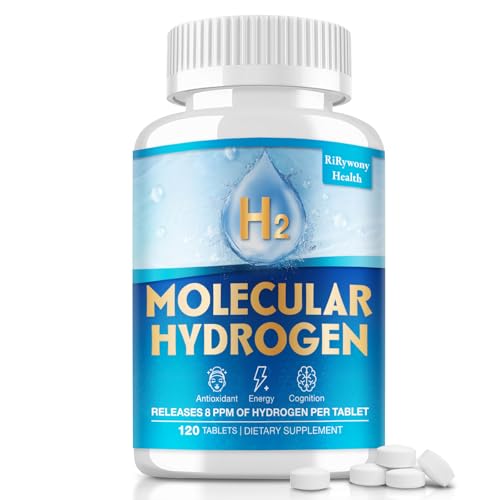
This is the practical reason hydrogen tablets and magnesium-based generating sticks are generally considered a more reliable way to get a meaningful H2 dose than pre-bottled “hydrogen water” sold on a shelf: the reaction that produces H2 in a tablet happens in your glass, right before you drink it, so there’s no multi-day or multi-week shipping-and-shelf window for the gas to escape before it reaches you. A bottled product manufactured weeks earlier and shipped in standard plastic packaging may have lost most of its labeled H2 concentration long before it’s opened, even if the PPM reading at the factory was accurate at the moment of bottling. This doesn’t mean every bottled product is worthless, well-packaged aluminum products with documented shelf-stability testing exist, but it does mean the production date and packaging material matter more than the PPM number printed on the label, which reflects a single point in time that may not be the point in time you’re actually drinking it.
Practical Timing Guidance
If you’re using tablets or a generating device, the straightforward takeaway is to drink the water within roughly 5 to 10 minutes of the reaction finishing, while the majority of the generated H2 is still dissolved, rather than letting it sit while you do something else. Using a lidded or capped container while the tablet dissolves, and only opening it right before drinking, reduces the surface area exposed to air and slows the loss somewhat. Drinking slowly over an hour from an open glass will mean the second half of the glass has meaningfully less H2 than the first, since concentration is dropping continuously the moment the container is open, though the water is still safe and normal to drink either way, it just isn’t delivering the same H2 dose the further out from preparation you get.

Practical Takeaway
Hydrogen’s small molecular size, the same property behind its proposed biological effects, is also why it doesn’t stay dissolved in water for long, especially in permeable plastic containers or once a container is opened to air. For tablets and generating devices, drink within about 5 to 10 minutes of the reaction completing and keep the container capped until you’re ready. For bottled products, packaging material (aluminum over plastic) and how recently it was manufactured matter more than the PPM figure alone, since that number only describes the water at the moment it was measured, not necessarily the moment it reaches your glass.
References
- Hydrogen acts as a therapeutic antioxidant by selectively reducing cytotoxic oxygen radicals. Nature Medicine, 2007
These statements have not been evaluated by the Food and Drug Administration. This information is not intended to diagnose, treat, cure, or prevent any disease. Content is for informational purposes only and is not medical advice; consult a qualified healthcare provider before starting any supplement. As an Amazon Associate we earn from qualifying purchases.
