Delayed onset muscle soreness, the ache that peaks 24 to 48 hours after a hard resistance or endurance session, is one of the most common reasons athletes and recreational lifters go looking for a recovery supplement. Molecular hydrogen has a small but genuinely encouraging body of human trial evidence here, distinct from the broader athletic-performance research this site has covered elsewhere.
This article is for informational purposes only and is not a substitute for professional medical advice. Molecular hydrogen products have not been evaluated by the FDA to diagnose, treat, cure, or prevent any disease.
Key Takeaways
- A randomized crossover trial found hydrogen-rich water reduced perceived soreness and blood lactate after resistance training compared to placebo water [1].
- A separate randomized, double-blind, placebo-controlled crossover trial in elite fin swimmers found hydrogen-rich water supported recovery between two strenuous same-day training sessions [2].
- Both trials used trained or elite athletes performing structured, repeatable exercise protocols, not casual gym-goers with unpredictable training loads.
- The proposed mechanism is reduced exercise-induced oxidative stress and lower blood lactate accumulation, not a direct anti-inflammatory or analgesic effect.
What DOMS Actually Is, and Why It’s a Reasonable Target for Hydrogen
DOMS is thought to result from microscopic muscle fiber damage during unaccustomed or eccentric-heavy exercise, followed by an inflammatory and oxidative stress response as the tissue repairs. Because molecular hydrogen’s proposed mechanism is selective scavenging of the hydroxyl radical, one of the more damaging reactive oxygen species generated during intense exercise, DOMS is a mechanistically plausible target even before looking at trial data. That plausibility is exactly why this is worth separating from more general “hydrogen for athletes” claims: DOMS has its own dedicated trials.
The Resistance Training Trial
A randomized crossover study had trained participants complete resistance training sessions under two conditions, hydrogen-rich water and placebo water, then tracked muscle performance markers, blood lactate response, and subjective soreness ratings in the following days [1]. The hydrogen condition was associated with a smaller rise in blood lactate and lower reported soreness scores relative to placebo. Lactate isn’t a direct cause of DOMS, muscle damage and the resulting oxidative and inflammatory cascade are, but a blunted lactate response alongside lower soreness scores is a consistent enough pairing to take seriously as a training-tolerance signal, not just a subjective placebo-adjacent report.
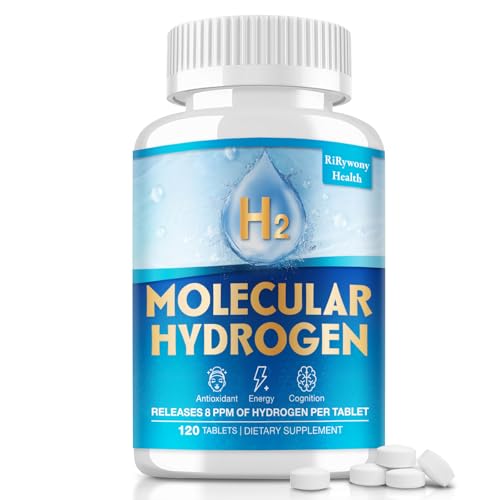
The Elite Swimmer, Same-Day Double-Session Trial
A randomized, double-blind, placebo-controlled crossover trial in elite fin swimmers tested hydrogen-rich water specifically in the demanding scenario of two strenuous training sessions on the same day, a setup designed to stress recovery capacity more than a single-session protocol would [2]. The hydrogen condition was associated with better recovery markers between the two sessions compared to placebo. This trial is notable for testing a same-day repeated-effort scenario, which is closer to a competitive training block than a single soreness measurement taken days later, and for using an elite athlete population where small performance margins are taken seriously.
What This Does and Doesn’t Establish
Both trials are genuine randomized, controlled, crossover designs, which is a meaningfully stronger design than an open-label or single-arm study. But both are also small trials in trained or elite athlete populations completing structured, repeatable protocols. Whether the same soreness reduction shows up in an untrained person doing an unfamiliar workout, historically one of the more severe DOMS triggers, hasn’t been directly tested. The honest summary: this is a case where the available human evidence is more specific and more favorable than for many other molecular hydrogen use cases, but it’s still built on two trials, not a large or diverse evidence base.
Does hydrogen water replace normal recovery basics like sleep and protein intake?
No. Both trials tested hydrogen water as an addition on top of normal training and recovery practices, not as a replacement for them. Sleep, protein intake, and training load management remain the foundational recovery levers; hydrogen water’s role in the research is as a possible incremental addition.

How soon after exercise should hydrogen water be consumed for a DOMS benefit?
The published trials administered hydrogen-rich water around and after the training sessions being studied, but neither trial was designed to isolate an optimal timing window. There isn’t currently a human trial that directly compares different post-exercise timing protocols for hydrogen intake and DOMS outcomes.
References
- Botek M et al. Hydrogen-Rich Water Positively Affects Muscle Performance, Lactate Response, and Alleviates Delayed Onset of Muscle Soreness After Resistance Training. J Strength Cond Res (2022). PMID 33555824
- Sladeckova B et al. Hydrogen-Rich Water Supplementation Promotes Muscle Recovery After Two Strenuous Training Sessions Performed on the Same Day in Elite Fin Swimmers: A Randomized, Double-Blind, Placebo-Controlled, Crossover Trial. Front Physiol (2024). PMID 38681143
These statements have not been evaluated by the FDA. This product is not intended to diagnose, treat, cure, or prevent any disease. This article is for informational purposes only and is not a substitute for professional medical advice. As an Amazon Associate we earn from qualifying purchases.
These statements have not been evaluated by the Food and Drug Administration. This information is not intended to diagnose, treat, cure, or prevent any disease. Content is for informational purposes only and is not medical advice; consult a qualified healthcare provider before starting any supplement. As an Amazon Associate we earn from qualifying purchases.
