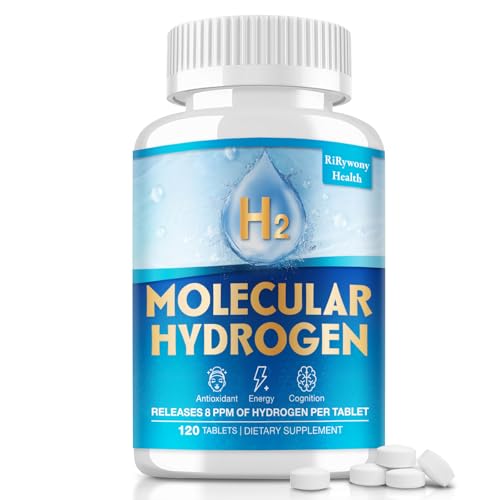
Most hydrogen water tablets are magnesium-based: the tablet reacts with water to release H2 gas, and magnesium ions are left behind in the water along with it. That detail raises a reasonable question for anyone tracking their mineral intake, especially people with a personal or family history of kidney stones: does regularly drinking magnesium-containing hydrogen water change urinary mineral balance in a way that matters for stone risk?
This article is for informational purposes only and is not a substitute for professional medical advice. Molecular hydrogen products have not been evaluated by the FDA to diagnose, treat, cure, or prevent any disease.
Key Takeaways
- Most human evidence points toward magnesium being protective against calcium oxalate stones, not a risk factor, through both intestinal oxalate binding and increased urinary citrate [1][2].
- A mouse study found hydrogen-rich water reduced oxalate-induced crystal deposition and kidney tissue damage, though this is preclinical animal evidence, not a human stone-prevention trial [3].
- The magnesium dose in a typical hydrogen tablet is small compared to therapeutic magnesium supplement doses used in stone-prevention research.
- People with impaired kidney function should still discuss any magnesium-containing supplement, including hydrogen tablets, with a physician, since compromised kidneys clear magnesium less efficiently.
Why This Question Is Reasonable to Ask
Roughly 80% of kidney stones are calcium oxalate stones, which form when urine becomes supersaturated with calcium and oxalate relative to the fluid’s ability to keep them dissolved. Magnesium enters that picture in two ways: in the intestine, where it can bind dietary oxalate and reduce how much gets absorbed into the bloodstream in the first place, and in the urine itself, where magnesium can bind free oxalate to form magnesium oxalate, a compound that is considerably more soluble than calcium oxalate and therefore less prone to crystallizing into a stone. Someone taking a magnesium-based hydrogen tablet daily is, in a small way, adding to their magnesium intake, so it is fair to ask which direction that pushes stone risk.
What Human Evidence Shows on Magnesium and Stone Risk
The observational data leans protective. A large prospective cohort following more than 45,000 men over 14 years found that those with the highest dietary magnesium intake had a meaningfully lower risk of forming a first kidney stone compared to those with the lowest intake [1]. People who already have kidney stones also tend to show lower magnesium levels in blood and urine than people without stones, which is consistent with magnesium playing a protective rather than causative role.
A 2024 randomized clinical trial went further, testing magnesium oxide and magnesium citrate supplements directly in kidney stone formers with idiopathic hyperoxaluria (excess oxalate in the urine, a specific and common driver of calcium oxalate stones). Both supplement forms reduced 24-hour urinary oxalate excretion and calcium oxalate supersaturation compared to placebo, with magnesium citrate producing the more statistically significant reduction [2]. That trial used therapeutic magnesium doses specifically chosen to influence stone chemistry, considerably higher than what a person absorbs from a single hydrogen tablet, but it establishes the direction of effect in a designed human trial rather than an observational study alone.
Not every source agrees the picture is fully settled. Review literature describes magnesium’s role in calcium oxalate inhibition as debated for decades, with some experimental work showing clear inhibitory effects and other studies failing to confirm a stone-prevention benefit in every population tested. The honest summary is: protective direction, imperfect consensus, no evidence pointing toward magnesium increasing stone risk in a person with normal kidney function.
The Hydrogen-Specific Animal Study
Separate from the magnesium question, one preclinical study looked at hydrogen-rich water itself and oxalate-induced kidney injury. Researchers fed mice a soluble oxalate diet to induce calcium oxalate crystal formation and kidney damage, then gave one group hydrogen-rich water alongside the diet. The hydrogen-rich water group showed less crystal deposition, less tubular injury, less fibrosis, and lower markers of oxidative stress and inflammation in kidney tissue than the group given the oxalate diet without hydrogen-rich water, with the effect linked to reduced activity in three specific inflammatory and fibrotic signaling pathways [3].
This is a genuinely relevant finding, but it needs to be framed accurately: it is a mouse model using a deliberately oxalate-loaded diet, not a human clinical trial, and it does not establish that drinking hydrogen water prevents kidney stones in people. What it does suggest, consistent with the magnesium literature above, is that nothing in the available evidence points toward hydrogen water or its magnesium byproduct working against kidney health. The mechanistic story, antioxidant and anti-inflammatory activity reducing oxalate-driven tissue damage, is at least plausible and worth follow-up in human research.

Putting the Dose in Context
A single hydrogen tablet designed to treat roughly 12 to 20 ounces of water typically releases a small fraction of the magnesium found in a standard 200 to 400 mg oral magnesium supplement, since the tablet’s magnesium is a reaction byproduct rather than the intended payload. For most people drinking one to three servings of hydrogen tablet water per day, the added magnesium is unlikely to meaningfully move the needle on 24-hour urinary magnesium excretion compared to diet alone. Someone specifically trying to reach therapeutic magnesium levels for stone prevention, under a physician’s guidance, would still need a dedicated magnesium supplement rather than relying on hydrogen tablet water to get there.
Should someone with a history of kidney stones avoid magnesium-based hydrogen tablets?
Based on the available evidence, there is no clear reason to avoid them on magnesium grounds alone, since magnesium’s established relationship with calcium oxalate stones is protective rather than causative. That said, kidney stone history varies by stone type (calcium oxalate, uric acid, struvite, cystine), and anyone with a personal stone history should review any new regular supplement, including hydrogen tablets, with their physician or urologist rather than assuming this general finding applies to their specific case.
Does hydrogen water affect urinary pH?
The reaction that produces hydrogen from a magnesium-based tablet can modestly raise water pH. Existing hydrogen water research has not established a clinically meaningful effect on urinary pH from typical consumption, and this remains an area without dedicated human trial data specific to hydrogen tablets.

What This Does and Doesn’t Support
The weight of evidence, human observational data, one human RCT on therapeutic-dose magnesium, and one preclinical hydrogen-specific animal study, points in a reassuring direction rather than a concerning one. None of it constitutes a hydrogen-water-specific human trial proving stone prevention, and the animal study in particular should not be read as clinical proof. For someone without kidney disease or an active stone-forming condition, the evidence gives no reason for concern. For someone actively managing stone disease, this is a conversation for a urologist, not a decision to make from a blog post.
References
- Taylor EN, Stampfer MJ, Curhan GC. Dietary Factors and the Risk of Incident Kidney Stones in Men: New Insights After 14 Years of Follow-Up. J Am Soc Nephrol (2004). PMID 15579526
- Effect of magnesium oxide or citrate supplements on metabolic risk factors in kidney stone formers with idiopathic hyperoxaluria: a randomized clinical trial. Magnesium Research (2024). PMID 39077820
- Si Y et al. Oral Hydrogen-Rich Water Alleviates Oxalate-Induced Kidney Injury by Suppressing Oxidative Stress, Inflammation, and Fibrosis. Front Med (2021). PMID 34490303
These statements have not been evaluated by the FDA. This product is not intended to diagnose, treat, cure, or prevent any disease. This article is for informational purposes only and is not a substitute for professional medical advice. As an Amazon Associate we earn from qualifying purchases.
These statements have not been evaluated by the Food and Drug Administration. This information is not intended to diagnose, treat, cure, or prevent any disease. Content is for informational purposes only and is not medical advice; consult a qualified healthcare provider before starting any supplement. As an Amazon Associate we earn from qualifying purchases.
