Most hydrogen research targets a disease. One small crossover trial did something less common: it tested whether hydrogen-rich water changes mood, anxiety and autonomic nervous system function in healthy adults going about ordinary life[1]. The endpoints include an objective physiological measure alongside the questionnaires, which makes it more interesting than its size would suggest.
Why study healthy people
Trials in patients ask whether something treats a condition. Trials in healthy volunteers ask a different question: does this change anything in a person who is not ill? For a consumer product, that second question is usually the relevant one, and it is the one most supplement research skips.
The framing the authors used is that chronic oxidative stress and inflammation degrade central nervous system function over time, and that aging, job stress and sustained cognitive load all raise oxidative stress even in healthy individuals[1]. If that is true, then reducing accumulated oxidative stress from ordinary daily demands is a plausible target, independent of any disease.
The trial design
This was a double-blinded, placebo-controlled study with a two-way crossover design[1]. Twenty-six volunteers took part, 13 female and 13 male, with a mean age of 34.4 years. Participants were randomized to receive either 600 millilitres per day of hydrogen-rich water or 600 millilitres per day of placebo water for four weeks.
The crossover design is the strongest feature here. In a crossover, each participant receives both the intervention and the placebo across separate periods, so every person acts as their own control. That removes between-person variability, which is substantial for mood and autonomic measures, and it means a crossover trial can detect an effect with fewer participants than a parallel-group trial would need.
It has a specific weakness worth naming: carryover. If an effect persists after the first period ends, it contaminates the second period. Whether the washout between periods was adequate is not something the abstract settles, and for an intervention whose duration of action is not well characterised, that is a real uncertainty.
What was measured
Two findings were reported. Change ratios, calculated as post-treatment divided by pre-treatment, were significantly lower after hydrogen-rich water than after placebo water for two measures: the K6 score, and sympathetic nerve activity during the resting state[1].
The K6 is a six-item screening instrument for psychological distress, widely used in population surveys. It asks how often over a recent period a person felt nervous, hopeless, restless, depressed, that everything was an effort, and worthless. Lower scores mean less distress. It is a validated instrument, which is better than an ad-hoc mood questionnaire, and it is still entirely self-reported.
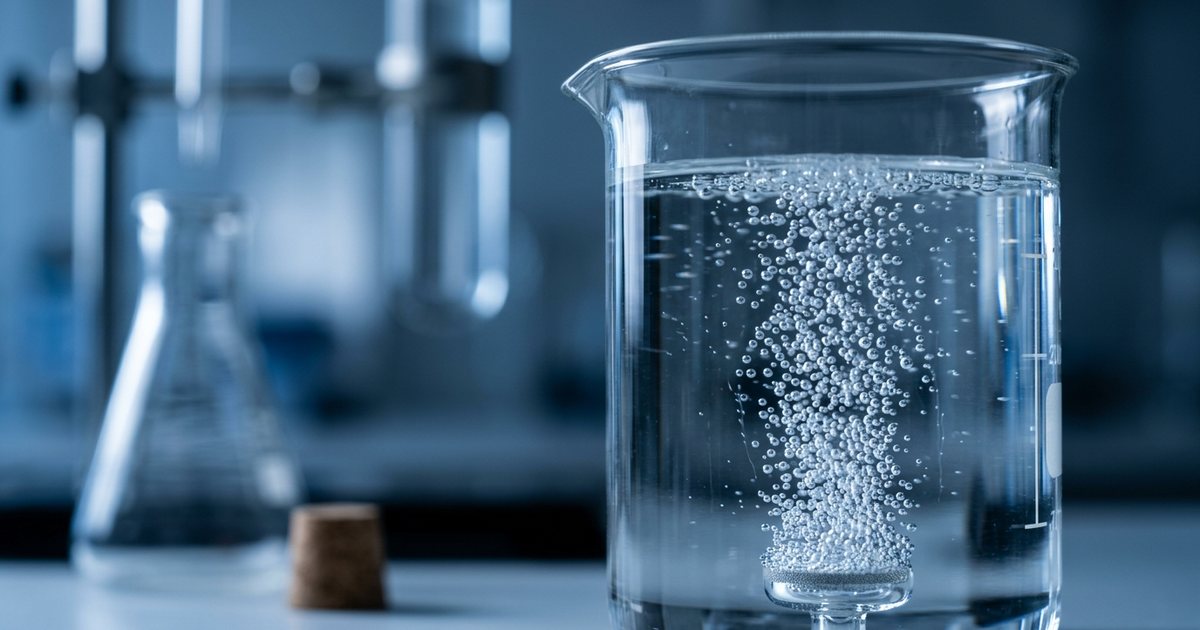
Resting sympathetic nerve activity is the more interesting endpoint. The sympathetic branch of the autonomic nervous system drives the fight-or-flight response, and elevated resting sympathetic tone is associated with chronic stress. It is typically derived from heart rate variability analysis, and critically, it is not something a participant can consciously report or intentionally change. That makes it substantially harder to move through expectation alone than a questionnaire score is.

A trial that moved only the questionnaire would be easy to dismiss. A trial that moved a self-report and a physiological measure in the same direction is a more coherent result, because expectation is a poor explanation for the second one.
The limitations, stated plainly
Twenty-six participants is small even for a crossover design, and the study period was four weeks.
The results are reported as change ratios rather than absolute scores[1]. A ratio tells you the direction and relative size of a change but not where participants started or finished. A distress score that falls from mildly elevated to normal and one that falls from low to slightly lower can produce a similar ratio while meaning very different things clinically. Without the absolute values, the practical size of the effect cannot be judged from the abstract.
The paper’s conflict-of-interest statement discloses that one author received funding for the study from a beverage corporation[1]. As with the rest of this literature, disclosure is the right behaviour and industry funding is a reason to weight independent replication heavily rather than a reason to discard the result.
The paper’s own conclusion is appropriately hedged: it says hydrogen-rich water may reinforce quality of life through effects on central nervous system functions involving mood, anxiety and autonomic nerve function[1]. That is a “may”, from a 26-person four-week study.
What the larger trial says about quality of life
There is a useful counterweight. The six-month trial in adults aged 70 and over measured health-related quality of life among its broad outcome panel, and found no significant difference between hydrogen-rich water and control[2].
Those two results are not directly contradictory. Different populations, mean age 34 against mean age 76, different durations, four weeks against six months, and different instruments, K6 distress screening against a general health-related quality-of-life measure. But it does mean the mood and wellbeing question does not have a consistent answer across the literature, and anyone citing the positive trial should know the larger and longer one did not find a wellbeing effect.
The proposed mechanism
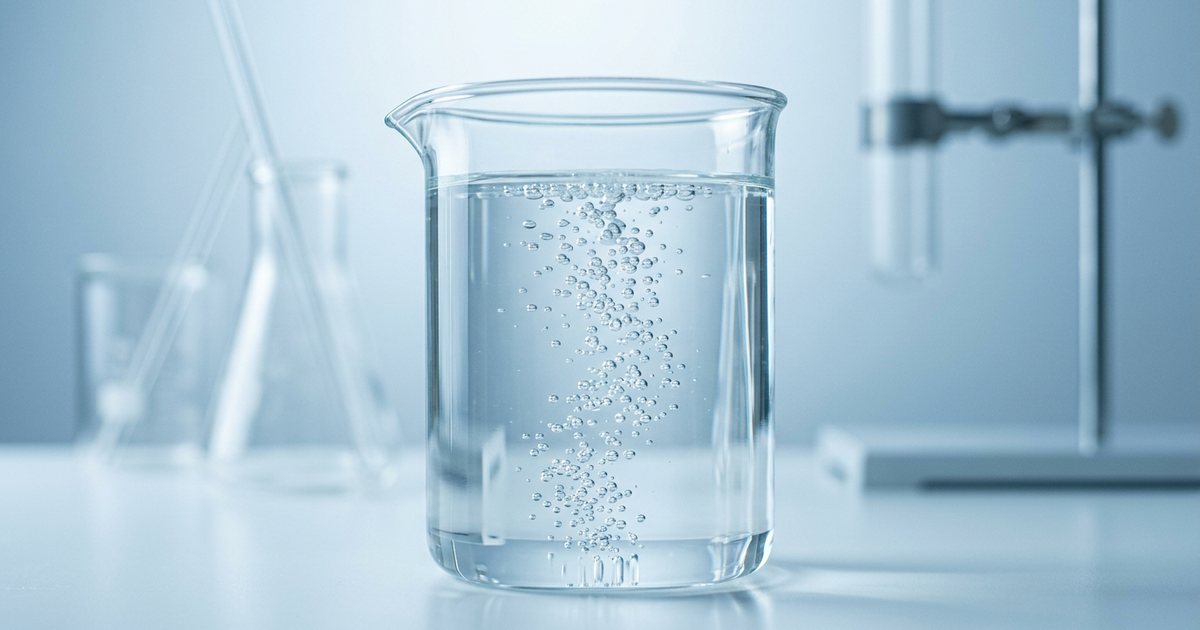
The reasoning rests on hydrogen acting as a selective antioxidant, reducing cytotoxic oxygen radicals while leaving the reactive species involved in normal cellular signalling alone[3]. Applied to the nervous system, the argument is that neural tissue is metabolically demanding and vulnerable to oxidative damage, so reducing oxidative load might preserve function.
This trial did not measure oxidative stress markers. It measured distress scores and sympathetic activity. So the mechanism remains the motivation for the study rather than something the study demonstrated.
How to interpret this if you are considering it
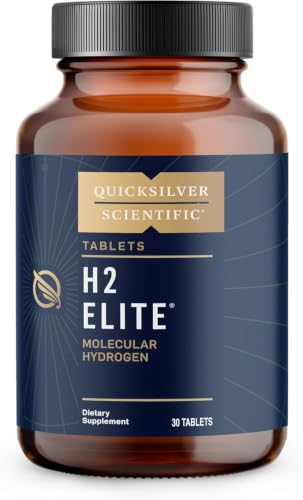
The dose tested was 600 millilitres daily for four weeks, which is a smaller volume than several other hydrogen trials used. If you are self-experimenting, matching a dose that was actually studied is more defensible than picking one.
Everyday stress, low mood and anxiety respond substantially to sleep, exercise, daylight and social contact, all of which have far more evidence behind them than a 26-person crossover trial. Hydrogen water is not a competitor to any of those.
Persistent low mood, anxiety that interferes with daily function, or symptoms lasting more than a couple of weeks are reasons to talk to a clinician. Self-treating a mood disorder with a consumer beverage is the failure mode this page is trying to avoid contributing to.
The bottom line
A 26-person, four-week, double-blind, placebo-controlled crossover trial found significantly lower change ratios for K6 psychological distress and for resting sympathetic nerve activity after hydrogen-rich water than after placebo water[1]. The inclusion of an objective autonomic measure alongside the questionnaire makes it harder to explain purely by expectation.
It is small, short, industry-funded, reported as ratios rather than absolute scores, and unreplicated, and a six-month trial in older adults found no quality-of-life effect[2]. Interesting, not settled.
References
- Hydrogen-rich water for improvements of mood, anxiety, and autonomic nerve function in daily life. Medical Gas Research, 2017
- The effects of 6-month hydrogen-rich water intake on molecular and phenotypic biomarkers of aging in older adults aged 70 years and over: A randomized controlled trial. Experimental Gerontology, 2021
- Hydrogen acts as a therapeutic antioxidant by selectively reducing cytotoxic oxygen radicals. Nature Medicine, 2007
These statements have not been evaluated by the Food and Drug Administration. This information is not intended to diagnose, treat, cure, or prevent any disease. Content is for informational purposes only and is not medical advice; consult a qualified healthcare provider before starting any supplement. As an Amazon Associate we earn from qualifying purchases.
