Molecular hydrogen (H2) is attracting growing interest as a health supplement, but the marketing around it ranges from sober to outlandish. If you have seen claims that hydrogen water cures disease or reverses aging overnight, you have encountered the outlandish end. The honest picture is more measured: H2 is the smallest known molecule, and a body of mostly early-stage research — concentrated in Japan and East Asia — suggests it may act as a selective antioxidant under specific cellular conditions. That is worth understanding, but it is not worth a three-figure monthly bill until the evidence matures.
This guide is written for people who have just heard about hydrogen supplements and want a grounded starting point. We will cover the proposed mechanism in plain terms, the main delivery formats available today, what realistic expectations look like, and how to spend as little as possible while still giving the approach a fair trial. Nothing here is medical advice, and no claim below should be read as a guarantee of any health outcome.
Key Takeaways
- Molecular hydrogen is proposed to act as a selective antioxidant targeting hydroxyl radicals and peroxynitrite — but this mechanism is still under investigation, not established fact.
- Pre-bottled hydrogen water in plastic bottles is usually a poor value due to rapid H2 dissipation; aluminum pouches or effervescent tablets are better entry points.
- The published clinical trial base is real but early-stage: mostly small, short-duration studies from Japan and East Asia with mixed results.
- A practical beginner trial uses effervescent tablets for 4 to 6 weeks at a modest daily cost — enough time and concentration to form a personal impression.
- Look for products that publish third-party H2 concentration data; ignore disease claims, alkalinity marketing, and dramatic testimonials.
What Molecular Hydrogen Actually Is (and Is Not)
Molecular hydrogen is simply two hydrogen atoms bonded together — the same gas that makes up most of the universe and the same element in every water molecule. At low concentrations dissolved in water or inhaled as a gas, it is regarded as biologically inert and broadly safe at studied doses. It is not a vitamin, mineral, herb, or drug. Regulatory agencies like the FDA classify it as a food additive (it already appears in some food-grade processes), which means it cannot legally be marketed with disease-treatment claims.
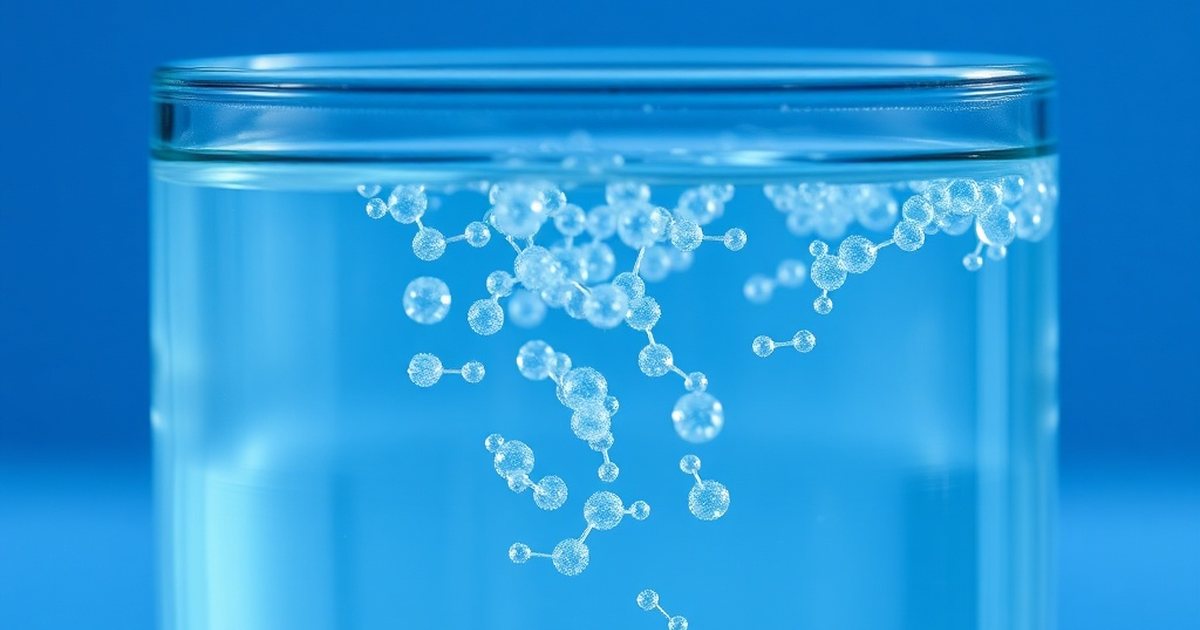
What makes H2 interesting to researchers is its size. Because it is the smallest known molecule, it can pass through cell membranes and reach compartments that many antioxidant compounds cannot — including mitochondria, the cell nucleus, and even the blood-brain barrier. The proposed mechanism under investigation is selective neutralization of the hydroxyl radical and peroxynitrite, two particularly reactive and damaging forms of oxidative stress, while leaving other reactive oxygen species intact. Those other species, at normal levels, serve important signaling roles; a supplement that wiped them all out indiscriminately would be counterproductive. The selectivity hypothesis is scientifically plausible, but it remains under active investigation and has not been definitively established in large human trials.

The Proposed Mechanism: Selective Antioxidant Activity
Standard antioxidants like vitamin C or vitamin E work by donating electrons broadly to neutralize free radicals. The concern with this approach at high doses is that it can interfere with redox signaling — the cellular messaging system that relies on controlled levels of reactive oxygen species to regulate immune response, cell growth, and stress adaptation. H2 researchers propose that hydrogen is more discriminating: because hydroxyl radicals and peroxynitrite are among the most cytotoxic reactive oxygen species (causing direct DNA damage and lipid peroxidation) and because they are not involved in beneficial signaling, neutralizing them selectively should reduce oxidative damage without disrupting normal cellular function.
This proposed mechanism is the foundation of the published research base. Investigators have examined H2 across metabolic, inflammatory, neurological, and exercise-recovery contexts. The trials are almost uniformly small — often fewer than 50 participants — short in duration, and conducted primarily in Japan, China, and South Korea. Results have been mixed and inconsistent across studies. This does not make the research worthless, but it does mean the mechanism remains a working hypothesis rather than an established scientific fact. A curious, skeptical posture is appropriate.
Delivery Methods Explained: Water, Tablets, Generators, and Gas
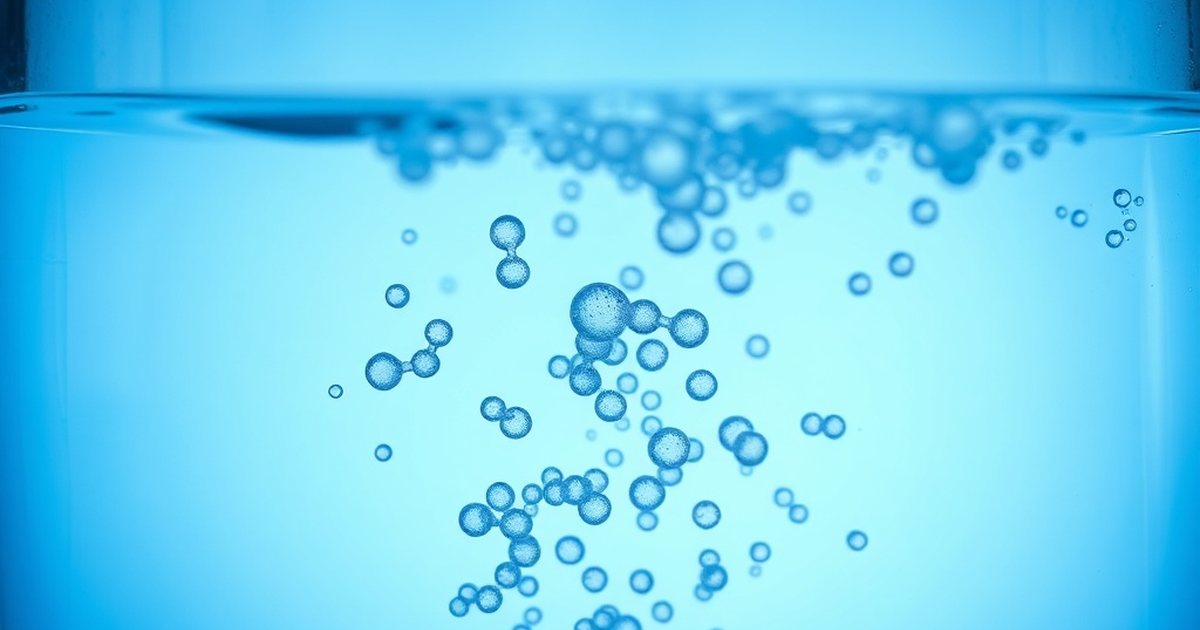
H2-enriched water is the most studied delivery format in published trials. It is ordinary water with dissolved molecular hydrogen gas at concentrations typically ranging from 0.5 to 1.6 parts per million (ppm), though some products claim higher. The gas dissipates quickly once the bottle or container is opened, which creates a practical problem: pre-bottled hydrogen water in plastic containers loses most of its H2 content by the time it reaches you. Aluminum pouches with minimal headspace retain concentration significantly better and are worth the premium if you choose this route.
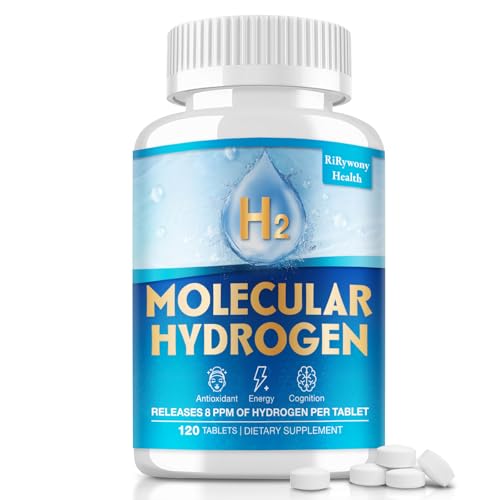
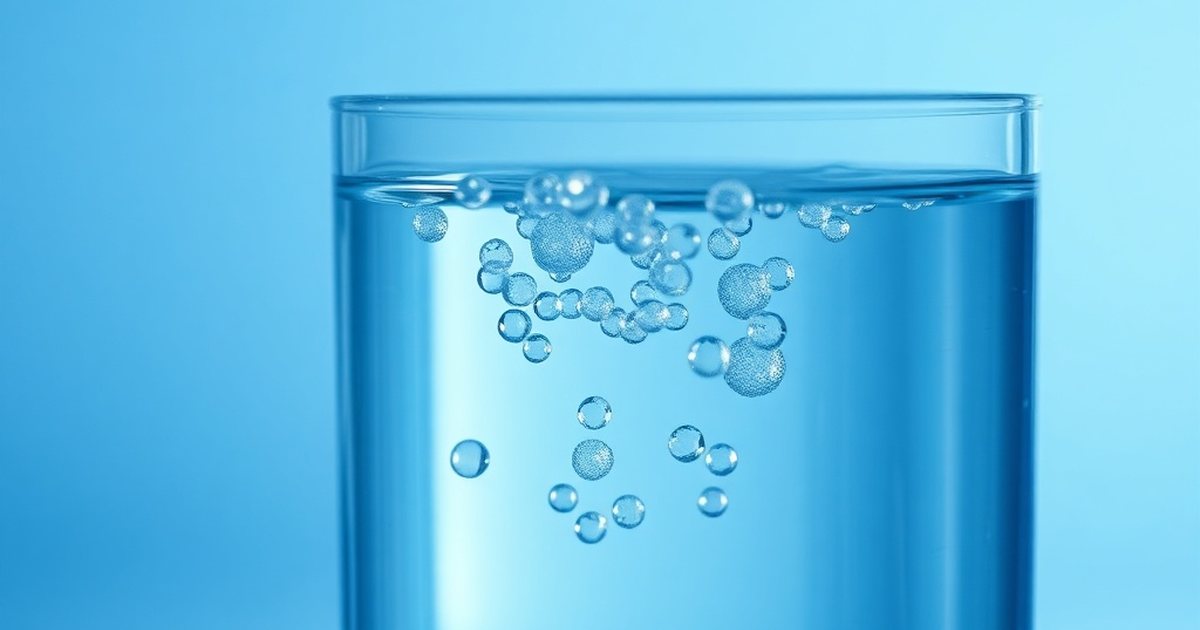
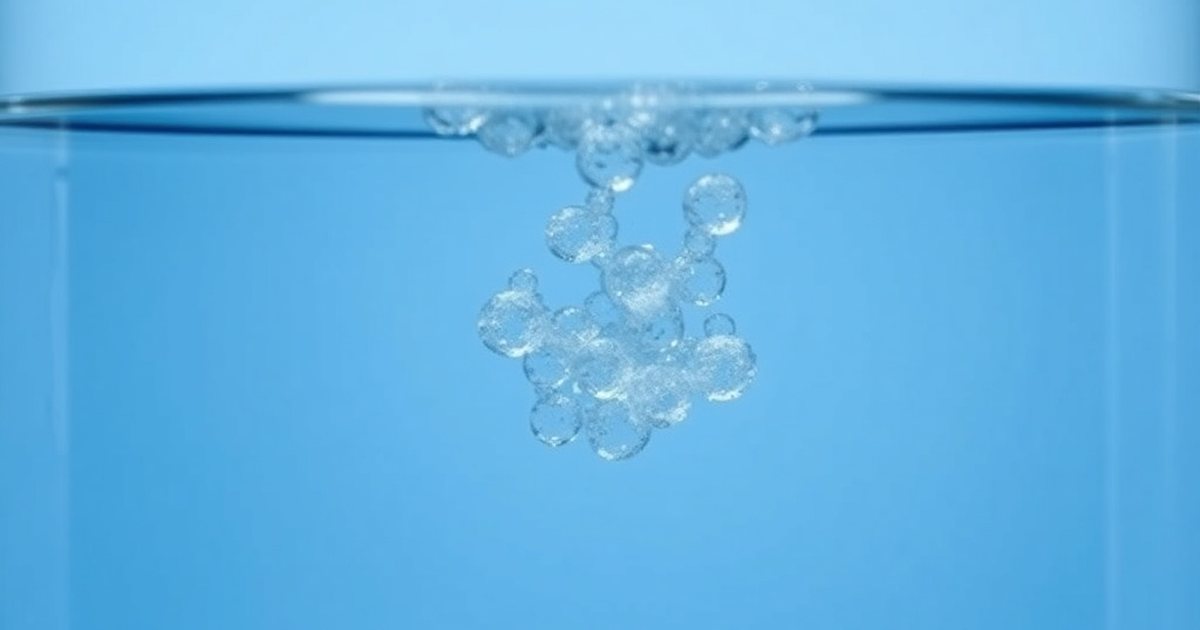
Effervescent hydrogen tablets are dropped into a glass of water immediately before drinking, generating H2 in situ. This sidesteps the dissipation problem and typically costs less per serving than pre-bottled water. Quality varies considerably between brands; look for tablets that produce vigorous, sustained bubbling and that list magnesium as an active ingredient, since most tablet-based H2 production relies on a reaction between magnesium and water. Electrolysis-based hydrogen water generators — devices that pass an electrical current through water to split H2O — can produce high-concentration H2 water on demand and represent the best cost-per-serving over time if you will use the approach for months, though the upfront cost is significant.
Hydrogen gas inhalation, used in some clinical research settings, delivers higher total doses than water can carry, but inhalation devices are expensive, require careful handling, and are far beyond what a beginner needs to explore. For anyone starting out, effervescent tablets or a quality aluminum-pouch hydrogen water product are the sensible entry points.
What the Research Landscape Looks Like Right Now
Peer-reviewed investigation into molecular hydrogen spans hundreds of papers, but the clinical evidence in humans is considerably thinner than the preclinical (cell and animal) literature. Domains that have received the most human trial attention include metabolic health markers, exercise-induced oxidative stress, inflammatory conditions, and neurological function. Most of these trials report some positive findings on secondary biomarkers — measures like malondialdehyde (a lipid peroxidation marker), superoxide dismutase activity, or inflammatory cytokines — rather than on hard clinical endpoints like hospitalization rates or disease incidence.
The foundational paper is a 2007 Nature Medicine report showing that hydrogen selectively quenches the hydroxyl radical while leaving physiologically useful reactive oxygen species intact, and that inhaled H2 reduced brain injury in a rat ischemia-reperfusion model[1]; the human work that followed is much smaller, such as an eight-week open-label pilot in 20 people with features of metabolic syndrome[2]. What can be said accurately is that the published literature, taken as a whole, is exploratory rather than confirmatory. Effect sizes in positive studies are generally modest. Replication across independent research groups is limited. Placebo-controlled design quality varies. For a supplement that is inexpensive and regarded as safe at studied doses, the risk-benefit calculation for a personal trial is reasonable — but the evidence does not yet support confident claims about what it will do for any individual.
How to Start Without Wasting Money
The single biggest money trap in the hydrogen space is premium pre-bottled hydrogen water in plastic bottles at a steep price per serving. The H2 concentration in many of these products by the time of consumption is negligible. If you buy pre-bottled water, choose aluminum foil pouches from a brand that publishes third-party concentration testing results, and consume within minutes of opening. Even then, you are paying a significant premium for convenience.
For a genuine low-cost trial, effervescent hydrogen tablets are the better starting point. A 30-day supply from a reputable brand typically costs a small fraction of that per serving (see Amazon for current pricing). Dissolve one tablet in 12 to 16 ounces of cool water in a covered glass or bottle, wait two to three minutes for the reaction to complete, and drink promptly. Do not use hot water, which accelerates off-gassing. Do not leave the container open. These simple steps preserve the H2 you paid for.

Give any trial at least four to six weeks before forming an opinion. Oxidative stress and inflammation are not parameters you can feel acutely shifting. If you want objective data, consider tracking a simple biomarker like high-sensitivity CRP or a lipid panel before and after — not because a single trial of one supplement is scientifically rigorous, but because it gives you personal data rather than relying entirely on manufacturer claims or anecdote. If you notice nothing of interest after six weeks and your goal was general wellness, it is reasonable to stop and redirect that budget elsewhere.
Reading Product Labels: What to Look For and What to Ignore
Look for products that list actual H2 concentration in parts per million (ppm) or milligrams per liter (mg/L) and that back this up with third-party lab testing. A concentration of at least 0.5 ppm is the minimum threshold that appears in most published studies; many reputable tablets and generators target 1.0 to 1.6 ppm or higher. Be skeptical of products that mention ‘ionized water,’ ‘alkaline hydrogen water,’ or pH as primary selling points — these are often marketing overlays on technology that produces only modest H2 concentration, and alkalinity itself has a separate and much weaker evidence base.
Ignore health claims on packaging entirely as a quality signal. Because H2 products are supplements, not drugs, any disease or treatment claim is a regulatory red flag regardless of how it is worded. The presence of dramatic testimonials or vague ‘detox’ language correlates with poor product quality more often than not. A company confident in its product’s H2 concentration will lead with that data; a company uncertain of its concentration will lead with stories.
🛒 Where to Buy Molecular Hydrogen
- Drink HRW Rejuvenation Molecular Hydrogen TabletsLab-tested / studied
tablets, 1 tablet per 500ml water — Research-grade effervescent tablet; developed with involvement from the Molecular Hydrogen Foundation; among the highest documented H2 output per tablet; frequently cited in community as the benchmark - Dr. Mercola Molecular Hydrogen Tablets
tablets, 2 tablets daily in water — Mass-market accessible entry point; wide distribution; uses magnesium as hydrogen carrier; good brand recognition for general wellness shoppers - Water & Wellness H2 Elite Molecular Hydrogen Tablets
tablets, 1 tablet per 16 oz water — Travel-friendly compact packaging; practical for daily carry; good entry-level tablet option for those new to H2 - Susosu Water Hydrogen-Infused Sparkling Water Pouches
liquid, 1 pouch (8 oz) — Ready-to-drink sealed aluminum pouches preserve dissolved H2; Japanese-origin brand; no dissolution required; convenient format for on-the-go use
As an Amazon Associate we earn from qualifying purchases. Molecular hydrogen quality comes down to dissolved H2 concentration, not price. Choose a product that states a specific ppm (mg/L) figure backed by third-party testing, and prefer airtight aluminum or sealed glass packaging — a vague high-concentration claim is unverifiable, and H2 escapes quickly from plastic and open containers.
A Note on the Evidence
The clinical evidence for molecular hydrogen supplements is early-stage, primarily from small trials outside the United States, and no health claims have been evaluated or approved by the FDA. Individuals with chronic medical conditions, those who are pregnant or breastfeeding, or anyone taking prescription medications should consult a qualified healthcare provider before use.
Frequently Asked Questions
Is molecular hydrogen water the same as alkaline water?
No. These are distinct products that are sometimes combined and frequently confused. Alkaline water has an elevated pH, achieved through ionization or mineral addition. Hydrogen water contains dissolved H2 gas, which may or may not be present in alkaline water depending on how it was produced. The research on molecular hydrogen centers on H2 gas concentration, not pH. Buying ‘alkaline hydrogen water’ without a stated H2 ppm level means you may be paying for pH elevation with little or no actual hydrogen content.
How much H2 should I be consuming per session?
Most human trials have used H2-enriched water in the range of 0.5 to 1.6 ppm, consumed as one to two liters per day. Published trials have used specific volumes: 900 mL per day for eight weeks in type 2 diabetes[3], 1.5 L per day for four weeks in healthy adults[4], and 0.5 L per day at 15 ppm for six months in adults over 70[5]. A single tablet dissolved in 12 to 16 ounces of water, consumed promptly, is a reasonable starting dose. There is no established optimal dose for general wellness in humans.
Are there any side effects or safety concerns?
At the concentrations present in hydrogen water or produced by effervescent tablets, H2 is broadly regarded as safe. It is a naturally occurring gas already present in trace amounts from gut fermentation. Molecular hydrogen at studied doses is not classified as a drug and has not produced notable adverse events in published trials. That said, anyone with a medical condition, those who are pregnant or nursing, and anyone taking medications should consult a physician before adding any supplement.
How long does it take for hydrogen water to lose its H2 content?
Dissipation rate depends on container type, temperature, and headspace. In an open glass at room temperature, measurable H2 drops significantly within 30 minutes. In a sealed plastic bottle, H2 permeates through the plastic wall and is largely gone within days to weeks. Aluminum foil pouches dramatically slow this process. The practical rule is: prepare it, seal it, and drink it within minutes of opening.
Can I make hydrogen water at home without buying a generator?
Effervescent tablets are the lowest-barrier home option and do not require any equipment beyond a glass or bottle. Electrolysis generators produce high-concentration H2 water on demand and have a better cost-per-serving profile over time, but involve a substantial upfront investment. There is no reliable DIY method that produces meaningful H2 concentration without either tablets or a purpose-built device.
Should I drink hydrogen water on an empty stomach or with food?
Most published trials do not standardize this variable precisely, and no consensus recommendation exists. Because H2 dissipates from water quickly, consuming it promptly after preparation — regardless of meal timing — is more important than whether you have eaten. Some researchers suggest morning consumption on an empty stomach for practical convenience, but this is a convention rather than an evidence-based protocol.
References
- Ohsawa I et al. Hydrogen acts as a therapeutic antioxidant by selectively reducing cytotoxic oxygen radicals. Nat Med (2007). PMID 17486089
- Nakao A et al. Effectiveness of hydrogen rich water on antioxidant status of subjects with potential metabolic syndrome-an open label pilot study. J Clin Biochem Nutr (2010). PMID 20216947
- Kajiyama S et al. Supplementation of hydrogen-rich water improves lipid and glucose metabolism in patients with type 2 diabetes or impaired glucose tolerance. Nutrition Research (2008). PMID 19083400
- Sim M et al. Hydrogen-rich water reduces inflammatory responses and prevents apoptosis of peripheral blood cells in healthy adults: a randomized, double-blind, controlled trial. Scientific Reports (2020). PMID 32699287
- Zanini D et al. The effects of 6-month hydrogen-rich water intake on molecular and phenotypic biomarkers of aging in older adults aged 70 years and over: a randomized controlled pilot trial. Experimental Gerontology (2021). PMID 34601077
These statements have not been evaluated by the Food and Drug Administration. This information is not intended to diagnose, treat, cure, or prevent any disease. Content is for informational purposes only and is not medical advice; consult a qualified healthcare provider before starting any supplement. As an Amazon Associate we earn from qualifying purchases.
