Molecular hydrogen (H2) tablets have moved from specialty health shops into mainstream online retail, and a growing number of options now sit below the $50 mark. For anyone curious about H2-enriched water without a large upfront commitment, that price range is an obvious entry point. The challenge is that the category spans a wide quality spectrum, and marketing language in this space tends to run well ahead of the evidence.
This guide is written for practical, skeptical shoppers. It explains what hydrogen tablets are supposed to do at a mechanistic level, which product characteristics actually matter for a budget buy, and what honest expectations look like given that most human research on molecular hydrogen is still early-stage, conducted in relatively small trials, and concentrated in Japanese and East Asian clinical literature. Any claim you see elsewhere attributing dramatic outcomes to H2 tablets should be read with that same caution.
Key Takeaways
- Hydrogen tablets work by dissolving in water to generate molecular H2, proposed to selectively neutralize highly cytotoxic reactive oxygen species — an active but early-stage area of research.
- Under-$50 options involve real trade-offs: lower or less-documented H2 concentrations and lighter quality control are common; they can still be worth trying as a low-commitment entry point.
- Drink H2 water within 10–15 minutes of dissolution in a sealed, low-headspace container using cold or room-temperature water to preserve dissolved H2.
- Most human trials on H2 water are small, short-term, and conducted outside the US — efficacy claims should be treated as preliminary, not established.
- No H2 tablet at any price point should be used to treat or manage a medical condition; this is a general wellness product in an early-evidence category.
What Hydrogen Tablets Are and How They Are Supposed to Work
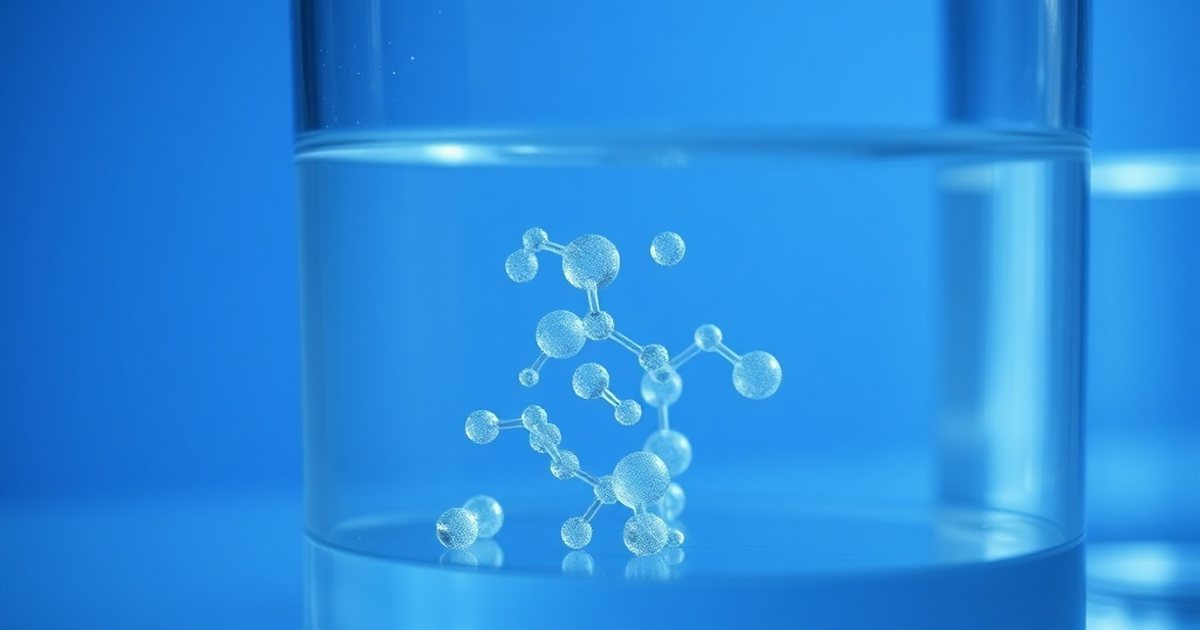
A hydrogen tablet is an effervescent product designed to dissolve in a glass of water and generate dissolved molecular hydrogen gas (H2). The tablet typically contains a hydrogen-producing compound — most commonly magnesium metal or magnesium hydride — along with an acid source such as malic or citric acid and a buffering agent. When the tablet hits water, a chemical reaction releases H2 gas, which dissolves into the water up to its saturation point at normal atmospheric pressure.
The proposed mechanism behind H2 supplementation centers on selectivity. Molecular hydrogen is theorized to act as an antioxidant that preferentially neutralizes the most cytotoxic reactive oxygen species — particularly the hydroxyl radical (•OH) and peroxynitrite (ONOO⁻) — while leaving less aggressive ROS, which play important roles in cellular signaling, largely undisturbed. This selectivity hypothesis is what distinguishes H2 from broad-spectrum antioxidant supplements and is the subject of ongoing mechanistic research. It is an active area of investigation, not established clinical doctrine, and the degree to which dissolved H2 in drinking water translates this chemistry into meaningful physiological effects in healthy adults remains an open question.

Why Price Varies So Much — and What Actually Drives Cost
H2 tablets can retail anywhere from budget prices for a tube of 60 to many times that for premium formulations. The core ingredient — magnesium or magnesium hydride — is inexpensive at commodity scale, so raw material cost alone does not explain premium pricing. What can legitimately justify higher prices includes: the purity and particle size of the hydrogen-generating compound (which affects reaction efficiency), the concentration of H2 actually dissolved in water at the moment of consumption, third-party testing for heavy metals and contaminants, and packaging quality that prevents moisture exposure during storage.
At the budget end of the market, the most common compromises are: lower dissolved H2 concentrations (often unstated or measured under optimistic conditions), tablet formulations that may contain fillers that slow or reduce the reaction, and less rigorous quality control documentation. None of these compromises makes a budget tablet useless, but they do mean you are likely getting less dissolved H2 per serving than premium products advertise. For someone testing whether H2 water agrees with them before committing to a larger purchase, that trade-off is often acceptable.
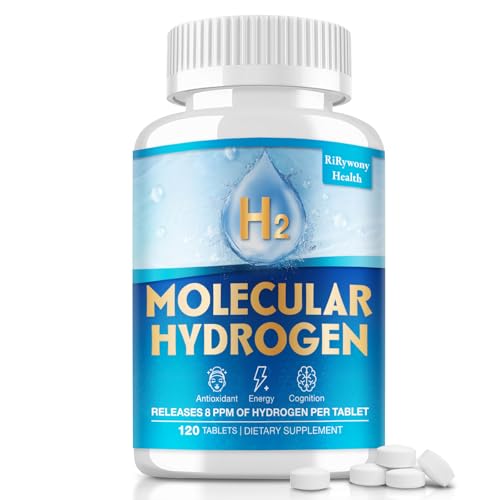
Key Quality Markers to Check Before You Buy
Dissolved H2 concentration is the single most important specification. It is measured in parts per million (ppm) or milligrams per liter (mg/L) — the two are numerically equivalent for H2 in water. A tablet dissolving into 8–12 ounces of water and producing 1.0–1.6 ppm H2 is a reasonable baseline for the budget category. Be skeptical of products that list H2 concentration without specifying the water volume used or that cite lab figures measured immediately after dissolution in sealed vessels, since dissolved H2 dissipates quickly once a container is open.
Magnesium content matters both for H2 yield and for the incidental mineral intake. Many H2 tablets deliver 40–80 mg of elemental magnesium per serving as a byproduct of the reaction. This is nutritionally relevant — it can contribute meaningfully toward the adult RDA of 310–420 mg — but it also means H2 water is not inert if you are watching magnesium intake for medical reasons.
Third-party testing documentation and a clear manufacturer address or certificate of analysis (COA) on request are reasonable bars for any supplement, including budget options. Products that cannot produce any independent testing record should be treated as higher risk regardless of price. Within the under-$50 bracket, look for brands that at least disclose their country of manufacture and list a lot number on the tube, which indicates batch traceability.
Practical Use: Getting the Most From a Budget Tablet
Consumption timing matters more for hydrogen water than for most supplements because dissolved H2 is volatile. Drink H2-enriched water within 10–15 minutes of full tablet dissolution. Using a sealed container — ideally one with minimal headspace — slows off-gassing and preserves more dissolved H2 until you drink it. Wide-open glasses or large containers with significant air space above the water will lose measurable H2 within minutes.
Water temperature affects the reaction. Cooler water retains dissolved gases more effectively than warm or hot water, so using cold or room-temperature water rather than warm water will generally yield better H2 retention. Avoid carbonated water as a base, since the dissolved CO2 can interfere with tablet dissolution and pH balance.
A standard protocol in most research contexts has been one to two servings per day, consumed consistently over a period of weeks. The 2010 metabolic-syndrome pilot, for example, ran for eight weeks[1]. That pattern reflects the broader H2 literature rather than an outcome demonstrated for any particular product. Starting with one tablet per day and assessing personal tolerance is a sensible approach for new users.
What the Evidence Does and Does Not Say About H2 Water
Molecular hydrogen research is genuinely interesting and scientifically credible at the mechanistic level — the chemistry of H2 reacting selectively with highly reactive radicals is well-documented in vitro. Human clinical trials have been conducted across metabolic conditions, exercise recovery, inflammatory markers, and neurological contexts, predominantly in Japan. The honest characterization of this literature is that most trials are small (often under 50 participants), short in duration (weeks to a few months), not always placebo-controlled in a rigorous double-blind fashion, and not yet replicated at scale in Western populations.

For a budget product purchased for general wellness purposes, the practical implication of this evidence profile is straightforward: there is no established clinical outcome you can reliably expect, and no budget tablet should be positioned as a treatment for any condition. What a user in good health might reasonably explore is whether H2-enriched water fits into a broader wellness routine with a tolerable cost and no meaningful safety concern at studied doses. That is a reasonable, evidence-consistent framing. It is a significant distance from the cure-adjacent language that appears on some product pages.
Realistic Expectations and How to Evaluate Whether a Product Is Working for You
Unlike supplements with measurable biomarkers that respond quickly — creatine and muscle phosphocreatine, for instance — H2 water does not have a consumer-accessible metric that tells you whether the dissolved hydrogen is reaching tissues or doing anything at the cellular level. You cannot test your hydroxyl radical scavenging capacity at home. This is an honest limitation of the product category, not a reason to dismiss it, but it does mean personal experience is a weak signal.
Subjective outcomes that some users report — improved recovery after physical exertion, reduced sense of fatigue, or better sleep — are difficult to attribute to H2 without controlled conditions, and placebo response in wellness categories is substantial. The most intellectually honest approach is to use a budget option consistently for 4–6 weeks, keep other variables as stable as possible, and assess whether the product fits your routine and budget before committing to higher-cost alternatives. If you notice nothing of value after consistent use, that is a legitimate data point, not a failure on your part.
🛒 Where to Buy Molecular Hydrogen
- Drink HRW Rejuvenation Molecular Hydrogen TabletsLab-tested / studied
tablets, 1 tablet per 500ml water — Research-grade effervescent tablet; developed with involvement from the Molecular Hydrogen Foundation; among the highest documented H2 output per tablet; frequently cited in community as the benchmark - Dr. Mercola Molecular Hydrogen Tablets
tablets, 2 tablets daily in water — Mass-market accessible entry point; wide distribution; uses magnesium as hydrogen carrier; good brand recognition for general wellness shoppers - Water & Wellness H2 Elite Molecular Hydrogen Tablets
tablets, 1 tablet per 16 oz water — Travel-friendly compact packaging; practical for daily carry; good entry-level tablet option for those new to H2 - Susosu Water Hydrogen-Infused Sparkling Water Pouches
liquid, 1 pouch (8 oz) — Ready-to-drink sealed aluminum pouches preserve dissolved H2; Japanese-origin brand; no dissolution required; convenient format for on-the-go use
As an Amazon Associate we earn from qualifying purchases. Molecular hydrogen quality comes down to dissolved H2 concentration, not price. Choose a product that states a specific ppm (mg/L) figure backed by third-party testing, and prefer airtight aluminum or sealed glass packaging — a vague high-concentration claim is unverifiable, and H2 escapes quickly from plastic and open containers.
A Note on the Evidence
The evidence base for molecular hydrogen supplementation is early-stage — most published trials are small, short-duration, and not yet replicated at scale; no efficacy claim should be treated as established. Individuals with kidney disease, those on medications affecting mineral metabolism, or anyone managing a chronic health condition should consult a qualified healthcare provider before adding H2 tablets to their routine.
Frequently Asked Questions
How much dissolved H2 should a budget tablet produce?
A reasonable target for the under-$50 category is 1.0–1.6 ppm (mg/L) dissolved H2 when the tablet is used in 8–12 oz of water and consumed promptly. Many budget products do not clearly specify this figure or test under idealized conditions, so treat stated concentrations as approximate rather than guaranteed minimums.
Is it safe to take hydrogen tablets every day?
At doses studied in published research, molecular hydrogen consumed as H2-enriched water has not been associated with adverse effects in healthy adults. Most protocols involve one to two servings daily over weeks. Because many tablets also supply 40–80 mg of magnesium per serving, individuals with kidney disease or those on medications that affect magnesium metabolism should consult a physician before regular use.
Do budget hydrogen tablets work as well as expensive ones?
Not necessarily. Premium products often provide higher verified H2 concentrations, better packaging to prevent moisture degradation, and more thorough third-party testing. Budget options are a reasonable starting point but may deliver less dissolved H2 per serving. If cost is not a barrier after initial testing, moving to a better-documented product is a logical next step.
How quickly does dissolved H2 disappear from water?
Dissolved H2 begins escaping the moment a container is opened. In an open glass, measurable H2 can be substantially diminished within 15–30 minutes depending on temperature, agitation, and surface area. Using a sealed bottle with minimal headspace and drinking promptly after dissolution gives you the best chance of consuming meaningful H2 concentrations.
Can I use tap water with hydrogen tablets?
Yes. Tap water is the most common preparation base. Heavily chlorinated water can slightly affect tablet dissolution speed, and very alkaline or mineral-dense tap water may alter the reaction, but for most household tap water these are minor practical concerns. Filtered or spring water is a common preference but not a requirement.
What conditions is molecular hydrogen research focused on?
Published H2 research spans metabolic markers, exercise recovery, inflammatory indicators, and neurological contexts. The evidence is preliminary across all areas — small trials, mostly from Japan, with limited replication. No clinical application has been established to a standard that would satisfy major Western regulatory or medical bodies. All claims about H2 and health conditions should be read as exploratory.
References
- Nakao A et al. Effectiveness of hydrogen rich water on antioxidant status of subjects with potential metabolic syndrome-an open label pilot study. J Clin Biochem Nutr (2010). PMID 20216947
These statements have not been evaluated by the Food and Drug Administration. This information is not intended to diagnose, treat, cure, or prevent any disease. Content is for informational purposes only and is not medical advice; consult a qualified healthcare provider before starting any supplement. As an Amazon Associate we earn from qualifying purchases.
