In the evolving landscape of health optimization, the pursuit of compounds that can mitigate cellular stress and enhance physiological function is relentless. We’re constantly bombarded with new supplements, ancient remedies repackaged, and biohacking protocols promising everything from enhanced athletic performance to extended longevity. But how do we discern genuine scientific promise from marketing hype, especially when a contender like molecular hydrogen (H2) enters the arena, seemingly defying conventional biochemical wisdom?
The question isn’t just “Does molecular hydrogen work?” but rather, “How does it stack up against the established heavy hitters and the emerging contenders in the antioxidant and anti-inflammatory space?” For the discerning biohacker, the longevity enthusiast, and the athlete meticulously optimizing recovery, a deeper, evidence-based comparison is essential before committing to a new regimen.
FTC Disclosure: Please note that this article may contain affiliate links. If you make a purchase through these links, MolecularHydrogenHub may earn a commission at no extra cost to you. We only recommend products we believe are of high quality and relevant to our readers.
The Unique Mechanism of Molecular Hydrogen: Precision Over Potency
Before comparing H2 to other compounds, it’s crucial to understand its distinctive mechanism. Unlike conventional antioxidants such as Vitamin C or E, which broadly neutralize various reactive oxygen species (ROS), molecular hydrogen exhibits selective antioxidant properties.
Research, much of which gained momentum following the groundbreaking 2007 Nature Medicine paper by Ohsawa et al., suggests H2 specifically targets highly cytotoxic ROS like hydroxyl radicals (•OH) and peroxynitrite (ONOO⁻). It leaves beneficial signaling ROS, which are crucial for immune function and cellular adaptation, largely untouched. This precision is a significant differentiator.
Beyond its antioxidant role, H2 also appears to modulate cell signaling pathways, influencing gene expression related to inflammation and cellular protection. Studies indicate it can activate the Nrf2 pathway, a master regulator of endogenous antioxidant defenses, and suppress pro-inflammatory cytokines such as TNF-α and IL-6. This dual action of direct scavenging and cellular modulation positions H2 uniquely in the therapeutic landscape.
Molecular Hydrogen vs. Traditional Antioxidants (Vitamins C, E, Glutathione)
Traditional antioxidants are the bedrock of our understanding of free radical biology. Vitamin C is a water-soluble scavenger, and Vitamin E is lipid-soluble, protecting cell membranes. Glutathione, often called the “master antioxidant,” is endogenously produced and critical for detoxification.
While these compounds are indispensable, their broad-spectrum scavenging can sometimes be a double-edged sword. Over-supplementation, particularly with high-dose exogenous antioxidants, has occasionally been linked to interference with beneficial oxidative signaling. For example, some studies in athletes have shown high-dose Vitamin C and E can blunt training adaptations by interfering with ROS-mediated signaling pathways necessary for mitochondrial biogenesis.
Molecular hydrogen, with its selective targeting of only the most damaging radicals, theoretically avoids this pitfall. Its small size and neutral charge also allow it to easily cross biological membranes, including the blood-brain barrier, reaching intracellular compartments that larger, charged molecules may struggle to access. This superior bioavailability is a key advantage.
H2 and Nrf2 Activators (Sulforaphane, Curcumin, Resveratrol)
A more sophisticated approach to enhancing antioxidant capacity involves activating endogenous pathways, primarily the Nrf2 pathway. Compounds like sulforaphane (from broccoli sprouts), curcumin (from turmeric), and resveratrol (from grapes) are well-researched Nrf2 activators.
These compounds work by signaling the cell to produce its own powerful antioxidants and detoxifying enzymes, such as glutathione peroxidase and superoxide dismutase. This is a highly effective strategy for long-term cellular protection.
Interestingly, H2 has also been shown to activate Nrf2. This suggests a potential synergistic relationship or an alternative mechanism for achieving similar outcomes. While sulforaphane, for instance, has robust evidence for Nrf2 activation, H2’s additional direct scavenging capabilities offer a distinct, immediate benefit. The question for biohackers becomes whether combining these approaches offers greater benefits or if H2 alone provides a sufficiently robust Nrf2 upregulation.
Molecular Hydrogen in Athletic Recovery and Performance: A Comparison
For athletes, recovery and reducing exercise-induced oxidative stress and inflammation are paramount. Many turn to BCAAs, creatine, and specific anti-inflammatory supplements like omega-3 fatty acids or tart cherry juice.
Studies from Japan and elsewhere have explored H2’s role in this context. A 2012 pilot study in Medical Gas Research, for example, gave ten male soccer players hydrogen-rich water or placebo water in a double-blind crossover design and found that the hydrogen arm blunted the rise in blood lactate after 30 minutes of cycling and delayed the drop in peak torque during the early phase of repeated maximal knee extensions[1]. Markers of oxidative injury and creatine kinase did not differ between the arms, and with ten participants this is a preliminary signal rather than an established performance benefit. Other research suggests H2 may reduce lactate accumulation and perceived exertion, potentially enhancing endurance and accelerating recovery from muscle damage.

Compared to BCAAs, which primarily support muscle protein synthesis, or creatine, which aids ATP regeneration, H2 addresses a different facet: the systemic oxidative stress and inflammation that impede recovery. While omega-3s are potent anti-inflammatories, H2’s rapid diffusion and selective antioxidant action offer a unique, immediate intervention for post-exercise cellular stress. It’s not necessarily a replacement but a complementary tool.
Addressing Chronic Fatigue and Inflammation: H2 vs. Other Modulators
Chronic fatigue and inflammatory conditions are complex, often involving mitochondrial dysfunction and persistent oxidative stress. Therapies range from adaptogens like Ashwagandha to mitochondrial support compounds like CoQ10 and PQQ, and broad-spectrum anti-inflammatories.
Preliminary human studies, though often small in sample size, have indicated potential benefits of H2. The picture here is more mixed than it is often presented. A 2011 Medical Gas Research trial of hydrogen-enriched water in patients with mitochondrial and inflammatory myopathies reported no objective improvement in clinical symptoms in either its open-label or its placebo-controlled crossover arm; what it did find were biochemical changes, including a significant fall in lactate in the mitochondrial myopathy group[2]. A separate 2010 open-label pilot in the Journal of Clinical Biochemistry and Nutrition studied 20 people with features of metabolic syndrome rather than myopathy, and reported a 39% rise in superoxide dismutase and a 43% fall in urinary oxidative-stress markers, with no change in fasting glucose[3]. The proposed mechanism involves H2’s ability to reduce oxidative stress at the mitochondrial level, potentially improving energy production efficiency.
This contrasts with CoQ10, which is a vital component of the electron transport chain, or PQQ, which promotes mitochondrial biogenesis. H2 doesn’t directly provide energy or build new mitochondria; instead, it may optimize the existing machinery by reducing the oxidative “noise” that impairs its function. For chronic inflammation, H2’s modulation of inflammatory cytokines offers a different angle than, for example, high-dose NSAIDs, which carry significant side effects with long-term use.
The Japanese Clinical Tradition and H2 Research
Japan has been at the forefront of molecular hydrogen research, with a notable clinical tradition that embraces novel therapeutic gases. This isn’t surprising given their historical openness to innovative medical approaches, often with a focus on preventative health and quality of life.
The 2007 Nature Medicine paper by Ohsawa et al., which demonstrated H2’s neuroprotective effects in a stroke model, catalyzed much of the global interest. Since then, Japanese researchers have published extensively on H2’s potential in various conditions, from Parkinson’s disease to metabolic syndrome and even radiation injury. While these studies provide a robust foundation, it’s important to approach them with the same scientific rigor as any other research.
Many early human trials, particularly from Japan, are often pilot studies or proof-of-concept investigations with limited participant numbers. While promising, these findings warrant larger, multi-center, placebo-controlled trials to confirm efficacy and determine optimal dosages and administration methods. The enthusiasm is merited, but the scientific process demands continued validation.
Comparison Table: Molecular Hydrogen vs. Key Alternatives
| Feature | Molecular Hydrogen (H2) | Vitamin C & E | Glutathione | Nrf2 Activators (e.g., Sulforaphane) | Omega-3 Fatty Acids |
|---|---|---|---|---|---|
| Primary Mechanism | Selective antioxidant (targets •OH, ONOO⁻), cell signaling modulator (Nrf2 activation, anti-inflammatory) | Broad-spectrum antioxidant (water & lipid soluble) | Master endogenous antioxidant, detoxification | Upregulates endogenous antioxidant & detox enzymes via Nrf2 pathway | Anti-inflammatory (modulates eicosanoid production) |
| Bioavailability/Penetration | Extremely high (small size, neutral charge, crosses BBB easily) | Variable, depends on form & dosage; limited BBB crossing | Poor oral bioavailability (unless liposomal/precursors) | Good, often requires enzymatic conversion (e.g., myrosinase for sulforaphane) | Good, incorporated into cell membranes |
| Selectivity | Highly selective (targets only harmful ROS) | Non-selective (scavenges beneficial & harmful ROS) | Non-selective (scavenges beneficial & harmful ROS) | Indirectly selective (enhances endogenous systems) | Indirectly selective (reduces pro-inflammatory mediators) |
| Key Benefits (Evidenced) | Reduced oxidative stress, anti-inflammatory, neuroprotection, improved athletic recovery, potential mitochondrial support | Immune support, collagen synthesis, cell protection | Detoxification, immune function, cellular protection | Long-term cellular protection, detoxification, anti-carcinogenic potential | Reduced systemic inflammation, cardiovascular health, brain health |
| Limitations/Considerations | Relatively new field, more large-scale human trials needed; requires specific delivery methods | High doses can interfere with beneficial ROS signaling; potential for pro-oxidant effects in specific conditions | Poor oral absorption; high cost for effective forms | Can have strong taste/smell; individual variability in response | Can increase bleeding risk at high doses; quality varies greatly |
Sourcing Molecular Hydrogen: What to Look For
If you’re considering integrating molecular hydrogen into your regimen, the delivery method is crucial for efficacy. H2 is a gas, so it must be dissolved into a medium or generated on demand.

When searching for products, focus on those that reliably deliver therapeutic concentrations. For molecular hydrogen water bottles, look for models that use SPE/PEM (Solid Polymer Electrolyte/Proton Exchange Membrane) technology to separate hydrogen from oxygen, ensuring pure H2 infusion and avoiding ozone or chlorine byproducts. Consider bottles that can achieve at least 1.0 ppm (parts per million) H2 concentration, with higher concentrations being generally more desirable.
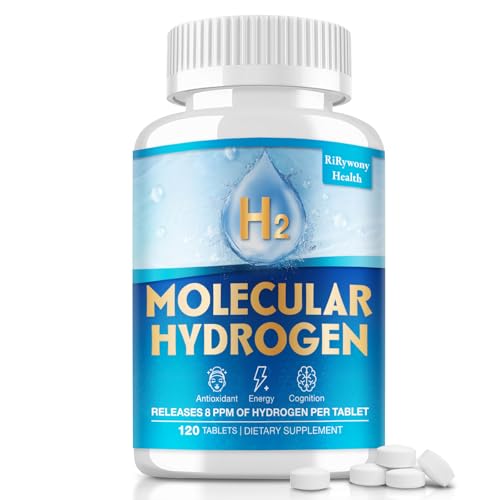
For hydrogen tablets for water, check the stated H2 concentration they can achieve in a typical glass of water. These tablets typically contain magnesium and other reactive elements that create H2 when dissolved. Ensure the product specifies a minimum H2 concentration and duration of gas retention. For inhalation, hydrogen inhalation machines should clearly state the flow rate (mL/min) and the H2 percentage in the gas mixture.
Conclusion: H2 as a Distinctive Biohacking Tool
Molecular hydrogen isn’t a panacea, nor is it a direct replacement for foundational health practices or established supplements. Instead, it presents itself as a distinctive and highly promising biohacking tool. Its unique selective antioxidant mechanism, superior bioavailability, and dual action of direct scavenging and cell signaling modulation set it apart from traditional antioxidants and even advanced Nrf2 activators.
While the field is still relatively young, particularly concerning large-scale human trials, the consistent positive outcomes in a wide range of preclinical and pilot human studies, many originating from the rigorous Japanese research tradition, warrant serious consideration. For the discerning individual committed to optimizing health, longevity, and performance, molecular hydrogen offers a novel pathway to mitigate cellular stress and enhance physiological resilience, meriting its place in the evolving toolkit of modern wellness.
Frequently Asked Questions (FAQ)
What is molecular hydrogen (H2)?
Molecular hydrogen is the simplest and smallest molecule, composed of two hydrogen atoms. It acts as a selective antioxidant and cell signaling modulator in biological systems.
How does molecular hydrogen work differently from other antioxidants?
Unlike broad-spectrum antioxidants, H2 selectively targets only the most harmful reactive oxygen species (like hydroxyl radicals) while leaving beneficial signaling molecules untouched. It also modulates cell signaling pathways, activating endogenous antioxidant systems.
Is molecular hydrogen safe?
Yes, molecular hydrogen is generally considered safe. It is non-toxic, and excess H2 is simply exhaled. No significant adverse effects have been reported in human studies at therapeutic concentrations.
What are the common ways to consume molecular hydrogen?
The most common methods are drinking hydrogen-rich water (from H2 water bottles or tablets), inhaling H2 gas, or topical application via H2 baths or creams. Each method has specific applications and benefits.
Can molecular hydrogen replace my current supplements?
Molecular hydrogen is generally seen as a complementary supplement, not a replacement. Its unique mechanisms can enhance the effects of other beneficial compounds or address aspects of cellular health that other supplements do not. Always consult with a healthcare professional before making significant changes to your supplement regimen.
Are studies on molecular hydrogen reliable?
Many studies, particularly preclinical and early human trials, show promising results. However, the field is relatively new, and more large-scale, placebo-controlled human trials are needed to confirm efficacy and establish optimal dosages for various conditions. The body of evidence is growing rapidly.
References
- Aoki K et al. Pilot study: Effects of drinking hydrogen-rich water on muscle fatigue caused by acute exercise in elite athletes. Med Gas Res (2012). PMID 22520831
- Ito M et al. Open-label trial and randomized, double-blind, placebo-controlled, crossover trial of hydrogen-enriched water for mitochondrial and inflammatory myopathies. Med Gas Res (2011). PMID 22146674
- Nakao A et al. Effectiveness of hydrogen rich water on antioxidant status of subjects with potential metabolic syndrome-an open label pilot study. J Clin Biochem Nutr (2010). PMID 20216947
These statements have not been evaluated by the FDA. This product is not intended to diagnose, treat, cure, or prevent any disease.
These statements have not been evaluated by the Food and Drug Administration. This information is not intended to diagnose, treat, cure, or prevent any disease. Content is for informational purposes only and is not medical advice; consult a qualified healthcare provider before starting any supplement. As an Amazon Associate we earn from qualifying purchases.
