Hydrogen water — water infused with dissolved molecular hydrogen gas (H2) — has attracted growing research interest as a potential dietary approach to influencing cardiovascular metabolic markers. The theoretical basis centers on H2’s proposed role as a selective antioxidant: rather than quenching reactive oxygen species indiscriminately, molecular hydrogen is hypothesized to preferentially neutralize the most cytotoxic species, particularly the hydroxyl radical and peroxynitrite, while leaving beneficial redox signaling intact. This selectivity is what distinguishes it mechanistically from conventional antioxidant supplements.
Cardiovascular disease involves a complex web of contributing factors — among them oxidized lipids, dysfunctional endothelial cells, chronic low-grade inflammation, and mitochondrial stress. Because oxidative stress threads through many of these pathways, researchers have begun exploring whether H2 might influence cardiovascular risk markers. The evidence is still early, primarily from small Asian trials, and no established treatment claims can be made. What follows is an honest look at what the current research suggests and where meaningful gaps remain.
Key Takeaways
- A 2026 meta-analysis found that hydrogen-rich water was associated with favorable changes in LDL, total cholesterol, and triglycerides in adults with overweight or obesity and metabolic disorders — though the authors considered the evidence preliminary [1].
- H2’s proposed cardiovascular relevance centers on selectively neutralizing highly cytotoxic free radicals, potentially reducing LDL oxidation and lipid peroxidation in vascular tissue without disrupting beneficial redox signaling.
- Cell-based research suggests H2 can mitigate fatty acid peroxidation and protect mitochondrial function under oxidative stress [2], but these findings have not been confirmed in large human cardiovascular trials.
- Most hydrogen water cardiovascular trials are small, short, and conducted outside the US; current findings are exploratory signals, not established clinical evidence.
- Hydrogen water is not a treatment for heart disease or high cholesterol — anyone managing cardiovascular risk should do so under the guidance of a healthcare provider.
What a Recent Meta-Analysis Found on Lipid Profiles
The most direct evidence on hydrogen water and cholesterol comes from a 2026 systematic review and meta-analysis that pooled data from randomized controlled trials examining hydrogen-rich water interventions in adults with overweight or obesity and associated metabolic disorders. Researchers found that H2-rich water was associated with measurable changes in lipid profile markers — including reductions in total cholesterol, LDL cholesterol, and triglycerides, along with increases in HDL cholesterol in some analyses [1].
However, the authors were careful to characterize these findings as preliminary. The included trials were generally small, varied considerably in dosing protocol and intervention duration, and were conducted predominantly in East Asian populations. The meta-analysis provides a signal worth continued investigation but should not be interpreted as confirming that hydrogen water reliably treats elevated cholesterol. Effect sizes were mixed across studies, and the field lacks large, long-duration, geographically diverse trials needed to draw firm conclusions [1].
Oxidative Stress as a Link Between Free Radicals and Heart Disease
Understanding why hydrogen water might interact with cardiovascular risk markers requires some grounding in the role of oxidative stress in heart disease. Free radicals — highly reactive molecules generated during normal metabolism and amplified by inflammation, environmental exposures, and other stressors — can damage lipids, proteins, and DNA when they accumulate beyond the body’s antioxidant capacity. The connection between excess free radical activity and chronic disease, including cardiovascular conditions, has been a subject of research for decades [3].
Molecular hydrogen’s proposed cardiovascular relevance stems partly from this framework. Because it targets only the most damaging reactive species rather than all oxidants, H2 may reduce harmful oxidation in vascular tissue without interfering with redox-dependent processes the body depends on — such as immune signaling and cellular repair. This selectivity is a key part of why researchers view it differently from conventional broad-spectrum antioxidant supplements, though the mechanistic picture in humans remains incomplete.
LDL Oxidation: Why Oxidized Cholesterol May Be the More Important Story
Total LDL cholesterol is only part of the cardiovascular risk picture. Researchers have long recognized that oxidized LDL — rather than circulating LDL concentration alone — plays a central role in atherosclerotic plaque development. When LDL particles in the arterial wall are oxidized by reactive oxygen species, they are more readily taken up by macrophages, contributing to foam cell formation and the inflammatory cascade underlying plaque buildup.
One complicating factor for antioxidant-based cardiovascular strategies is that many antioxidant compounds appear to inhibit LDL oxidation less effectively at the acidic pH found in lysosomes — the cellular compartments where a significant portion of LDL processing occurs [4]. This has been proposed as a partial explanation for why some large antioxidant supplementation trials failed to produce anticipated cardiovascular benefits. Whether H2’s small molecular size and membrane permeability allow it to act in compartments where larger antioxidants are less effective has not yet been directly studied in human cardiovascular trials, but remains a point of theoretical interest.

Endothelial Redox Balance and Lipid Peroxidation in Vascular Tissue
The endothelium — the single-cell layer lining blood vessels — plays a critical role in vascular health, regulating blood pressure, inflammation, and the permeability of the arterial wall. Maintaining redox balance within endothelial cells is essential to their function. Research on shear stress, the mechanical force that flowing blood exerts on vessel walls, has shown that this physical stimulus is coupled to enzymatic systems that help preserve endothelial redox equilibrium and limit membrane lipid peroxidation [5].
Lipid peroxidation — the oxidative breakdown of polyunsaturated fatty acids in cell membranes — is one of the mechanisms by which oxidative stress damages vascular tissue and may contribute to arterial dysfunction over time. Cell-based research has shown that molecular hydrogen can mitigate fatty acid peroxidation and support mitochondrial function under oxidative stress conditions [2]. Whether these cellular observations translate to meaningful effects on human vascular endpoints is a question that well-designed clinical trials have not yet fully answered.
Mitochondrial Function: A Proposed Mechanistic Pathway
Mitochondria are both major producers and primary targets of reactive oxygen species within cells. In the context of cardiovascular health, mitochondrial function in cardiac muscle and endothelial cells is important for sustained energy production and for regulating intracellular redox state. Impaired mitochondrial function has been associated with a range of cardiovascular abnormalities.
Because molecular hydrogen is among the smallest known molecules, it diffuses across biological membranes — including inner mitochondrial membranes — without requiring a transport mechanism. Research has demonstrated that H2 can suppress free-radical-induced cell death by mitigating fatty acid peroxidation and protecting mitochondrial function under oxidative challenge [2]. Interest in mitochondria-targeted antioxidant strategies for cardiovascular conditions is not confined to hydrogen water — mitochondria-permeable antioxidant compounds have been studied for similar theoretical reasons [6] — but H2’s ability to reach these compartments without a carrier molecule is considered one of its mechanistically distinctive properties.
As with all cell-based findings, it is important to note that evidence from cell culture models does not automatically translate into clinically meaningful outcomes in humans. The mechanistic case for H2 and mitochondria is biologically plausible, but it has not been confirmed in robust human cardiovascular trials.

Limitations and What This Research Does Not Establish
The research landscape on hydrogen water and cardiovascular markers is scientifically interesting — but the limitations are substantial and deserve plain acknowledgment. The vast majority of trials are small, often enrolling fewer than 50 participants, and run for weeks to a few months rather than years. They have been conducted predominantly in Japan and other East Asian countries, and it is not known whether findings would generalize to populations with different dietary patterns, baseline health status, or genetic backgrounds.
Hydrogen water is not a drug and has not been approved to treat, prevent, or cure any cardiovascular condition. The 2026 meta-analysis [1] represents the most comprehensive synthesis of existing data on lipid profiles to date, but its authors characterized the evidence as preliminary. Improvements in lipid markers seen in trials are also not automatically equivalent to reduced cardiovascular events — no hydrogen water studies have followed participants long enough to assess hard outcomes like heart attacks or strokes.
Anyone with elevated cholesterol, diagnosed heart disease, or significant cardiovascular risk factors should work with a qualified physician on evidence-based management strategies. Hydrogen water should not be substituted for or used to delay established medical interventions.
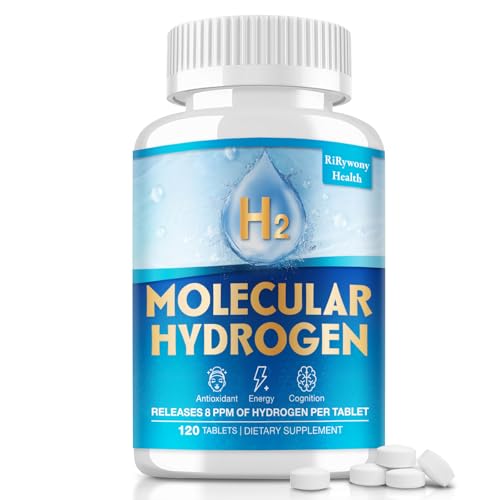
🛒 Where to Buy Molecular Hydrogen
- Drink HRW Rejuvenation Molecular Hydrogen TabletsLab-tested / studied
tablets, 1 tablet per 500ml water — Research-grade effervescent tablet; developed with involvement from the Molecular Hydrogen Foundation; among the highest documented H2 output per tablet; frequently cited in community as the benchmark - Dr. Mercola Molecular Hydrogen Tablets
tablets, 2 tablets daily in water — Mass-market accessible entry point; wide distribution; uses magnesium as hydrogen carrier; good brand recognition for general wellness shoppers - Water & Wellness H2 Elite Molecular Hydrogen Tablets
tablets, 1 tablet per 16 oz water — Travel-friendly compact packaging; practical for daily carry; good entry-level tablet option for those new to H2 - Susosu Water Hydrogen-Infused Sparkling Water Pouches
liquid, 1 pouch (8 oz) — Ready-to-drink sealed aluminum pouches preserve dissolved H2; Japanese-origin brand; no dissolution required; convenient format for on-the-go use
As an Amazon Associate we earn from qualifying purchases. Molecular hydrogen quality comes down to dissolved H2 concentration, not price. Choose a product that states a specific ppm (mg/L) figure backed by third-party testing, and prefer airtight aluminum or sealed glass packaging — a vague high-concentration claim is unverifiable, and H2 escapes quickly from plastic and open containers.
A Note on the Evidence
The evidence on hydrogen water and cardiovascular health is early-stage — primarily from small, short-duration trials conducted outside the US — and does not support any cardiovascular treatment or prevention claims. Anyone managing elevated cholesterol, heart disease, or cardiovascular risk factors should consult a qualified healthcare provider before changing or supplementing their treatment plan.
Frequently Asked Questions
What does the research say about hydrogen water and cholesterol?
A 2026 systematic review and meta-analysis of randomized controlled trials found that hydrogen-rich water interventions were associated with reductions in total cholesterol, LDL, and triglycerides, and increases in HDL, in adults with overweight or obesity and metabolic disorders [1]. The authors considered these findings preliminary, noting that the included trials were small and varied considerably in design, dosing, and duration.
How might hydrogen water influence cardiovascular markers mechanistically?
The proposed mechanism involves H2 acting as a selective antioxidant that preferentially neutralizes hydroxyl radicals and peroxynitrite — reactive species implicated in LDL oxidation and lipid peroxidation in arterial walls. Because H2 is small enough to cross cell and mitochondrial membranes, it may also support mitochondrial redox balance under oxidative challenge [2]. These mechanisms are biologically plausible but have not been fully confirmed in large, long-term human cardiovascular studies.
Why might oxidized LDL matter as much as total LDL cholesterol?
Oxidized LDL particles are taken up by macrophages in arterial walls, contributing to foam cell formation and atherosclerotic plaques — a central process in heart disease development. Research has shown that some antioxidant compounds are less effective at inhibiting LDL oxidation under the acidic pH conditions found in cellular lysosomes [4], which may partially explain why broad antioxidant supplement trials have not always produced the cardiovascular benefits expected.
Is hydrogen water safe for people with existing heart conditions?
Hydrogen water at doses used in research is generally regarded as inert and safe. However, people with diagnosed heart disease, high cholesterol, or significant cardiovascular risk factors should not use hydrogen water in place of physician-recommended treatments. The evidence base is too early-stage to support it as a standalone cardiovascular intervention, and medical supervision for those conditions remains essential.
How does H2 differ from conventional antioxidant supplements like vitamin E or C?
Unlike broader antioxidants, molecular hydrogen is proposed to selectively target only the most cytotoxic reactive oxygen species without quenching all oxidants — including those involved in beneficial cellular signaling. Large antioxidant supplement trials have frequently not shown cardiovascular benefit, and one proposed reason is that non-selective antioxidation can disrupt necessary redox-dependent processes [4]. Whether H2’s selectivity produces better outcomes in human cardiovascular research than other antioxidant approaches remains an open and unresolved question.
What are the most significant gaps in hydrogen water cardiovascular research?
The critical gaps include: absence of large, adequately powered randomized trials; no long-duration studies tracking hard cardiovascular endpoints like heart attacks or strokes; limited diversity in study populations beyond East Asian cohorts; and inconsistency in H2 delivery methods and concentrations across trials [1]. Until these gaps are addressed, hydrogen water’s role in cardiovascular health will remain an area of emerging inquiry rather than established practice.
References
- Ye H et al. The effect of hydrogen-rich water interventions on lipid profiles in adults with overweight or obesity and associated metabolic disorders: a systematic review and meta-analysis of randomized controlled trials. Diabetology & metabolic syndrome (2026). PMID 41888952
- Iuchi K et al. Molecular hydrogen suppresses free-radical-induced cell death by mitigating fatty acid peroxidation and mitochondrial dysfunction. Canadian journal of physiology and pharmacology (2019). PMID 31295412
- Stohs SJ et al. The role of free radicals in toxicity and disease. Journal of basic and clinical physiology and pharmacology (1995). PMID 8852268
- Ahmad F et al. Antioxidants inhibit low density lipoprotein oxidation less at lysosomal pH: A possible explanation as to why the clinical trials of antioxidants might have failed. Chemistry and physics of lipids (2018). PMID 29518380
- Bibli SI et al. Shear stress regulates cystathionine γ lyase expression to preserve endothelial redox balance and reduce membrane lipid peroxidation. Redox biology (2020). PMID 31759247
- Szeto HH et al. Cell-permeable, mitochondrial-targeted, peptide antioxidants. The AAPS journal (2006). PMID 16796378
These statements have not been evaluated by the Food and Drug Administration. This information is not intended to diagnose, treat, cure, or prevent any disease. Content is for informational purposes only and is not medical advice; consult a qualified healthcare provider before starting any supplement. As an Amazon Associate we earn from qualifying purchases.
