Mitochondria are the organelles responsible for generating the vast majority of the body’s cellular energy in the form of adenosine triphosphate (ATP). Their efficient function underpins virtually every biological process, from muscle contraction to cognitive signaling. Mitochondria are also among the primary sites of reactive oxygen species (ROS) production in the cell — a necessary byproduct of aerobic metabolism that, in excess, can damage the very machinery that generates energy.
Molecular hydrogen (H2), the smallest known molecule, has attracted growing scientific interest as a proposed selective antioxidant. The hypothesis under active investigation is that H2 may preferentially neutralize the most reactive and cytotoxic ROS — particularly the hydroxyl radical — while leaving beneficial redox signaling intact. A small and still-emerging body of research has begun to examine whether this property could have implications for mitochondrial health. This article reviews what the early evidence suggests, honestly and without overstating what remains preliminary science.
Key Takeaways
- Mitochondria generate most cellular ATP via oxidative phosphorylation, a process that simultaneously produces reactive oxygen species (ROS) as a byproduct.
- Excess mitochondrial ROS is linked to insulin resistance, cellular aging, and downstream organ stress in animal models and early human research.
- Molecular hydrogen is proposed to selectively neutralize the most cytotoxic ROS — hydroxyl radical and peroxynitrite — with theoretical access to the mitochondrial matrix due to its small size.
- A rat study found preliminary evidence that H2 may influence coenzyme Q levels and mitochondrial function parameters [1], but this has not been confirmed in human trials.
- H2 research is early-stage; current findings are mechanistically interesting but insufficient to support efficacy claims for any health condition.
How Mitochondria Produce Energy — and Why the Process Is Vulnerable
Mitochondria generate ATP through oxidative phosphorylation, coupling the movement of electrons through the electron transport chain (ETC) to the synthesis of ATP via ATP synthase. This process depends entirely on oxygen — as one review underscored, oxygen’s role in cellular biology is intimately tied to mitochondrial composition and the demands of aerobic energy production [2].
The thermodynamic efficiency of oxidative phosphorylation — how much energy is captured versus lost as heat — is shaped by membrane potential, proton gradients, and the availability of key substrates and cofactors [3]. Disruptions to any of these parameters can reduce ATP output even when oxygen and fuel are available. Researchers studying mitochondrial function often measure oxygen consumption rate (OCR) as a direct proxy for mitochondrial respiration, a methodology that has become standard in cellular energy research [4].
Because mitochondrial efficiency is sensitive to its internal environment, factors that generate oxidative stress — including excess reactive oxygen species — can impair ATP production without necessarily shutting the process down entirely. This makes the mitochondria both a target and a source of the very damage that undermines cellular energy.

Reactive Oxygen Species: Necessary Signals, Potential Hazards
ROS are generated as a natural consequence of electron transport. Small amounts of electrons leak from the ETC and react with oxygen to form superoxide, which converts to hydrogen peroxide and, through further reactions, to the hydroxyl radical. At physiological levels, these molecules serve as regulatory signals. At elevated levels, they cause oxidative damage to mitochondrial DNA, proteins, and lipid membranes.
Mitochondria maintain their own antioxidant defenses to manage this burden. Peroxiredoxins, for example, are a family of thiol-dependent peroxidases found within mitochondria that help neutralize hydrogen peroxide and lipid peroxides [5]. When ROS production exceeds the capacity of these internal defenses — due to metabolic overload, toxin exposure, hypoxia, or aging — the resulting oxidative stress can measurably impair mitochondrial performance.
Studies in animal models illustrate how mitochondrial oxidative stress disrupts downstream function. One study found that mitochondrial oxidative stress caused insulin resistance without directly disrupting oxidative phosphorylation itself [6] — a finding suggesting that ROS-mediated interference with signaling pathways, not an outright energy collapse, may be an early driver of metabolic dysfunction. Other research documented that chemically induced mitochondrial oxidative stress produces liver damage alongside structural mitochondrial changes [7].
When Mitochondria Are Stressed by External Conditions
Mitochondrial ROS production is not only a function of internal metabolic rate. Physiological and environmental stressors can substantially alter the balance between ROS generation and antioxidant defense. Hypoxia — reduced oxygen availability — has been shown to alter mitochondrial oxidative capacity and ROS output in a sex-dependent manner in animal models, indicating that the mitochondrial response to oxygen deprivation is complex and context-specific [8].
Physical stressors such as hyperthermia and acidosis — conditions common during intense exercise — have also been examined for their effects on mitochondrial oxidative phosphorylation, with findings suggesting that thermal and pH stress can alter mitochondrial efficiency [9]. These observations provide important background for understanding H2 research conducted in exercise-recovery settings, where some of the most active human investigation has taken place.
Broader evidence from cellular toxicology reinforces how central ROS are to mitochondrial vulnerability. Research in invertebrate models found that copper toxicity operates through a ROS-dependent mechanism [10], illustrating how elevated ROS production — whether from metabolic, environmental, or chemical sources — can compromise mitochondrial integrity.
The H2–Mitochondria Hypothesis: How the Mechanism Is Proposed to Work
Molecular hydrogen is proposed to act as a selective antioxidant, with its primary targets being the hydroxyl radical (•OH) and peroxynitrite (ONOO⁻) — two of the most cytotoxic reactive species that standard enzymatic antioxidants handle poorly. The hypothesis is that by selectively quenching these species, H2 could reduce the collateral oxidative damage that impairs mitochondrial structure and function, without suppressing the lower-level ROS that cells rely on for signaling.
H2’s small molecular size and nonpolar character are thought to facilitate passive diffusion across all biological membranes, including the inner mitochondrial membrane — the precise location where the electron transport chain operates and where the most damaging ROS originate. This proposed access to the mitochondrial matrix is central to the mechanistic hypothesis. How much H2 actually reaches this compartment in living human tissue, and in what effective concentrations, remains an open question that current research has not fully resolved.
Animal Evidence: H2 and Coenzyme Q in Mitochondrial Function
Among the limited preclinical studies examining H2 and mitochondria directly, a rat study published in the Canadian Journal of Physiology and Pharmacology investigated how molecular hydrogen affects coenzyme Q (CoQ, also known as ubiquinone or ubiquinol) levels and mitochondrial function parameters [1]. Coenzyme Q is a critical mobile electron carrier embedded in the inner mitochondrial membrane; it shuttles electrons between ETC complexes and also functions as a lipid-soluble antioxidant. Its availability and redox state influence both ATP generation efficiency and the rate of mitochondrial ROS production.

The study offered preliminary evidence that H2 administration may interact with CoQ-related processes in rat mitochondria — an observation that, if replicated in larger studies and ultimately in humans, would provide a plausible mechanistic bridge between H2 intake and mitochondrial energy dynamics. It is essential to note that this is a single animal study conducted in rats, and its findings cannot be extrapolated to human clinical outcomes without substantially more research. It represents a hypothesis-generating observation, not a confirmed effect.
Mitochondrial Aging and the Limits of Current Evidence
One of the most persistent questions in mitochondrial biology concerns aging. Mitochondrial function declines over time through the accumulation of oxidative damage to mitochondrial DNA and the progressive impairment of electron transport chain complexes — a process with several still-open mechanistic questions [11]. Whether reducing mitochondrial ROS burden over years of exposure could meaningfully slow this decline in humans is unknown, and no H2 research has addressed this question longitudinally.
For researchers and health-focused individuals, the hypothesis that a well-tolerated molecule like H2 might support mitochondrial resilience is scientifically plausible given what is known about mitochondrial ROS biology. However, the current evidence base — drawn primarily from cell culture experiments, rodent studies, and small short-duration human trials conducted predominantly in Japan and East Asia — does not yet support conclusions about long-term mitochondrial protection in healthy adults or clinical populations.
The most that can be said honestly is that the mechanistic rationale is coherent, the safety profile of H2-enriched water and effervescent tablets appears favorable at studied doses, and the field is actively developing. Larger, longer, and more rigorously controlled trials will be necessary before stronger conclusions can be drawn.
🛒 Where to Buy Molecular Hydrogen
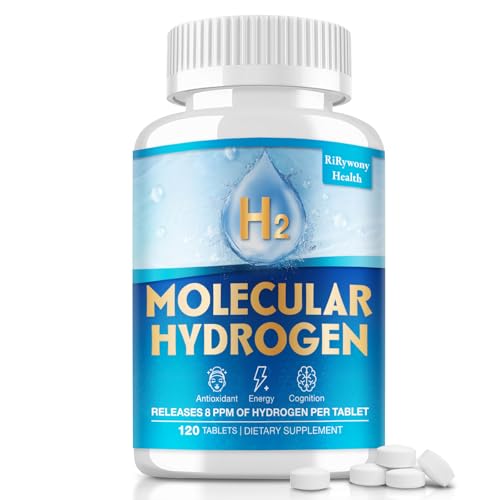
- Drink HRW Rejuvenation Molecular Hydrogen TabletsLab-tested / studied
tablets, 1 tablet per 500ml water — Research-grade effervescent tablet; developed with involvement from the Molecular Hydrogen Foundation; among the highest documented H2 output per tablet; frequently cited in community as the benchmark - Dr. Mercola Molecular Hydrogen Tablets
tablets, 2 tablets daily in water — Mass-market accessible entry point; wide distribution; uses magnesium as hydrogen carrier; good brand recognition for general wellness shoppers - Water & Wellness H2 Elite Molecular Hydrogen Tablets
tablets, 1 tablet per 16 oz water — Travel-friendly compact packaging; practical for daily carry; good entry-level tablet option for those new to H2 - Susosu Water Hydrogen-Infused Sparkling Water Pouches
liquid, 1 pouch (8 oz) — Ready-to-drink sealed aluminum pouches preserve dissolved H2; Japanese-origin brand; no dissolution required; convenient format for on-the-go use
As an Amazon Associate we earn from qualifying purchases. Molecular hydrogen quality comes down to dissolved H2 concentration, not price. Choose a product that states a specific ppm (mg/L) figure backed by third-party testing, and prefer airtight aluminum or sealed glass packaging — a vague high-concentration claim is unverifiable, and H2 escapes quickly from plastic and open containers.
A Note on the Evidence
The evidence linking molecular hydrogen to mitochondrial benefits is preliminary, consisting largely of animal studies and small short-duration human trials conducted outside the United States; these findings should not be interpreted as clinically established or as proof of health benefit. Individuals with mitochondrial disease, metabolic disorders, or other serious health concerns should consult a qualified healthcare provider before using any H2-based product.
Frequently Asked Questions
What is the proposed connection between molecular hydrogen and mitochondria?
Molecular hydrogen is hypothesized to diffuse across the inner mitochondrial membrane — the site of the electron transport chain — and selectively neutralize hydroxyl radicals and peroxynitrite produced there as byproducts of oxidative phosphorylation. These species are particularly damaging and are managed poorly by standard enzymatic defenses such as peroxiredoxins [5]. This is a proposed mechanism under investigation, not an established clinical fact.
Does research show H2 affects mitochondrial function in animals?
A rat study found that molecular hydrogen influenced coenzyme Q levels and mitochondrial function parameters [1]. Coenzyme Q is a key electron carrier and antioxidant in the electron transport chain, and its status is closely tied to both ATP efficiency and ROS production. This finding is preliminary and has not been replicated in human trials.
Why does mitochondrial ROS matter for overall health?
When mitochondrial ROS production exceeds antioxidant capacity — due to metabolic stress, aging, or environmental factors — oxidative damage accumulates and disrupts cellular signaling. Research has shown that mitochondrial oxidative stress can drive insulin resistance even before oxidative phosphorylation itself is impaired [6], and elevated mitochondrial ROS is a consistent feature of mitochondrial aging [11]. Managing this burden is an active area of metabolic research.
How do researchers measure mitochondrial function in laboratory studies?
A common laboratory method measures oxygen consumption rate (OCR) in living cells using specialized equipment, providing a direct readout of mitochondrial respiration and oxidative phosphorylation activity [4]. Changes in OCR before and after treatment with a compound indicate whether that compound enhances, impairs, or has no effect on mitochondrial energy production. This methodology has helped characterize how various stressors, including ROS, alter mitochondrial performance.
Is H2-enriched water safe to consume?
At doses examined in published research trials, molecular hydrogen delivered as H2-enriched water or effervescent tablets is broadly regarded as inert and safe. Hydrogen gas is already present in trace amounts from gut fermentation in healthy individuals. H2 is not classified as a drug by the FDA, and no serious adverse effects have been reported in the literature to date. This is general information, not medical advice — individuals with existing health conditions should consult a qualified clinician before using any supplement.
Can H2 supplements treat or reverse mitochondrial dysfunction?
No. Molecular hydrogen is not approved to treat, cure, or prevent any disease or condition, including mitochondrial disorders. The research linking H2 to mitochondrial outcomes is early-stage, conducted primarily in animal models and small, short-duration human cohorts. Current evidence does not support medical or therapeutic claims, and such claims are not permitted by the FDA.
References
- Gvozdjáková A et al. A new insight into the molecular hydrogen effect on coenzyme Q and mitochondrial function of rats. Canadian journal of physiology and pharmacology (2020). PMID 31536712
- Manoj KM et al. Why do cells need oxygen? Insights from mitochondrial composition and function. Cell biology international (2022). PMID 34918410
- Wilson DF et al. Thermodynamic relationships in mitochondrial oxidative phosphorylation. Annual review of biophysics and bioengineering (1974). PMID 4153883
- Zhang J et al. Using Seahorse Machine to Measure OCR and ECAR in Cancer Cells. Methods in molecular biology (Clifton, N.J.) (2019). PMID 30725464
- Cao Z et al. Mitochondrial peroxiredoxins. Sub-cellular biochemistry (2007). PMID 18084900
- Fazakerley DJ et al. Mitochondrial oxidative stress causes insulin resistance without disrupting oxidative phosphorylation. The Journal of biological chemistry (2018). PMID 29599292
- Oliveira MM et al. Mitochondrial and liver oxidative stress alterations induced by N-butyl-N-(4-hydroxybutyl)nitrosamine: relevance for hepatotoxicity. Journal of applied toxicology : JAT (2013). PMID 22095756
- Smith KLM et al. Chronic developmental hypoxia alters mitochondrial oxidative capacity and reactive oxygen species production in the fetal rat heart in a sex-dependent manner. Journal of pineal research (2022). PMID 35941749
- Davis MS et al. Effects of hyperthermia and acidosis on mitochondrial oxidative phosphorylation. Journal of applied physiology (Bethesda, Md. : 1985) (2024). PMID 39601795
- Zeeshan M et al. ROS dependent copper toxicity in Hydra-biochemical and molecular study. Comparative biochemistry and physiology. Toxicology & pharmacology : CBP (2016). PMID 26945520
- Beckman KB et al. Mitochondrial aging: open questions. Annals of the New York Academy of Sciences (1998). PMID 9928425
These statements have not been evaluated by the Food and Drug Administration. This information is not intended to diagnose, treat, cure, or prevent any disease. Content is for informational purposes only and is not medical advice; consult a qualified healthcare provider before starting any supplement. As an Amazon Associate we earn from qualifying purchases.
