Molecular hydrogen (H2) has attracted growing scientific curiosity as a proposed selective antioxidant — one that may neutralize particularly harmful reactive oxygen species such as hydroxyl radical and peroxynitrite without broadly suppressing the redox signals cells rely on for normal function. Researchers in Japan and East Asia have published hundreds of small trials examining H2 across metabolic, inflammatory, and exercise-recovery contexts, and that interest has fueled a market for consumer delivery products ranging from fizzing tablets to countertop electrolysis machines to clinical-grade inhalation devices.
The challenge for anyone trying to make a sensible choice is that these three delivery formats differ substantially in the concentration of H2 they can realistically achieve, the consistency of that dose, the route by which hydrogen enters the body, and the cost and practicality of daily use. This article breaks down what is actually known about each format — and is equally honest about where the evidence remains thin or absent.
Key Takeaways
- Tablets, machines, and inhalation deliver H2 via different routes at different concentrations — they are not equivalent or interchangeable formats.
- Quality electrolysis machines (SPE/PEM) produce the most consistent dissolved H2 concentration and most closely match conditions used in published research.
- Tablets are convenient and accessible but require careful use in sealed containers and immediate consumption; quality varies significantly between brands.
- Inhalation achieves the highest systemic H2 exposure but is primarily a clinical/research tool, not a practical daily consumer format.
- The overall evidence base for molecular hydrogen is early-stage[4] — mostly small, short, East Asian trials — and no delivery method has established clinical efficacy by Western regulatory standards.
Why Delivery Method Matters for a Gas-Phase Molecule
Molecular hydrogen is the smallest known molecule — two protons, two electrons, no charge. That extreme smallness means it diffuses rapidly across cell membranes and the blood-brain barrier[1][2], which is part of why researchers consider it biologically interesting. It also means H2 is a gas at room temperature and escapes from liquids quickly. The practical consequence is that the method by which you introduce H2 into the body — and how much actually reaches target tissues — depends heavily on format, preparation technique, and timing of consumption.
Dissolved H2 concentration in water is measured in parts per million (ppm) or milligrams per liter (mg/L), and these are equivalent units. The theoretical saturation limit of H2 in water at standard pressure is roughly 1.6 mg/L. Above that, excess gas simply escapes as bubbles. Inhalation devices deliver H2 as a percentage of inhaled air, a fundamentally different route that bypasses the gut entirely and enters the bloodstream through the lungs. Understanding this distinction is essential when comparing product claims.

Effervescent Tablets: Portable but Variable
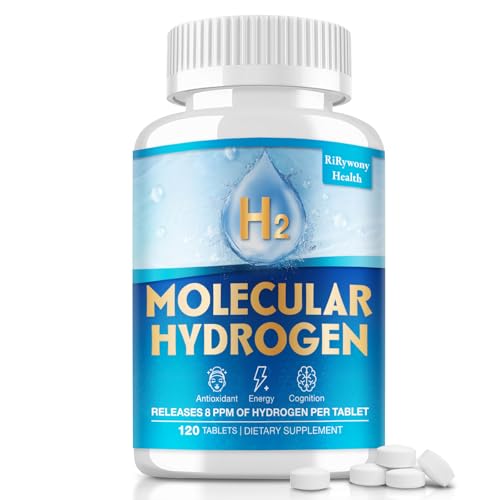
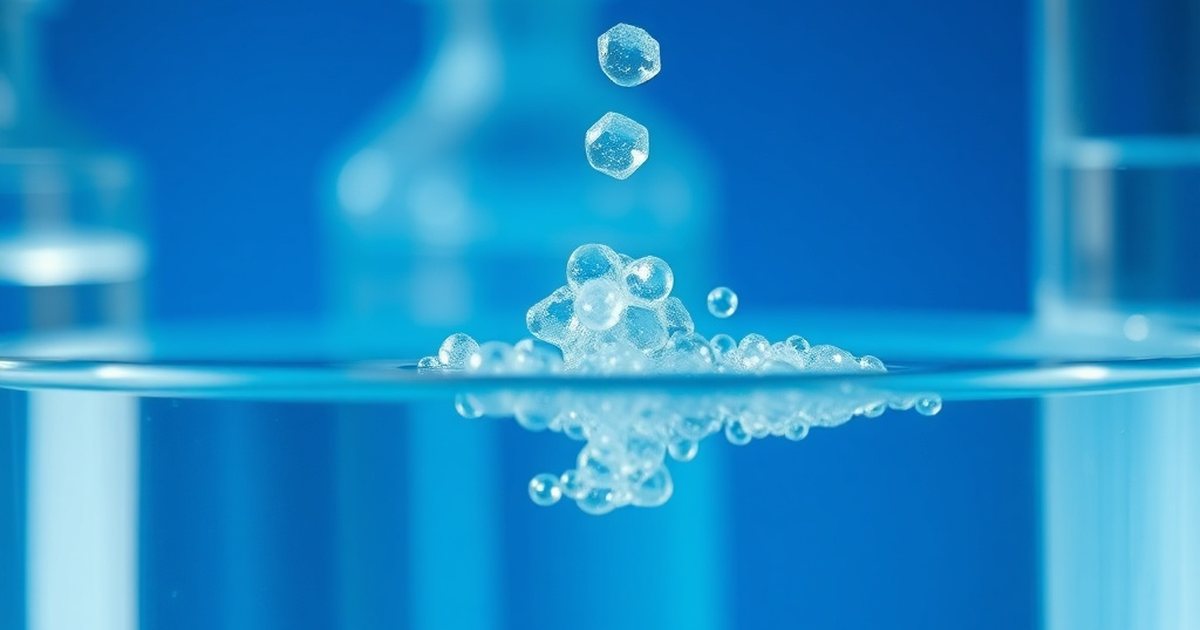
H2 tablets are typically magnesium-based compounds that react with water to produce hydrogen gas via a chemical reduction reaction. When a tablet is dropped into a closed container of water, the reaction generates dissolved H2 alongside magnesium hydroxide as a byproduct. The appeal is obvious: no power source, no equipment, portable for travel, and relatively low cost per serving.
The limitations are equally real. The concentration of dissolved H2 a tablet produces depends on the tablet’s magnesium content, the quality of the reaction chemistry, the volume of water used, how tightly the container is sealed, and how quickly you drink the resulting water after preparation. Tablets left in open containers lose dissolved H2 rapidly — within minutes. Independent laboratory testing of commercially available tablet products has found wide variation in actual dissolved H2 output, with some products falling well below their labeled claims. There is currently no mandatory third-party certification standard for consumer H2 tablets in the United States, so quality control is largely brand-dependent.
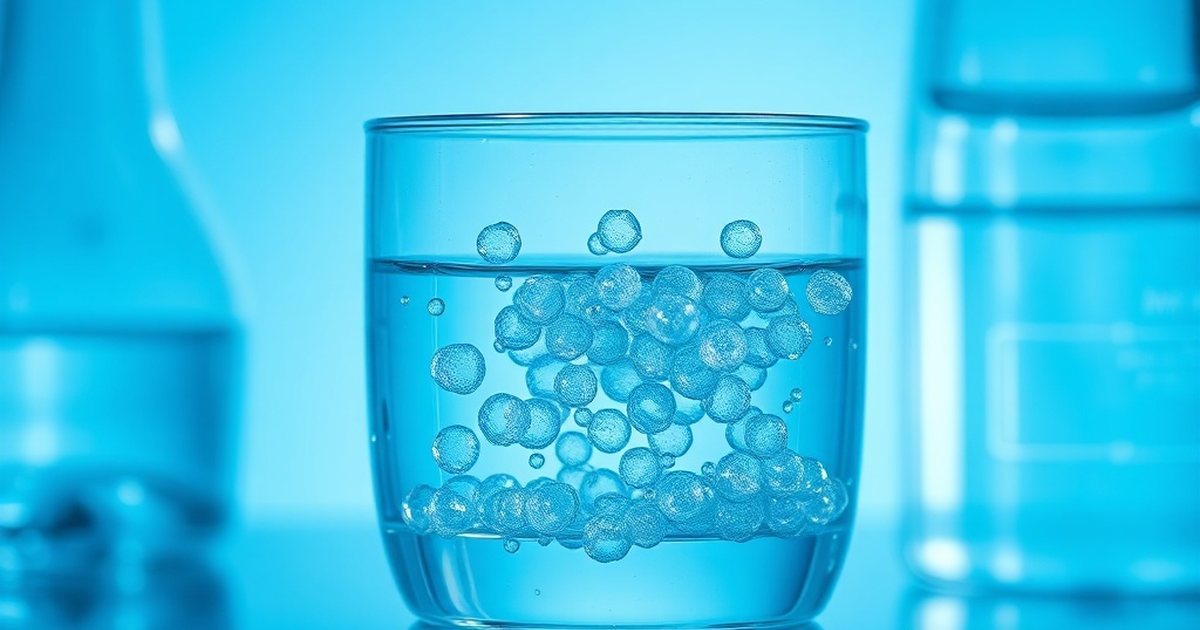
For someone who wants a practical, no-equipment entry point into H2 water, tablets are a reasonable choice — provided they are used in a sealed container and consumed promptly. They are not suitable for producing high-concentration H2 water consistently, and the magnesium byproduct means people with kidney impairment or those on magnesium-restricted diets should consult a physician before regular use.
Hydrogen Water Machines: Higher Concentration, Greater Consistency
Electrolysis-based hydrogen water generators — countertop units, portable bottles with built-in electrolysis cells, and under-sink systems — work by passing electrical current through water to split H2O into hydrogen gas and oxygen gas. The hydrogen is dissolved into the drinking water while oxygen is vented. Higher-end machines use solid polymer electrolyte (SPE) or proton exchange membrane (PEM) technology, which produces purer H2 with minimal ozone or chlorine byproducts that less sophisticated electrodes can generate.
A quality SPE/PEM machine can reliably produce H2-enriched water in the 1.0–1.6 mg/L range, approaching the saturation limit, with consistent output across uses. Some specialized pressurized systems claim higher concentrations by dissolving H2 under pressure, though the stability of supersaturated H2 water during storage and transit is debated. Most researchers conducting H2 trials have used electrolysis-generated water, making this format the closest analog to study conditions — though it is worth noting that the majority of published trials are small, short-duration studies, and direct comparisons between delivery formats in clinical outcomes have not been well characterized.
The practical downsides are cost (quality machines range from several hundred to over a thousand dollars), maintenance requirements, and the reality that dissolved H2 still degrades after production. Water should be consumed within 20–30 minutes of generation for maximum H2 content. Portable electrolysis bottles offer a middle ground between tablet convenience and machine consistency, though their smaller electrolysis cells and shorter cycle times typically produce lower concentrations than dedicated countertop units.
Inhalation: The Highest Systemic Exposure Route
Inhalation of hydrogen gas represents the most direct route to systemic H2 exposure. Rather than absorbing H2 through the gut wall after drinking, inhaled H2 passes from the alveoli into the bloodstream almost immediately. Some Japanese research groups and clinical facilities have used inhalation at concentrations of 2–4% H2 in air — well below the 4% lower flammability limit — for periods of 30 to 60 minutes per session. This approach is capable of achieving blood H2 concentrations substantially higher than oral consumption of H2 water.
Consumer inhalation devices exist but remain expensive and less standardized than drinking-water formats. Clinical inhalation machines used in research settings are medical-grade equipment with safety controls for gas concentration monitoring. The safety profile of occasional inhalation at sub-flammability concentrations appears acceptable in reported human studies[3], but this is not a format most people will adopt casually, and it is the least studied in the peer-reviewed literature accessible to Western audiences.
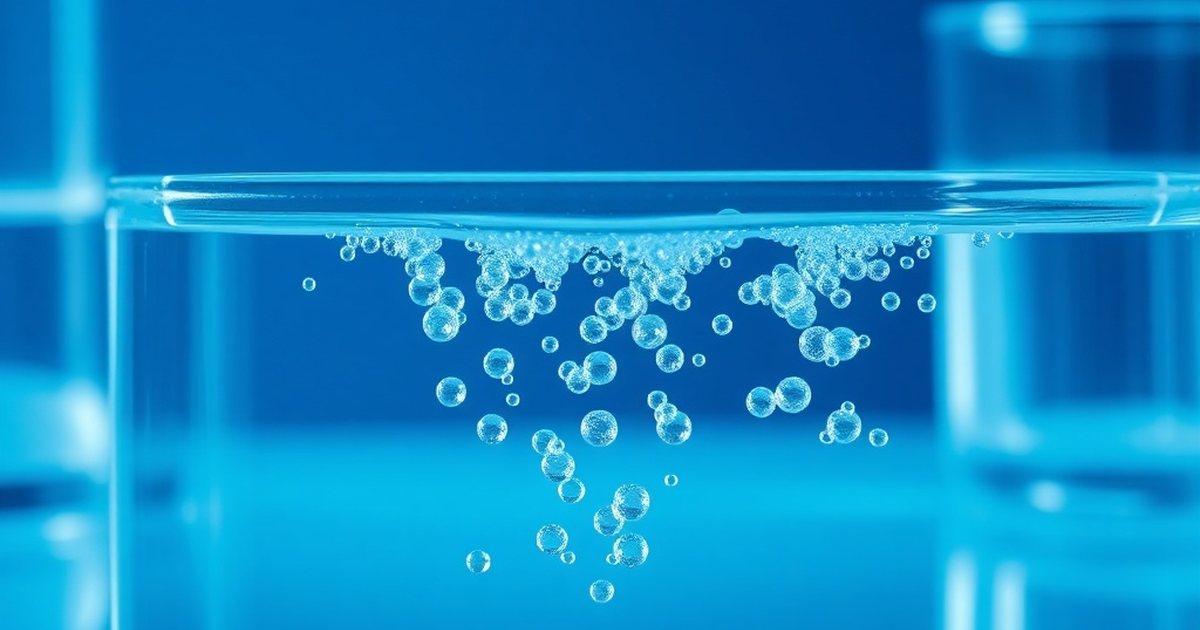
Inhalation is the format most likely to be encountered in a clinical or research context rather than a wellness supplement context. For the general consumer, it is worth understanding that inhalation and drinking H2 water are not interchangeable in terms of dose or mechanism of tissue delivery, and efficacy findings from one route do not automatically extend to the other.
What the Research Actually Covers — and Where the Gaps Are
The large majority of published molecular hydrogen research involves H2-enriched water consumed orally, and nearly all of it comes from Japanese, Korean, and Chinese institutions. Conditions studied include metabolic syndrome markers, inflammatory indicators, exercise-induced oxidative stress, and various neurological contexts. The findings across these trials are often described as promising, but the evidence base has consistent limitations: small sample sizes (commonly 20–60 participants), short intervention durations (weeks to a few months), lack of independent replication in diverse populations, and heterogeneous outcome measures that make cross-study comparison difficult.

Inhalation studies exist but are fewer in number and mostly involve specific clinical contexts rather than general wellness. Direct head-to-head trials comparing tablets versus machines versus inhalation in the same population for the same outcomes have not, to this author’s knowledge, been published in indexed literature. This means the common marketing assertion that one format is meaningfully superior for a specific health outcome is not currently supported by controlled comparative evidence. What can be said is that inhalation achieves higher systemic concentrations, machines achieve more consistent dissolved concentrations than tablets, and tablets offer convenience with less predictable dosing.
Practical Guidance for Choosing a Format
For someone curious about H2 water who wants a low-commitment starting point, quality magnesium-based tablets used correctly — sealed container, consumed within minutes — are a reasonable option. Look for brands that provide independent laboratory documentation of actual H2 output rather than relying solely on label claims. Avoid tablets used in open glasses or consumed an hour after preparation, as dissolved H2 will have largely dissipated.
For someone seeking the format most representative of what has been studied in published trials and wanting greater consistency, an SPE or PEM electrolysis machine is the more defensible choice. Prioritize machines that use platinum-coated titanium electrodes or PEM membranes over basic electrolysis units, and consume the water promptly after generation. For daily use, a portable electrolysis bottle offers a practical midpoint, understanding that concentration may be somewhat lower than a dedicated machine.
Inhalation devices are currently best understood as clinical or research tools rather than consumer wellness products. If you encounter a provider offering H2 inhalation as part of a health protocol, asking for documentation of the device’s gas concentration output and safety monitoring is reasonable. As with all H2 formats, the evidence supporting specific health claims from inhalation remains preliminary and the FDA does not recognize H2 therapy as a treatment for any disease.
🛒 Where to Buy Molecular Hydrogen
- Drink HRW Rejuvenation Molecular Hydrogen TabletsLab-tested / studied
tablets, 1 tablet per 500ml water — Research-grade effervescent tablet; developed with involvement from the Molecular Hydrogen Foundation; among the highest documented H2 output per tablet; frequently cited in community as the benchmark - Dr. Mercola Molecular Hydrogen Tablets
tablets, 2 tablets daily in water — Mass-market accessible entry point; wide distribution; uses magnesium as hydrogen carrier; good brand recognition for general wellness shoppers - Water & Wellness H2 Elite Molecular Hydrogen Tablets
tablets, 1 tablet per 16 oz water — Travel-friendly compact packaging; practical for daily carry; good entry-level tablet option for those new to H2 - Susosu Water Hydrogen-Infused Sparkling Water Pouches
liquid, 1 pouch (8 oz) — Ready-to-drink sealed aluminum pouches preserve dissolved H2; Japanese-origin brand; no dissolution required; convenient format for on-the-go use
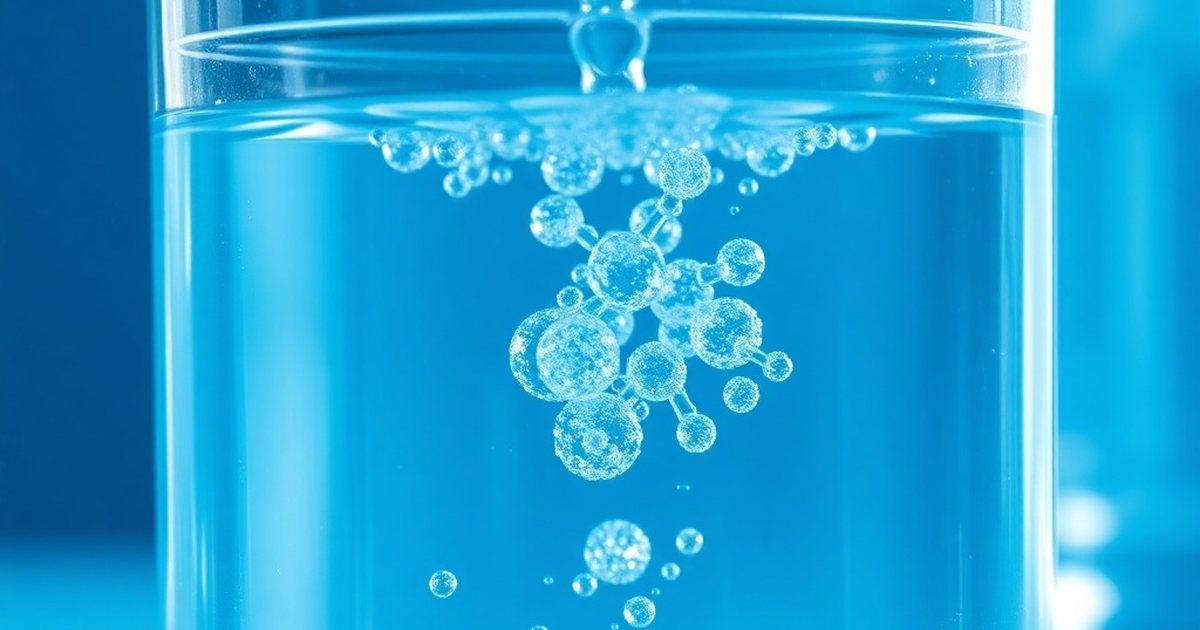
As an Amazon Associate we earn from qualifying purchases. Molecular hydrogen quality comes down to dissolved H2 concentration, not price. Choose a product that states a specific ppm (mg/L) figure backed by third-party testing, and prefer airtight aluminum or sealed glass packaging — a vague high-concentration claim is unverifiable, and H2 escapes quickly from plastic and open containers.
A Note on the Evidence
The evidence for molecular hydrogen across all delivery formats is preliminary — most published trials are small, short-term, and conducted outside the United States, and no delivery method has established clinical efficacy by FDA standards. Individuals who are pregnant, have kidney disease, take prescription medications, or have any chronic health condition should consult a qualified healthcare provider before adding H2 supplementation in any form.
Frequently Asked Questions
How quickly does dissolved H2 escape from water after preparation?
Dissolved hydrogen gas is highly volatile and begins escaping immediately upon exposure to air. In an open container, meaningful H2 concentration can be lost within 10–20 minutes. Both tablet preparations and machine-generated H2 water should be consumed within 20–30 minutes of preparation for maximum H2 content. Sealed, pressurized containers can slow this loss somewhat.
Are H2 tablets as effective as hydrogen water machines?
No head-to-head clinical trials directly comparing outcomes from tablets versus machines have been published in indexed literature. From a chemistry standpoint, a quality machine can produce more consistent and higher dissolved H2 concentrations than most tablets. Whether that translates to meaningfully different biological outcomes in humans has not been established by controlled evidence.
Is breathing hydrogen gas safe?
At concentrations of 2–4% H2 in air, which is below the lower flammability limit of 4%, inhalation appears well tolerated in reported human studies. However, consumer-grade inhalation devices vary in safety engineering and gas monitoring capability. This is not a format to improvise with; clinical inhalation uses specialized equipment with concentration controls. Consult a qualified practitioner before attempting H2 inhalation.
Can I get too much molecular hydrogen?
H2 is regarded as physiologically inert at studied doses — it is not metabolized into harmful byproducts and excess is exhaled. No toxicity from H2 itself has been demonstrated at concentrations used in research. That said, tablet-format H2 water introduces magnesium as a byproduct, and individuals with kidney disease or magnesium-restricted diets should consult a physician before regular use.
Does H2 water have to be consumed at a specific time of day?
Published studies have used various timing protocols depending on the condition being studied — some administer H2 water before exercise, others in the morning, others multiple times daily. There is no consensus best timing established by the current evidence. Consistency of preparation and prompt consumption after generation appear more important than time of day for maintaining actual H2 content in the water.
Why do so many H2 studies come from Japan?
Molecular hydrogen research was significantly advanced by a landmark 2007 paper from Ohsawa and colleagues at Nippon Medical School, which proposed H2 as a selective antioxidant. This sparked substantial research interest in Japan and subsequently across East Asia, with funding, institutional infrastructure, and clinical networks built around this work over nearly two decades. Western research has been much slower to engage, which is one reason the evidence base reflects primarily Japanese and East Asian populations and clinical contexts.
References
- Ohsawa I et al. Hydrogen acts as a therapeutic antioxidant by selectively reducing cytotoxic oxygen radicals. Nat Med (2007). PMID 17486089
- Ohta S. Molecular hydrogen as a preventive and therapeutic medical gas: initiation, development and potential of hydrogen medicine. Pharmacol Ther (2014). PMID 24769081
- Cole AR et al. Safety of Prolonged Inhalation of Hydrogen Gas in Air in Healthy Adults. Crit Care Explor (2021). PMID 34651133
- Dhillon G et al. Hydrogen Water: Extra Healthy or a Hoax? A Systematic Review. Int J Mol Sci (2024). PMID 38256045
These statements have not been evaluated by the Food and Drug Administration. This information is not intended to diagnose, treat, cure, or prevent any disease. Content is for informational purposes only and is not medical advice; consult a qualified healthcare provider before starting any supplement. As an Amazon Associate we earn from qualifying purchases.
