Hydrogen water — plain water infused with dissolved molecular hydrogen (H2) gas — has drawn growing interest as a simple way to deliver a proposed selective antioxidant to the body. Unlike broad-spectrum antioxidant supplements, molecular hydrogen is theorized to target only the most reactive and damaging free radicals, particularly the hydroxyl radical, without interfering with the lower-level reactive oxygen species the body uses for normal signaling. That mechanism, still under active investigation, is what makes timing a genuinely interesting question: if H2 acts quickly and dissipates fast, when you drink it may shape what you get out of it.
This article looks honestly at the three windows people most commonly ask about — first thing in the morning, before exercise, and alongside meals — and explains the rationale behind each from a mechanistic and practical standpoint. It is worth stating upfront that the evidence base for hydrogen water is early-stage[1], with most published trials being small, short-duration, and conducted primarily in Japan and East Asia. No timing protocol has been rigorously compared against another in large controlled trials, and nothing here should be read as medical advice or a disease-treatment claim.
Key Takeaways
- Molecular hydrogen dissipates quickly from water — drinking promptly after preparation matters more than finding a perfect timing window.
- Pre-workout consumption has the strongest mechanistic rationale, aligning H2 intake with the predictable oxidative spike from intense exercise.
- Morning consumption on an empty or light stomach is a practical and widely recommended approach for general wellness goals.
- Mealtime hydrogen water is convenient but may be slightly diluted by food volume; it remains a reasonable option for routine use.
- No direct comparison trials exist between timing windows — current guidance is based on mechanistic reasoning and small exploratory studies, not definitive evidence.
Why Timing Might Matter for Hydrogen Water
Molecular hydrogen is the smallest known molecule, which gives it unusual properties: it passes freely through cell membranes and, once dissolved in water, begins off-gassing almost immediately after the container is opened. Commercially available H2-enriched water and effervescent tablets produce dissolved H2 concentrations that peak quickly and decline over minutes to hours depending on storage conditions. This rapid dissipation is the core reason timing becomes relevant at all — drinking hydrogen water promptly after preparation is generally recommended across the literature, and the same logic extends to choosing a window in the day when the body may benefit most.
The proposed selective antioxidant effect works by H2 reacting preferentially with hydroxyl radicals and peroxynitrite, two species considered especially cytotoxic, while leaving hydrogen peroxide and superoxide — which the body uses for immune defense and cell signaling — largely untouched. If that selectivity holds under physiological conditions, then aligning H2 intake with moments of elevated oxidative stress (such as waking after overnight fasting, or immediately before intense physical exertion) has a plausible mechanistic rationale, even if direct comparison data between timing windows does not yet exist.

Drinking Hydrogen Water in the Morning
Morning is among the most commonly recommended windows by practitioners who work with hydrogen water, and there is a sensible rationale behind it. During overnight sleep, the body undergoes fasting-state metabolic activity, and cellular maintenance processes including autophagy are more active. Waking with mild dehydration is common, and rehydrating early is broadly beneficial regardless of what is dissolved in the water.
From an antioxidant standpoint, some researchers have proposed that morning H2 intake may help buffer any oxidative load that accumulated overnight, particularly relevant for people with inflammatory conditions or metabolic concerns. Morning dosing also has a practical advantage: it is easier to build into a consistent routine before the unpredictability of the day intervenes, and it ensures the water is consumed promptly while H2 concentration is still high. There are no head-to-head trials comparing morning versus other timing windows, so this recommendation rests on mechanistic reasoning and practicality rather than direct evidence.
One consideration worth noting: drinking hydrogen water on a completely empty stomach is generally regarded as safe given that H2 itself is inert at studied doses, but individuals with acid sensitivity or gastrointestinal conditions may prefer to have a small amount of food first, as effervescent tablet preparation introduces carbonation.
Pre-Workout: The Most Studied Timing Context
Exercise represents one of the most studied applications of hydrogen water, and the pre-workout window is where the mechanistic argument is strongest. Intense physical exertion generates a significant and predictable spike in reactive oxygen species — a well-established phenomenon. Some degree of this exercise-induced oxidative stress is adaptive and necessary for training adaptations, but excess oxidative burden is associated with muscle damage, delayed-onset muscle soreness, and prolonged recovery.
The hypothesis behind pre-workout hydrogen water is that having H2 circulating in tissues before oxidative stress peaks may offer a more timely buffer than consuming it after exercise has already concluded. Several small Japanese trials have explored hydrogen water in the context of exercise performance and recovery, looking at markers such as lactate accumulation, muscle fatigue indicators, and blood markers of oxidative damage. Findings have been mixed and sample sizes have been modest[2][3], and the research has not yet been replicated in large, independent Western trials.
If pre-workout timing is the goal, the practical implication is to drink H2-enriched water within roughly 30 minutes before exercise while dissolved H2 concentration is still near peak, rather than preparing it well in advance. Some users also consume it immediately post-workout on the rationale of addressing the oxidative aftermath, and a combined pre-and-post approach has appeared in some study protocols, though again no definitive comparison establishes which is superior.
Drinking Hydrogen Water With Meals
Consuming hydrogen water alongside food is common simply because meals are a reliable daily anchor point, and some practitioners specifically recommend it for people with metabolic or digestive concerns. The mechanistic rationale here is more indirect: postprandial (after-meal) periods are associated with transient increases in oxidative stress and inflammation, particularly after large or high-glycemic meals, and there is theoretical appeal to having an antioxidant-active molecule present during that window.
A practical concern with mealtime consumption is that the stomach is less empty, which may affect how quickly H2 is absorbed across the gastrointestinal lining, though this has not been systematically studied in well-controlled human trials. The volume of food and digestive fluid may also dilute effective H2 concentration. For people primarily interested in general wellness rather than a specific exercise or metabolic application, mealtime hydrogen water is a convenient and low-risk approach, but it should not be assumed to be equivalent in effect to more targeted timing windows.
Evening and Before Bed: A Less Common but Considered Window
Some users report consuming hydrogen water in the evening, citing interest in overnight recovery, sleep quality, and the body’s nocturnal repair processes. There is very limited published research specific to evening hydrogen water timing. The mechanistic case rests on the idea that overnight cellular maintenance might benefit from reduced oxidative burden entering sleep, but this is speculative without direct evidence.
One practical note: hydrogen water itself contains no caffeine or stimulants and is not expected to interfere with sleep, so evening consumption does not carry the timing risk that caffeinated beverages do. Whether it provides any meaningful advantage over morning or pre-workout timing for most people remains an open question.

Practical Recommendations and Honest Caveats
Given the current evidence landscape, the most defensible guidance is to choose a timing window that aligns with your primary goal and that you can maintain consistently. For exercise recovery or performance, consuming H2-enriched water within 30 minutes before training has the clearest mechanistic rationale. For general wellness or metabolic support, morning consumption on an empty or light stomach is a practical and commonly recommended approach. Mealtime use is convenient and likely harmless, but may be slightly less efficient due to dilution effects.
Regardless of timing, preparation quality matters: H2 concentrations dissipate quickly, so drinking promptly after opening a sealed bottle or dissolving an effervescent tablet is more important than getting the timing window exactly right. Most researchers and practitioners recommend daily consistent use over weeks rather than sporadic use, given that any cumulative benefits observed in trials have emerged over study periods of weeks to months.
It bears repeating that the entire evidence base for hydrogen water is preliminary. Trials are small, many lack blinding or placebo controls adequate to rule out expectation effects, and regulatory bodies including the FDA have not evaluated or approved hydrogen water for any health condition. Hydrogen water consumed as described is broadly regarded as safe given the inert nature of H2 gas, but this does not imply proven efficacy for any outcome.
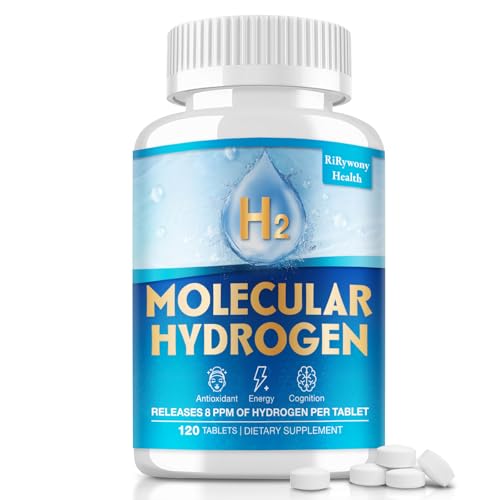
🛒 Where to Buy Molecular Hydrogen
- Drink HRW Rejuvenation Molecular Hydrogen TabletsLab-tested / studied
tablets, 1 tablet per 500ml water — Research-grade effervescent tablet; developed with involvement from the Molecular Hydrogen Foundation; among the highest documented H2 output per tablet; frequently cited in community as the benchmark - Dr. Mercola Molecular Hydrogen Tablets
tablets, 2 tablets daily in water — Mass-market accessible entry point; wide distribution; uses magnesium as hydrogen carrier; good brand recognition for general wellness shoppers - Water & Wellness H2 Elite Molecular Hydrogen Tablets
tablets, 1 tablet per 16 oz water — Travel-friendly compact packaging; practical for daily carry; good entry-level tablet option for those new to H2 - Susosu Water Hydrogen-Infused Sparkling Water Pouches
liquid, 1 pouch (8 oz) — Ready-to-drink sealed aluminum pouches preserve dissolved H2; Japanese-origin brand; no dissolution required; convenient format for on-the-go use
As an Amazon Associate we earn from qualifying purchases. Molecular hydrogen quality comes down to dissolved H2 concentration, not price. Choose a product that states a specific ppm (mg/L) figure backed by third-party testing, and prefer airtight aluminum or sealed glass packaging — a vague high-concentration claim is unverifiable, and H2 escapes quickly from plastic and open containers.
A Note on the Evidence
The evidence supporting hydrogen water for any health outcome is preliminary, with most trials being small, short-duration, and conducted in Japan and East Asia without large independent replication. Hydrogen water is not approved by the FDA to treat, cure, or prevent any disease, and this article is informational only — not medical advice. Anyone with a chronic health condition, pregnancy, or who takes medication should consult a qualified healthcare provider before adding hydrogen water to their routine.
Frequently Asked Questions
Should I drink hydrogen water on an empty stomach?
An empty stomach is generally preferred by many practitioners because it may allow faster absorption across the gastrointestinal lining before dilution by food or digestive secretions. There is no published trial directly comparing fasted versus fed consumption, so this remains a practical recommendation rather than a proven superiority claim. Individuals with acid sensitivity may prefer a small amount of food beforehand, especially with effervescent tablet preparations that introduce carbonation.
How quickly does hydrogen water lose its H2 content after opening?
Dissolved molecular hydrogen begins off-gassing immediately once a sealed container is opened or an effervescent tablet finishes dissolving. Most of the H2 content can dissipate within 30 to 60 minutes depending on temperature, agitation, and container type. Drinking promptly and keeping the container sealed until ready to consume are the most impactful steps you can take to preserve H2 concentration.
Can I drink hydrogen water multiple times per day?
Multiple daily servings are used in some research protocols and are broadly considered safe given that molecular hydrogen at studied doses is inert and does not accumulate. Whether multiple servings confer greater benefit than a single serving has not been established in well-controlled trials. If using hydrogen water for a specific goal such as pre-workout support, timing those servings around the relevant activity is more likely to matter than total daily servings.
Is hydrogen water safe to drink every day long-term?
Molecular hydrogen is present in trace amounts naturally in the gut as a byproduct of fermentation and is not considered a foreign or harmful substance at studied doses. Published trials have run for periods of weeks to months without reported safety concerns. That said, very long-term daily use has not been studied in large cohorts, and as with any supplement, consulting a healthcare provider is advisable if you have an underlying condition or take medications.
Does the temperature of hydrogen water affect its H2 content?
Yes — warmer temperatures increase the rate at which dissolved gases escape from water. Cold or room-temperature hydrogen water will retain H2 longer than warm or hot water. Consuming hydrogen water chilled or at room temperature and avoiding heating it is a simple way to preserve more of the dissolved H2 content at the time of drinking.
Is there a best time for hydrogen water if my goal is metabolic health?
For metabolic health goals, morning consumption and mealtime consumption are both commonly discussed in the context of managing postprandial oxidative stress and supporting metabolic function. The research in this area is early and conducted primarily in small Japanese trials. No timing protocol has been established as definitively superior for metabolic outcomes, and hydrogen water should be viewed as a complement to — not a replacement for — diet, exercise, and medical guidance.
References
- Dhillon G et al. Hydrogen Water: Extra Healthy or a Hoax? A Systematic Review. Int J Mol Sci (2024). PMID 38256045
- Botek M et al. Molecular Hydrogen Mitigates Performance Decrement during Repeated Sprints in Professional Soccer Players. Nutrients (2022). PMID 35276867
- Valenta M et al. Acute pre-exercise hydrogen rich water intake does not improve running performance at maximal aerobic speed in trained track and field runners. PLoS One (2022). PMID 36538554
These statements have not been evaluated by the Food and Drug Administration. This information is not intended to diagnose, treat, cure, or prevent any disease. Content is for informational purposes only and is not medical advice; consult a qualified healthcare provider before starting any supplement. As an Amazon Associate we earn from qualifying purchases.
