If you are exploring molecular hydrogen as part of a wellness routine, one of the first practical questions you will face is how to actually get dissolved H2 into your water. Two consumer options dominate the market: effervescent hydrogen tablets that dissolve in a glass of water, and electrolysis-based hydrogen water machines that infuse H2 directly from a device. Both produce H2-enriched water, but they differ meaningfully in the concentrations they can reach, how stable that H2 remains, and what they cost to use consistently.
It is worth stating upfront that molecular hydrogen research is early-stage. Most published trials are small, short in duration[1], and have been conducted predominantly in Japan and East Asia. No regulatory body has approved H2 therapy to treat or prevent any disease, and the proposed mechanism — selective neutralization of hydroxyl radical and peroxynitrite without disrupting beneficial redox signaling — remains under active scientific investigation. With those caveats in place, here is an honest, mechanism-grounded look at how these two delivery formats compare.
Key Takeaways
- Both tablets and PEM-based machines can reach near-saturation H2 concentrations (around 1.0–1.6 ppm) under optimal conditions; user technique and drinking speed matter as much as the method.
- H2 off-gasses rapidly — drink within 5–10 minutes of preparation using a near-full, tightly sealed container regardless of which format you use.
- Tablets are more portable and require no hardware investment; quality machines become more economical for consistent daily home users after roughly 6–12 months.
- Avoid non-PEM electrolysis machines when using chlorinated tap water, as they can generate chlorine byproducts; tablets do not carry this risk.
- Molecular hydrogen research is preliminary and conducted primarily in small Asian trials; no H2 delivery format has regulatory approval to treat or prevent any condition.
How Each Method Generates Dissolved H2
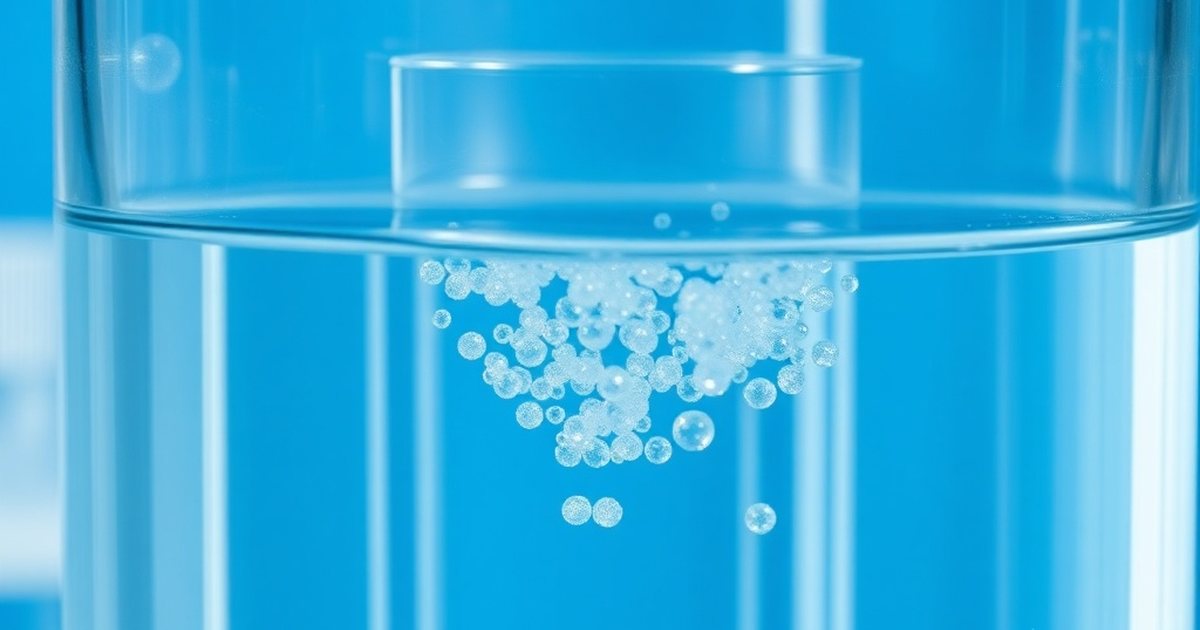
Hydrogen tablets typically combine magnesium metal with citric acid or malic acid in a compressed tablet form. When dropped into water, the magnesium reacts with water molecules to produce magnesium hydroxide and hydrogen gas (Mg + 2H2O → Mg(OH)2 + H2). The released H2 dissolves into the surrounding water before it can escape as gas, with the final concentration depending on how quickly you cap or cover the container and how cold the water is. Cold water retains dissolved gas more efficiently than warm water.
Hydrogen water machines — whether countertop pitchers, inline systems, or portable electrolysis bottles — split water molecules using a low-voltage electrical current (2H2O → 2H2 + O2). Better-quality devices use a proton exchange membrane (PEM) to direct hydrogen gas into the drinking water while venting oxygen out of the chamber, which prevents the undesirable ozone or chlorine byproducts that cheaper non-PEM electrolysis units can generate. The electrical approach can be run repeatedly from a power source, making it inherently reusable.
H2 Concentration: What Numbers Are Realistic?
The saturation point of molecular hydrogen in water at room temperature and atmospheric pressure is approximately 1.6 parts per million (ppm), or roughly 1.6 milligrams per liter. Any figure above that threshold requires either cold water, pressurized conditions during production, or very rapid consumption before off-gassing occurs. Both tablets and machines can approach this ceiling under optimal conditions, but the practical numbers in typical home use vary.
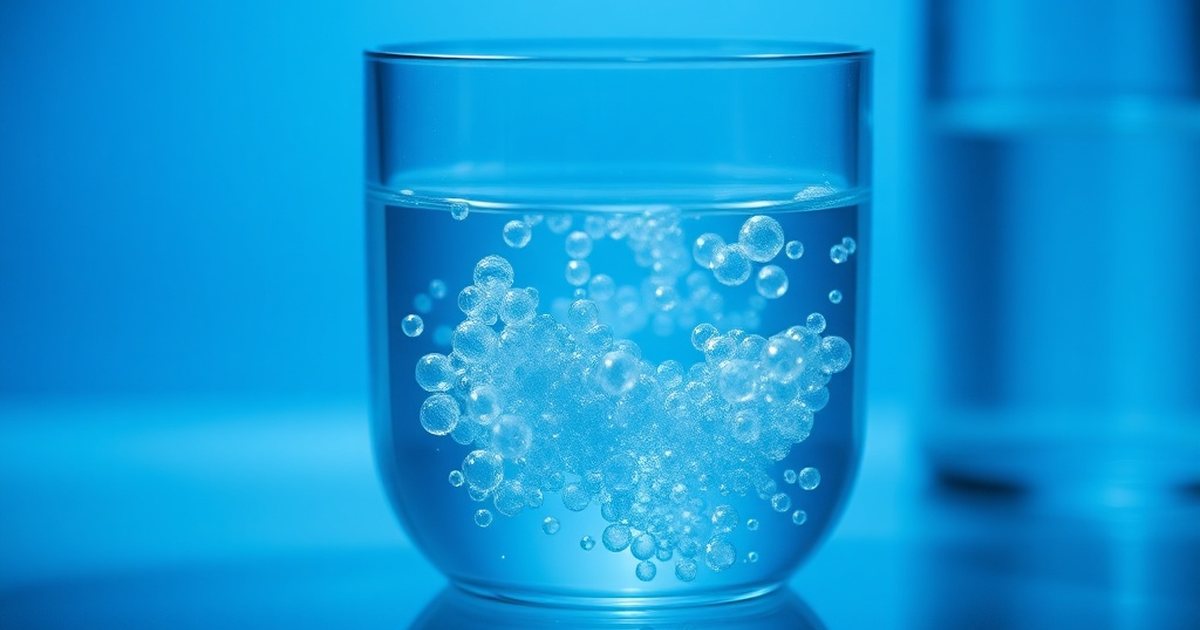
Quality hydrogen tablets dissolved in 250–400 mL of cold water in a closed container can reach concentrations in the 1.0–1.6 ppm range when consumed promptly. Machines vary considerably: entry-level electrolysis pitchers often produce 0.5–1.0 ppm, while PEM-based portable electrolysis bottles and inline systems can reach or briefly exceed saturation in a closed chamber. Independent third-party testing of specific products tells a more reliable story than manufacturer claims, and concentrations should always be measured with a dissolved hydrogen meter (H2Blue reagent drops are a common consumer option) rather than taken on marketing faith.
It is important to note that higher concentration at the point of production does not guarantee higher concentration at the point of consumption. H2 is a tiny, highly diffusive molecule that escapes through most plastics and through any air gap. A 1.4 ppm tablet solution left open in a standard glass for 30 minutes may drop below 0.5 ppm. The same loss occurs in machine-produced water. Delivery method matters less than the habits around drinking speed and container choice.
Stability and Storage: Where Tablets and Machines Diverge
One underappreciated advantage of tablets is that the H2 remains chemically inert inside the tablet until water is added — provided the tablets are kept sealed, dry, and away from humidity. A foil-blister-packed tablet sitting in your bag does not lose its hydrogen potential the way a bottle of pre-made hydrogen water does. Pre-bottled hydrogen water (canned aluminum or specialty pouches aside) loses meaningful concentration within hours to days once opened and in some cases even before opening if the container is permeable.
Hydrogen water machines produce fresh H2-enriched water on demand, which is their core stability advantage: you are always drinking a just-produced batch rather than a stored one. However, the machine itself requires maintenance — electrode cleaning, filter replacement on some models, and eventual PEM degradation over thousands of cycles. Machines that are not properly maintained can produce declining H2 output over time without any obvious outward sign to the user.
For travel or inconsistent routines, tablets offer clear convenience. For daily home use where you have a power outlet and can drink within minutes of production, a quality machine removes the per-serving cost of tablets and the variability of dissolution technique.
Cost Comparison: Per-Serving Economics
Hydrogen tablets typically carry a per-serving cost that varies widely (see Amazon for current pricing), depending on brand, quantity purchased, and whether the tablet is a single-dose or a half-tablet protocol. At a common recommendation of one to three servings per day, monthly costs scale accordingly (see Amazon for current pricing). This is a recurring, ongoing expense with no hardware investment upfront.
Hydrogen water machines have a higher upfront cost — quality PEM-based portable electrolysis bottles sit at the lower end while countertop or inline systems cost substantially more (see Amazon for current pricing) — but the per-serving marginal cost drops to near zero once purchased, aside from electricity and filter consumables. Over six to twelve months of consistent daily use, a mid-range machine typically becomes more economical than tablets, assuming it maintains H2 output through that period.
Neither format has a compelling economic argument in isolation. Tablets are the lower-risk entry point for someone new to H2 water who is not yet committed to daily use. Machines make more economic sense for someone already using H2 water daily and confident they will continue.
Practical Factors: Technique, Containers, and User Error
Both methods have failure modes that reduce effective H2 delivery. For tablets, the most common errors are using warm water (reduces solubility), using too large a container (low H2 density per mL), waiting too long before drinking (off-gassing loss), and using a container with poor sealing. The best practice is a snug-lidded glass or stainless steel container filled near the top, cold water, and consumption within five to ten minutes of full dissolution.

For machines, common failure modes include non-PEM electrolysis generating chlorine compounds in chlorinated tap water, using a machine past its effective electrode lifespan, not venting the separate oxygen chamber properly, and using wide-open vessels that allow rapid off-gassing after production. PEM machines used with filtered or low-chlorine water and consumed immediately from a tightly capped vessel perform significantly better than machines used carelessly.
The honest takeaway on user error is that a tablet used correctly can outperform a cheap machine used carelessly, and a quality machine used correctly can outperform a tablet dissolved in the wrong conditions. The format matters less than the execution.
Which Should You Choose?
Tablets are the better starting point if you want to try H2 water without a hardware commitment, travel frequently, or have inconsistent daily routines. They are also useful as a benchmark: if you are already using a machine, dissolving a quality tablet and comparing the H2 output with a drop-test kit tells you whether your machine is still performing as expected.
A quality PEM-based machine is the better long-term choice for daily home users who prioritize cost-per-serving economics and want a fresh, on-demand source without recurring supply logistics. The keyword is quality: a low-cost non-PEM electrolysis device may produce H2 water that also contains ozone or other disinfection byproducts, which is a meaningful safety concern that tablets do not share.
It is also worth noting that neither format has been directly compared in controlled clinical research for absorption or bioavailability outcomes — the molecular hydrogen research literature focuses on H2-enriched water as a category, not on the specific production method[2]. Whether a tablet-produced serving and a machine-produced serving at equal dissolved concentration produce equivalent physiological exposure is currently an open question.
🛒 Where to Buy Molecular Hydrogen
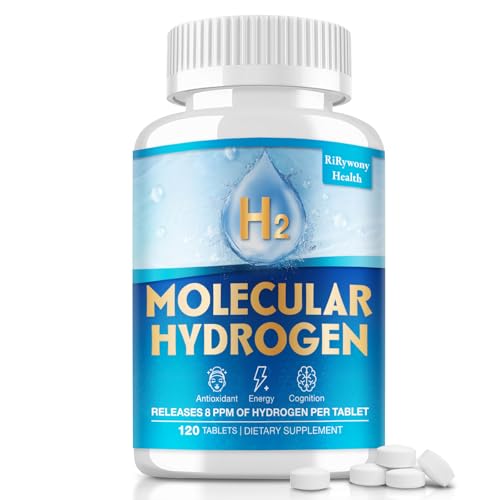
- Drink HRW Rejuvenation Molecular Hydrogen TabletsLab-tested / studied
tablets, 1 tablet per 500ml water — Research-grade effervescent tablet; developed with involvement from the Molecular Hydrogen Foundation; among the highest documented H2 output per tablet; frequently cited in community as the benchmark - Dr. Mercola Molecular Hydrogen Tablets
tablets, 2 tablets daily in water — Mass-market accessible entry point; wide distribution; uses magnesium as hydrogen carrier; good brand recognition for general wellness shoppers - Water & Wellness H2 Elite Molecular Hydrogen Tablets
tablets, 1 tablet per 16 oz water — Travel-friendly compact packaging; practical for daily carry; good entry-level tablet option for those new to H2 - Susosu Water Hydrogen-Infused Sparkling Water Pouches
liquid, 1 pouch (8 oz) — Ready-to-drink sealed aluminum pouches preserve dissolved H2; Japanese-origin brand; no dissolution required; convenient format for on-the-go use
As an Amazon Associate we earn from qualifying purchases. Molecular hydrogen quality comes down to dissolved H2 concentration, not price. Choose a product that states a specific ppm (mg/L) figure backed by third-party testing, and prefer airtight aluminum or sealed glass packaging — a vague high-concentration claim is unverifiable, and H2 escapes quickly from plastic and open containers.

A Note on the Evidence
Molecular hydrogen research is early-stage — most trials are small, short in duration, and have not been independently replicated in large US or European studies — and neither delivery format has been approved by any regulatory authority to treat, cure, or prevent any health condition. Individuals who are pregnant, have kidney disease, or take medications that interact with magnesium should consult a physician before using magnesium-based hydrogen tablets. This article is informational only and is not a substitute for medical advice.
Frequently Asked Questions
Can hydrogen tablets really produce as much H2 as a machine?
Under optimal conditions — cold water, a near-full sealed container, and prompt consumption — quality tablets can reach dissolved H2 concentrations comparable to many consumer electrolysis machines. The dissolved concentration depends more on water temperature, container size, and drinking speed than on the production method itself. Independent testing with a dissolved hydrogen meter is the only reliable way to verify what a specific tablet or machine actually delivers.
Does the production method affect how H2 is absorbed in the body?
Current research does not distinguish between H2-enriched water produced by tablets versus machines in terms of absorption or bioavailability. Studies have used a range of production methods, and the proposed mechanism — diffusion of dissolved H2 into tissues from the gastrointestinal tract — does not suggest the production source would matter provided the dissolved concentration at the time of consumption is equivalent.
How do I know if my hydrogen water actually has H2 in it?
The most accessible consumer test is the H2Blue reagent drop test, where one drop per 0.1 ppm of dissolved H2 causes a color change in a small water sample. More precise electronic H2 meters are also available. Both tablet and machine producers sometimes cite lab-tested values, but because H2 concentration can drop significantly between production and delivery, testing your own water in your own conditions gives the most relevant data.
Is there a safety concern with hydrogen tablets?
Magnesium-based hydrogen tablets produce magnesium hydroxide as a byproduct, a compound also found in milk of magnesia antacids. At typical doses (one to two tablets per day), this is considered a low-concern byproduct for most healthy adults. People with kidney conditions or those on magnesium-restricted diets should consult a physician before regular use. The H2 gas itself is regarded as physiologically inert at the concentrations produced by consumer tablets.
Do hydrogen water machines lose their output over time?
Yes. The platinum-coated electrodes and proton exchange membranes in electrolysis machines degrade with use and can produce progressively less H2 over hundreds to thousands of cycles. The rate of degradation varies by build quality and maintenance. Periodically testing your machine’s output with a drop test or H2 meter is the best way to catch declining performance before assuming the water is still effective.
Is pre-bottled hydrogen water a better option than either tablets or machines?
Aluminum cans can retain dissolved H2 reasonably well because aluminum is relatively impermeable to hydrogen gas, but the concentration at the time of drinking still depends on how quickly the can was filled after production, how it was stored, and how long ago it was packaged. Plastic bottles, including most PET and HDPE containers, allow H2 to escape within hours to days. Pre-bottled options in aluminum packaging can be a convenient alternative, but cost-per-serving is typically higher than either tablets or machines.
References
- Dhillon G et al. Hydrogen Water: Extra Healthy or a Hoax? A Systematic Review. Int J Mol Sci (2024). PMID 38256045
- Ohta S. Molecular hydrogen as a preventive and therapeutic medical gas: initiation, development and potential of hydrogen medicine. Pharmacol Ther (2014). PMID 24769081
These statements have not been evaluated by the Food and Drug Administration. This information is not intended to diagnose, treat, cure, or prevent any disease. Content is for informational purposes only and is not medical advice; consult a qualified healthcare provider before starting any supplement. As an Amazon Associate we earn from qualifying purchases.
