Molecular hydrogen (H2) is the lightest element on the periodic table, and in water science it refers to water supersaturated with dissolved H2 gas. Researchers have proposed that H2 acts as a selective antioxidant — one that preferentially neutralizes the most damaging reactive oxygen species, particularly hydroxyl radical and peroxynitrite, while leaving beneficial redox signaling largely intact. This selectivity has generated scientific interest in conditions where oxidative stress plays a significant role, including metabolic disorders like type 2 diabetes.
Type 2 diabetes is characterized by elevated blood glucose, insulin resistance, and chronic low-grade inflammation — all conditions in which oxidative stress is implicated as both a driver and a consequence of disease progression. A small but growing body of research, concentrated largely in Japan and East Asia, has begun examining whether hydrogen-rich water consumption might influence glucose metabolism markers. The evidence is early-stage, most trials are small and short, and no regulatory body has approved hydrogen water as a treatment for diabetes. What follows is an honest summary of what the preliminary science currently shows.
Key Takeaways
- A small 2008 pilot study found that drinking hydrogen-rich water daily for eight weeks was associated with improvements in HbA1c, insulin resistance markers, and oxidative stress biomarkers in people with type 2 diabetes or impaired glucose tolerance [1].
- The proposed mechanism centers on molecular hydrogen’s ability to selectively neutralize hydroxyl radicals and peroxynitrite in cells and mitochondria, potentially reducing the oxidative stress that worsens insulin resistance.
- The evidence is preliminary — trials have been small, short, and conducted primarily in Japan — and hydrogen water is not approved or recognized as a treatment for diabetes by any regulatory authority.
- Individuals with impaired glucose tolerance may represent a population of interest for future research, given the mechanistic rationale for reducing oxidative burden during the prediabetic stage.
- Hydrogen water appears safe at studied doses and is not pharmacologically classified as a drug, but it should not replace prescribed diabetes medications, diet modification, or physician-guided care.
The Oxidative Stress–Diabetes Connection
Understanding why researchers have explored hydrogen water in the context of blood sugar first requires understanding the role of oxidative stress in type 2 diabetes. In people with insulin resistance or T2D, chronically elevated blood glucose drives an overproduction of reactive oxygen species (ROS) in the mitochondria of cells. These unstable molecules damage lipid membranes, proteins, and DNA — and they directly impair insulin signaling pathways, creating a feedback loop that worsens insulin resistance over time.
The hydroxyl radical is considered among the most cytotoxic ROS and is difficult for the body’s endogenous antioxidant systems to neutralize efficiently. Molecular hydrogen’s proposed mechanism centers on its small molecular size, which allows it to diffuse freely into cells and mitochondria and selectively quench hydroxyl radicals and peroxynitrite without interfering with hydrogen peroxide or superoxide — species that the body uses for legitimate cellular signaling. This selectivity is what distinguishes H2 mechanistically from broad-spectrum antioxidant supplements, though the full picture remains under active investigation.

The 2008 Pilot Study: Hydrogen-Rich Water and Glucose Metabolism
The most directly relevant clinical evidence currently available comes from a small randomized, double-blind, placebo-controlled crossover pilot study published in Nutrition Research in 2008 [1]. Researchers enrolled 30 patients — some with confirmed type 2 diabetes and others with impaired glucose tolerance (a prediabetic state) — and assigned them to drink 900 mL per day of either hydrogen-rich water or placebo water for eight weeks, before crossing over to the alternate condition.
The results reported in that trial were encouraging but must be interpreted carefully given the small sample. In the subgroup with type 2 diabetes, participants showed improvement in glycated hemoglobin (HbA1c), a three-month average measure of blood glucose control. Markers of insulin resistance as measured by HOMA-IR also appeared to improve. Additionally, the study observed reductions in urinary 8-hydroxy-2-deoxyguanosine (8-OHdG), a biomarker of oxidative DNA damage, and improvements in HDL cholesterol profiles [1]. These findings are consistent with the hypothesis that reducing oxidative stress burden may have downstream effects on metabolic parameters.
The authors themselves characterized the study as a pilot and noted its limitations: the sample was small, the duration was only eight weeks, and the participant population was drawn from a single center in Japan. These constraints mean the findings are hypothesis-generating rather than definitive. They suggest a plausible mechanism and a potentially promising direction for future research, not an established therapeutic effect.
Proposed Mechanisms: How H2 Might Influence Insulin Sensitivity
Several interconnected mechanisms have been proposed to explain how molecular hydrogen might influence glucose metabolism, all of which remain under investigation. The primary hypothesis involves the selective neutralization of hydroxyl radicals in mitochondria, which are the sites of both energy production and a significant share of cellular ROS generation. By reducing mitochondrial oxidative stress, H2 may help preserve the integrity of insulin receptor signaling cascades that are otherwise degraded by ROS.
A secondary line of reasoning involves the role of oxidative stress in pancreatic beta-cell function. Beta cells, which produce and secrete insulin, are particularly vulnerable to oxidative damage because they express relatively low levels of antioxidant enzymes compared to other cell types. Reducing the oxidative burden these cells experience is hypothesized to support more consistent insulin secretion, though direct evidence for this specific pathway in humans is limited.
It is also worth noting that hydrogen water at the doses studied (typically 300–1,000 mL per day) does not introduce pharmacologically active compounds in the conventional sense. The H2 gas is absorbed through the gastrointestinal tract, distributes through body fluids, and is exhaled. It does not accumulate in tissues, and studies conducted to date have not identified safety concerns at these doses. This inertness profile is one reason researchers view it as a low-risk intervention to study, though it also underscores that it is not a drug and should not be treated as one.
Impaired Glucose Tolerance: A Relevant Subgroup
The 2008 study [1] enrolled not only individuals with confirmed type 2 diabetes but also those with impaired glucose tolerance (IGT) — a condition sometimes called prediabetes in which blood sugar levels are elevated but have not yet crossed the threshold for a formal T2D diagnosis. This inclusion is notable because IGT represents a critical intervention window: individuals in this state face elevated risk of progression to T2D, and interventions that reduce oxidative stress and improve insulin sensitivity during this period may have meaningful long-term implications.
The study’s IGT subgroup also showed favorable trends in metabolic markers, though the sample within that subgroup was very small. This preliminary observation aligns with the broader mechanistic argument — that reducing oxidative stress burden during the prediabetic state might help preserve beta-cell function and insulin signaling before irreversible metabolic remodeling occurs. This remains speculative and requires larger, longer-duration trials to assess meaningfully.
What Is Not Yet Known: Significant Evidence Gaps
The honest assessment of hydrogen water research in the context of blood sugar and type 2 diabetes is that the evidence base is extremely early. Only a handful of human trials have examined this topic, and almost all were conducted in Japan. The 2008 pilot study [1] involved 30 participants over eight weeks — a design adequate for safety signals and preliminary effect estimation, but insufficient to establish efficacy with confidence or to understand how effects might vary across different populations, disease severities, or diabetes medications.

There are also unresolved questions about optimal dosing, the duration of effects after discontinuation, and whether hydrogen water interacts with common diabetes medications such as metformin or insulin. Long-term effects — including whether any observed improvements in HbA1c or HOMA-IR are sustained over months or years — have not been studied. Until large, multi-center, long-duration randomized controlled trials are conducted in geographically diverse populations, hydrogen water cannot be positioned as an evidence-based intervention for blood sugar management.
It is equally important to note that hydrogen water is not classified as a drug by the U.S. Food and Drug Administration, and no health claims related to diabetes treatment or prevention are permitted under current regulatory frameworks. The research discussed here is informational and exploratory in nature.
How Hydrogen Water Products Are Typically Consumed
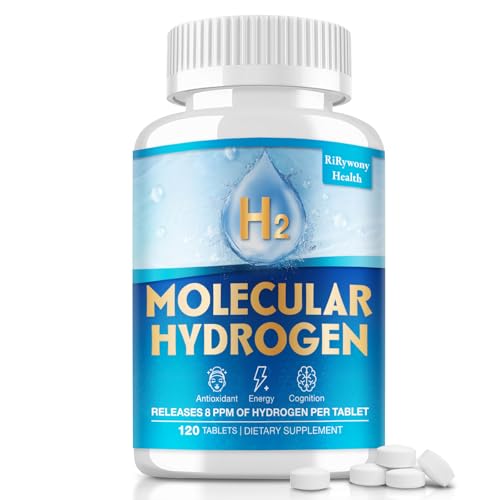
Hydrogen-rich water is available in several delivery formats: pre-packaged water bottled under pressure to maintain dissolved H2 gas, effervescent tablets that generate H2 when dissolved in water, and hydrogen water generators or electrolysis devices. The concentration of dissolved hydrogen varies considerably between products and formats, and standardization across the consumer market remains inconsistent — a meaningful limitation when trying to translate research findings to real-world product use.
The study that forms the primary basis of this article used 900 mL per day of hydrogen-rich water with a specified H2 concentration [1]. Consumer products may differ substantially in their H2 content, and products that have lost their H2 charge through improper packaging or extended storage may deliver little active H2 at all. Anyone considering hydrogen water as part of a wellness routine should look for products that provide measurable dissolved hydrogen concentrations and appropriate packaging to preserve them.
🛒 Where to Buy Molecular Hydrogen
- Drink HRW Rejuvenation Molecular Hydrogen TabletsLab-tested / studied
tablets, 1 tablet per 500ml water — Research-grade effervescent tablet; developed with involvement from the Molecular Hydrogen Foundation; among the highest documented H2 output per tablet; frequently cited in community as the benchmark - Dr. Mercola Molecular Hydrogen Tablets
tablets, 2 tablets daily in water — Mass-market accessible entry point; wide distribution; uses magnesium as hydrogen carrier; good brand recognition for general wellness shoppers - Water & Wellness H2 Elite Molecular Hydrogen Tablets
tablets, 1 tablet per 16 oz water — Travel-friendly compact packaging; practical for daily carry; good entry-level tablet option for those new to H2 - Susosu Water Hydrogen-Infused Sparkling Water Pouches
liquid, 1 pouch (8 oz) — Ready-to-drink sealed aluminum pouches preserve dissolved H2; Japanese-origin brand; no dissolution required; convenient format for on-the-go use
As an Amazon Associate we earn from qualifying purchases. Molecular hydrogen quality comes down to dissolved H2 concentration, not price. Choose a product that states a specific ppm (mg/L) figure backed by third-party testing, and prefer airtight aluminum or sealed glass packaging — a vague high-concentration claim is unverifiable, and H2 escapes quickly from plastic and open containers.
A Note on the Evidence
The research on hydrogen water and blood sugar is at an early stage — existing human trials are small, short, and predominantly conducted in Japan, and results should not be interpreted as established evidence of therapeutic benefit. Hydrogen water is not a drug, is not approved to treat or prevent diabetes, and should never be used to replace physician-prescribed medications, dietary management, or medical monitoring; anyone with type 2 diabetes, prediabetes, or related metabolic conditions should consult a qualified healthcare provider before making changes to their care routine.
Frequently Asked Questions
Has hydrogen water been clinically tested in people with type 2 diabetes?
Yes, at a small scale. A randomized, double-blind crossover pilot study published in 2008 tested 900 mL per day of hydrogen-rich water in 30 patients with type 2 diabetes or impaired glucose tolerance over eight weeks and reported improvements in HbA1c, insulin resistance (HOMA-IR), and oxidative stress markers [1]. This is considered preliminary evidence — the trial was small and short — and the findings need replication in larger studies.
Why might hydrogen water affect blood sugar levels?
The working hypothesis is indirect: molecular hydrogen is proposed to selectively neutralize hydroxyl radicals and peroxynitrite — highly damaging reactive oxygen species — in cells and mitochondria. Chronic oxidative stress is known to impair insulin signaling pathways and damage insulin-producing beta cells. By reducing this oxidative burden, H2 may help preserve normal insulin function, though this mechanism has not been definitively proven in humans.
Can hydrogen water replace diabetes medication?
No. Hydrogen water is not a medication and has not been approved or validated as a treatment for type 2 diabetes. Any person managing T2D with medication, diet, or physician guidance should not substitute or reduce their treatment based on current hydrogen water research. The available evidence is too preliminary to support any change to an established care plan without direct medical supervision.
What dose was used in the diabetes-related hydrogen water study?
The 2008 pilot study used 900 mL per day of hydrogen-rich water consumed over an eight-week period [1]. Whether lower or higher doses would produce similar, lesser, or greater effects has not been studied. Consumer products vary significantly in their dissolved hydrogen concentrations, and direct comparisons to research doses are difficult without product-specific H2 measurements.
Is hydrogen water safe for people with diabetes?
Research conducted to date has not identified safety concerns with hydrogen-rich water at studied doses, and H2 gas is exhaled from the body without accumulating in tissues. However, individuals with diabetes — particularly those on insulin or medications that affect blood glucose — should consult their physician before adding any supplement or wellness intervention to their routine, as even subtle effects on glucose or insulin sensitivity could interact with medication dosing.
What does the research say about hydrogen water and oxidative stress markers in diabetes?
The 2008 pilot study reported a reduction in urinary 8-OHdG, a biomarker of oxidative DNA damage, among participants who drank hydrogen-rich water [1]. Elevated 8-OHdG is associated with the oxidative burden seen in type 2 diabetes. This finding is consistent with the proposed antioxidant mechanism of H2, but the clinical significance of this specific marker reduction and its relationship to long-term outcomes has not been established.
References
- Kajiyama S et al. Supplementation of hydrogen-rich water improves lipid and glucose metabolism in patients with type 2 diabetes or impaired glucose tolerance. Nutrition research (New York, N.Y.) (2008). PMID 19083400
These statements have not been evaluated by the Food and Drug Administration. This information is not intended to diagnose, treat, cure, or prevent any disease. Content is for informational purposes only and is not medical advice; consult a qualified healthcare provider before starting any supplement. As an Amazon Associate we earn from qualifying purchases.
