Hydrogen-rich water (HRW) is attracting scientific attention not as a broad-spectrum immune suppressant, but as a proposed selective antioxidant. The hypothesis is mechanistically specific: molecular hydrogen (H2), being the smallest known molecule, can diffuse freely into cells and mitochondria, where it may preferentially neutralize hydroxyl radicals and peroxynitrite — two of the most cytotoxic reactive oxygen species — without disrupting the beneficial redox signals the body uses for normal cell-to-cell communication. This selectivity, if confirmed in humans at concentrations achievable by drinking hydrogen water, would distinguish H2 from conventional antioxidant supplements that can blunt adaptive oxidative responses.
The human evidence base remains early-stage. Most published trials are small, relatively short in duration, and were conducted primarily in Japanese and East Asian research settings. No regulatory agency has approved hydrogen water to treat or prevent any disease, and all efficacy claims must be understood as preliminary. What follows is an honest review of what randomized controlled trials have actually measured — not a guarantee of clinical benefit.
Key Takeaways
- Hydrogen-rich water has been tested in randomized controlled trials measuring inflammatory and oxidative stress biomarkers across metabolic syndrome [1], exercise recovery [2], high-altitude disease [3], aging [4], and cardiovascular lipid markers [5].
- The proposed mechanism — selective neutralization of hydroxyl radicals and peroxynitrite without disrupting beneficial redox signaling — is mechanistically distinct from broad-spectrum antioxidant supplementation, though its extent in humans at achievable oral doses remains under investigation.
- All published trials in this area are small to moderate in size and short to medium in duration; the evidence is preliminary and insufficient to support claims that hydrogen water treats or prevents any inflammatory disease.
- Improvements in surrogate inflammatory biomarkers, while consistently observed across several trial contexts, do not automatically translate to meaningful clinical outcomes and require replication in larger, longer, and more diverse study populations.
- Hydrogen water at studied doses is broadly regarded as safe; it is not classified as a drug, and individuals with chronic conditions should consult a healthcare provider before use.
The Proposed Mechanism: Selective Antioxidant Action and Redox Inflammation
Chronic low-grade inflammation is driven in large part by an imbalance between reactive oxygen species (ROS) production and the body’s antioxidant defenses — a condition called oxidative stress. When ROS accumulate beyond what endogenous systems can neutralize, they damage lipids, proteins, and DNA, and they activate pro-inflammatory transcription factors and cytokine release cascades. Molecular hydrogen has been proposed to interrupt this cycle early by selectively scavenging the most damaging ROS before they propagate downstream inflammatory signaling.
The selectivity argument matters because not all ROS are harmful. Superoxide, for example, is used intentionally by immune cells for pathogen killing, and hydrogen peroxide participates in growth-factor signaling. Broad antioxidant interventions risk disrupting these pathways. H2’s proposed preference for hydroxyl radicals and peroxynitrite — which have no known beneficial physiological role — represents a theoretically cleaner intervention target.
Research in redox biology has shown that certain pro-inflammatory alarmins, including interleukin-1α (IL-1α), are subject to direct redox regulation, providing a plausible molecular link between antioxidant activity and inflammatory cytokine control [6]. Whether dissolved H2 reaches the intracellular concentrations needed to exert this effect in human tissues via oral consumption is an open question. Human trials have focused on measuring circulating biomarkers — CRP, IL-6, TNF-α, malondialdehyde (MDA), superoxide dismutase (SOD) — rather than direct pathway activation, and the mechanistic work remains largely in cell and animal models.
Cardiometabolic Conditions: Metabolic Syndrome and Lipid Inflammation
Metabolic syndrome — the cluster of abdominal obesity, elevated blood pressure, high blood sugar, and dyslipidemia — is characterized by sustained systemic inflammation, making it a clinically relevant test population for anti-inflammatory interventions. A 24-week randomized controlled trial enrolled men and women with metabolic syndrome and assigned them to either high-concentration hydrogen-rich water or placebo. The HRW group showed improvements in body composition, blood lipid profiles, and inflammation biomarkers compared to placebo [1]. This is one of the longer-duration HRW trials published to date, which adds some weight to its biomarker findings, though it remains a single study requiring replication.
Vascular inflammation driven by oxidized LDL is a distinct pathway linking oxidative stress to cardiovascular risk. A double-blind, randomized, placebo-controlled trial in patients with hypercholesterolemia found that hydrogen treatment activated ATP-binding cassette transporter A1 (ABCA1)-dependent cholesterol efflux and improved high-density lipoprotein (HDL) function [5]. HDL dysfunction — distinct from simply low HDL concentration — is associated with impaired reverse cholesterol transport and elevated vascular inflammatory burden. Measuring HDL functional quality rather than just HDL quantity represents a mechanistically meaningful outcome, though an improvement in this surrogate marker is not equivalent to demonstrated reduction in cardiovascular events.

Exercise-Induced Inflammation and Recovery
Strenuous physical exercise transiently elevates both ROS production and inflammatory markers. This is a physiologically normal and largely adaptive response, but excessive post-exercise inflammation can impair recovery and training consistency. Exercise protocols that reliably generate measurable oxidative stress make useful short-window models for testing antioxidant interventions, because the inflammatory signal is predictable and time-limited.
A 2026 randomized controlled trial in physically active adults found that hydrogen-rich water (described as ‘redox water’) supplementation attenuated both exercise-induced inflammation and oxidative stress markers compared to placebo [2]. The study adds to an emerging picture of HRW as potentially relevant to recovery-focused contexts, though the sample size, specific exercise protocols used, and magnitude of effect need to be characterized in larger and more diverse cohorts before practical guidance can be offered to athletes or coaches.
High-Altitude Disease and Environmental Oxidative Stress
Hypoxic environments at high altitude generate elevated oxidative stress through impaired oxygen metabolism, and chronic high-altitude disease involves sustained systemic inflammation as part of its pathophysiology. The condition provides an environmental model of oxidative-inflammatory stress that is distinct from the lifestyle-driven inflammation of metabolic syndrome.
A double-blind, randomized, placebo-controlled trial published in 2025 examined hydrogen-rich water supplementation in patients with chronic high-altitude disease. The treatment group showed statistically significant attenuation of both oxidative stress and inflammatory markers compared to the placebo group [3]. The double-blind, placebo-controlled design is a methodological strength, and the patient population represents a well-defined oxidative stress context. That said, findings in chronic high-altitude disease patients are not directly generalizable to healthy adults living at sea level, and this remains a single trial in a specialized population.
Aging, Inflammaging, and Older Adults
Aging is associated with a chronic, low-grade inflammatory state — sometimes called ‘inflammaging’ — that has been linked to a wide range of age-related conditions including cardiovascular disease, metabolic dysfunction, and cognitive decline. Inflammatory biomarkers tend to rise with age even in the absence of acute illness, and interventions capable of modulating this baseline inflammatory burden are of significant research interest.

A randomized controlled pilot trial examined the effects of six months of hydrogen-rich water intake on molecular and phenotypic biomarkers of aging in adults aged 70 and older, reporting changes in aging-related biomarkers in the HRW group compared to controls [4]. As a pilot trial, the primary purpose was feasibility and signal detection rather than definitive efficacy demonstration. The trial duration of six months is longer than many HRW studies, which is scientifically useful, but the older adult population requires particular attention to potential interactions with medications and health conditions. These findings warrant follow-up in larger, adequately powered trials before drawing clinical conclusions.
Skin Inflammation and Emerging Applications
Keloids are fibrotic overgrowths of scar tissue driven by aberrant inflammatory and fibroblast activation following skin injury. They represent a localized, chronic inflammatory condition with limited effective treatments, making them a useful target for exploratory trials. A 2026 double-blind, randomized pilot trial investigated hydrogen-rich water therapy for keloid management and reported preliminary findings in the treatment group [7].
Mechanistically, the rationale rests on the same antioxidant-mediated anti-inflammatory hypothesis applied to a tissue-specific context. However, the pathway by which orally consumed hydrogen water reaches sufficient concentrations in dermal fibroblasts to meaningfully modulate fibrotic inflammatory signaling is not yet well characterized. This trial is best understood as hypothesis-generating — expanding the research landscape of hydrogen water into dermatology — rather than as clinical guidance. Exploratory pilot trials in aesthetics require replication in larger samples with standardized outcome measures before any conclusions can be drawn.
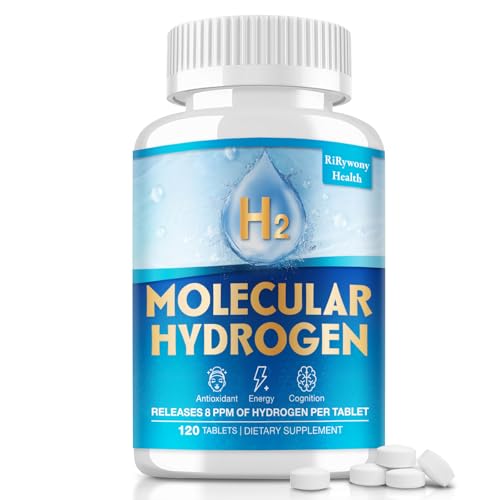
🛒 Where to Buy Molecular Hydrogen
- Drink HRW Rejuvenation Molecular Hydrogen TabletsLab-tested / studied
tablets, 1 tablet per 500ml water — Research-grade effervescent tablet; developed with involvement from the Molecular Hydrogen Foundation; among the highest documented H2 output per tablet; frequently cited in community as the benchmark - Dr. Mercola Molecular Hydrogen Tablets
tablets, 2 tablets daily in water — Mass-market accessible entry point; wide distribution; uses magnesium as hydrogen carrier; good brand recognition for general wellness shoppers - Water & Wellness H2 Elite Molecular Hydrogen Tablets
tablets, 1 tablet per 16 oz water — Travel-friendly compact packaging; practical for daily carry; good entry-level tablet option for those new to H2 - Susosu Water Hydrogen-Infused Sparkling Water Pouches
liquid, 1 pouch (8 oz) — Ready-to-drink sealed aluminum pouches preserve dissolved H2; Japanese-origin brand; no dissolution required; convenient format for on-the-go use
As an Amazon Associate we earn from qualifying purchases. Molecular hydrogen quality comes down to dissolved H2 concentration, not price. Choose a product that states a specific ppm (mg/L) figure backed by third-party testing, and prefer airtight aluminum or sealed glass packaging — a vague high-concentration claim is unverifiable, and H2 escapes quickly from plastic and open containers.
A Note on the Evidence
The trials reviewed here are predominantly small, short-duration pilot and phase-two studies conducted primarily outside the United States; the evidence base for hydrogen water as an anti-inflammatory intervention is emerging and preliminary, and it does not support claims that hydrogen water treats, prevents, or cures any disease or medical condition. Individuals who are pregnant, nursing, immunocompromised, or taking medications should consult a qualified healthcare provider before use. This article is informational only and does not constitute medical advice.
Frequently Asked Questions
What inflammatory biomarkers have been measured in hydrogen water trials?
Published trials have examined C-reactive protein (CRP), interleukin-6 (IL-6), tumor necrosis factor-alpha (TNF-α), malondialdehyde (MDA), and superoxide dismutase (SOD) activity, among others. A 24-week trial in metabolic syndrome patients reported improvements across inflammation biomarkers in the HRW group [1], and a trial in high-altitude disease patients found attenuation of oxidative stress and inflammatory markers compared to placebo [3]. These are surrogate endpoints, not direct measures of disease progression or clinical outcomes.
Can hydrogen water reduce inflammation after workouts?
A 2026 randomized controlled trial in physically active adults found that hydrogen-rich water supplementation attenuated exercise-induced inflammation and oxidative stress markers relative to placebo [2]. This suggests a potential role in post-exercise recovery contexts, but the study was limited in size and scope. Athletes should treat this as one preliminary data point among several, not as an established ergogenic aid, and should not replace established recovery practices based on this evidence alone.
Is there clinical evidence for hydrogen water in older adults?
A six-month randomized controlled pilot trial in adults aged 70 and older found changes in molecular and phenotypic biomarkers of aging in the HRW group compared to controls [4]. As a pilot trial, its role is to generate hypotheses and inform sample size calculations for future studies, not to demonstrate efficacy. Older adults considering hydrogen water should discuss it with their physician, particularly if they are managing multiple health conditions or taking medications.
How does hydrogen water compare to vitamin C or vitamin E as an anti-inflammatory antioxidant?
Conventional antioxidants like vitamins C and E scavenge ROS broadly, and high-dose supplementation may blunt adaptive responses — including some beneficial aspects of exercise-induced oxidative stress. Molecular hydrogen is proposed to act more selectively, targeting hydroxyl radicals and peroxynitrite without disrupting broader redox signaling [6]. This theoretical selectivity is one reason researchers are interested in H2, but comparative human trials directly measuring how H2 stacks up against other antioxidants on inflammatory outcomes have not yet been published.
Does hydrogen water affect cholesterol or vascular inflammation?
A double-blind, randomized, placebo-controlled trial in patients with hypercholesterolemia found that hydrogen treatment activated ABCA1-dependent cholesterol efflux and improved HDL functional quality [5]. Dysfunctional HDL is associated with impaired vascular inflammatory resolution, so this mechanistically relevant finding is of interest. However, improving a surrogate lipid marker is not equivalent to demonstrated reduction in cardiovascular events, and this result should be understood as early mechanistic signal requiring further study.
Is hydrogen water safe to consume daily?
Hydrogen water consumed as H2-enriched water or via effervescent tablets at doses studied in published trials is broadly considered inert; molecular hydrogen is a natural trace product of gut bacterial fermentation and is already present in the body in small amounts. No serious adverse events have been reported in published clinical trials, and it is not classified as a pharmaceutical. That said, it is not approved to treat any disease, and individuals managing chronic conditions should consult their healthcare provider before adding it to a daily regimen.
References
- LeBaron TW et al. The Effects of 24-Week, High-Concentration Hydrogen-Rich Water on Body Composition, Blood Lipid Profiles and Inflammation Biomarkers in Men and Women with Metabolic Syndrome: A Randomized Controlled Trial. Diabetes, metabolic syndrome and obesity : targets and therapy (2020). PMID 32273740
- Stolecka-Warzecha A et al. Redox Water Consumption Attenuates Exercise-Induced Inflammation and Oxidative Stress in Physically Active Adults: A Randomized Controlled Trial. Nutrients (2026). PMID 41754211
- Zhang Q et al. Hydrogen-rich water supplementation attenuates oxidative stress and inflammation in chronic high-altitude disease patients: A double-blind randomized placebo-controlled study. Food research international (Ottawa, Ont.) (2025). PMID 40922182
- Zanini D et al. The effects of 6-month hydrogen-rich water intake on molecular and phenotypic biomarkers of aging in older adults aged 70 years and over: A randomized controlled pilot trial. Experimental gerontology (2021). PMID 34601077
- Song G et al. Hydrogen Activates ATP-Binding Cassette Transporter A1-Dependent Efflux Ex Vivo and Improves High-Density Lipoprotein Function in Patients With Hypercholesterolemia: A Double-Blinded, Randomized, and Placebo-Controlled Trial. The Journal of clinical endocrinology and metabolism (2015). PMID 25978109
- McCarthy DA et al. Redox-control of the alarmin, Interleukin-1α. Redox biology (2013). PMID 24024155
- Kuang X et al. Exploratory Evaluation of Hydrogen-Rich Water Therapy for Keloid Management: A Double-Blinded Randomized Pilot Trial. Aesthetic plastic surgery (2026). PMID 41545661
These statements have not been evaluated by the Food and Drug Administration. This information is not intended to diagnose, treat, cure, or prevent any disease. Content is for informational purposes only and is not medical advice; consult a qualified healthcare provider before starting any supplement. As an Amazon Associate we earn from qualifying purchases.
