Radiation therapy remains one of the most effective tools in cancer treatment, but ionizing radiation inevitably damages surrounding healthy tissue alongside tumors. Much of this collateral damage is mediated by reactive oxygen species (ROS) — unstable molecules generated during treatment that injure cell membranes, DNA, and mucosal tissue, contributing to well-documented side effects such as oral mucositis, fatigue, and persistent inflammation.
Molecular hydrogen (H2), consumed as hydrogen-enriched water or via effervescent tablet, has drawn research interest as a potential supportive agent in oncology settings. Researchers propose it may selectively neutralize the most harmful ROS — particularly hydroxyl radical and peroxynitrite — without broadly suppressing the oxidative signals the immune system relies on. This article summarizes the current state of that evidence, which remains early-stage and is drawn primarily from Japanese and East Asian clinical literature.
Key Takeaways
- Radiation therapy generates hydroxyl radicals and other reactive oxygen species that damage healthy tissue, providing the core rationale for investigating hydrogen water as a supportive agent during treatment.
- A 2021 review proposed molecular hydrogen as a potentially selective radioprotective agent that may target the most cytotoxic ROS without disrupting beneficial redox signaling or interfering with tumor-directed radiation [1].
- A 2026 randomized controlled pilot study reported preliminary findings on hydrogen water gargling for oral mucositis in head and neck radiation patients — a meaningful clinical target, though pilot-scale results require larger confirmation [2].
- A 2023 systematic review found hydrogen interventions consistently well-tolerated across oncology studies, but noted trials were small, short, heterogeneous in method, and primarily based in East Asia [3].
- Hydrogen water carries no FDA-approved cancer or radiation indication; patients undergoing active treatment should consult their oncology team before adding any supplement to their regimen.
How Radiation Therapy Generates Oxidative Stress
When ionizing radiation passes through biological tissue, it interacts with intracellular water to produce reactive oxygen species, most critically the hydroxyl radical (·OH). This is among the most chemically reactive species in biology — it attacks DNA strands, oxidizes lipid membranes, and triggers inflammatory cascades in tissue adjacent to the treatment field. The theoretical appeal of a molecule that selectively targets only the most cytotoxic ROS is that it might reduce side effects without blunting the radiation’s tumor-killing mechanism.
Oxidative stress from radiation is not confined to the moment of treatment. Inflammatory cascades can persist for days to weeks afterward, contributing to delayed side effects including tissue fibrosis, prolonged mucositis, and fatigue. Understanding this timeline frames why researchers have examined interventions — including hydrogen water — that could be administered both during and after radiation courses, rather than only as a one-time acute intervention.

The Proposed Radioprotective Mechanism of Molecular Hydrogen
A 2021 review published in the International Journal of Molecular Sciences examined the case for molecular hydrogen as a clinically applicable radioprotective agent [1]. The authors outlined how H2 is theorized to work: as a small, uncharged molecule, it diffuses readily across cell membranes and into mitochondria, where radiation-induced ROS production is particularly intense. Its proposed selectivity for hydroxyl radical and peroxynitrite — rather than superoxide or hydrogen peroxide, which serve regulatory roles in cellular signaling — is cited as a key theoretical advantage over conventional antioxidant supplements that suppress ROS more broadly.
The review noted that preclinical data in animal models showed reductions in radiation-induced tissue damage when hydrogen was administered via inhalation or hydrogen-enriched water, and that early human data pointed toward reduced markers of oxidative stress and inflammation [1]. Critically, the authors also noted that no evidence of H2 interfering with the tumor-targeting effects of radiation had been reported in the literature reviewed — an important safety consideration for any strategy used alongside active cancer treatment. The review nonetheless emphasized that these findings were preliminary and that larger controlled trials were needed before any clinical conclusions could be drawn.
Clinical Pilot Data: Hydrogen Water Gargling for Oral Mucositis
Among the more clinically focused studies in this area, a randomized controlled pilot study published in Integrative Cancer Therapies in 2026 examined hydrogen water gargling in patients undergoing radiation therapy for head and neck cancer [2]. This population faces a high risk of severe oral mucositis — a painful inflammation of the mouth and throat lining that commonly disrupts treatment schedules and substantially reduces quality of life during radiation courses.
The pilot study reported preliminary findings suggesting that hydrogen water gargling was associated with outcomes related to oral mucositis severity and pain compared to control conditions [2]. As a pilot study, it was designed primarily to assess feasibility and generate early signals rather than to establish definitive efficacy. Head and neck radiation mucositis is a meaningful clinical target with limited evidence-based supportive options beyond standard oral hygiene, which makes even preliminary data in this area worth noting. Larger confirmatory trials are necessary before any recommendation could be made.
Broader Cancer Management: Findings from a Systematic Review
A 2023 systematic review published in the Asian Pacific Journal of Cancer Prevention surveyed the published literature on molecular hydrogen therapy across multiple cancer management contexts, including studies pairing hydrogen water with chemotherapy and radiation [3]. Outcomes examined included quality of life, antioxidant biomarkers, inflammatory markers, and adverse effect profiles across the included trials.
The review found that hydrogen interventions were consistently reported as safe and well-tolerated across the included studies, with no serious adverse events attributed to hydrogen water itself. Several studies reported improvements in patient-reported quality-of-life scores and reductions in oxidative stress markers [3]. However, the authors noted critical limitations across the body of evidence: most trials were small, lacked long-term follow-up, used heterogeneous hydrogen delivery methods and concentrations, and were conducted at single centers in Japan, China, or South Korea. The review called for standardized protocols and larger multicenter trials before hydrogen therapy could be considered an evidence-based supportive care option in oncology.
Antioxidants in Oncology: A Nuanced Picture
The role of antioxidant interventions during cancer treatment is not straightforward. Some reactive oxygen species contribute to the tumor-killing mechanism of both radiation and certain chemotherapy agents, which is why broad antioxidant supplementation during active treatment has been debated in oncology for decades. Research examining how ROS dysregulation affects cancer cell behavior — including work on oxidative stress responses in tumor cell lines [4] — illustrates that the relationship between oxidation and cancer biology runs in multiple directions: excessive ROS damage healthy tissue, but controlled ROS levels play roles in apoptotic signaling and immune function.
This complexity is part of why hydrogen’s proposed selectivity is scientifically interesting to oncology researchers. If the selectivity for hydroxyl radical and peroxynitrite holds under clinical conditions — which has not been definitively established in human tissue — it would theoretically permit a supportive role without the concerns that apply to broad antioxidants. This remains a hypothesis under active investigation, not an established clinical fact, and researchers continue to call for well-controlled trials designed to examine both efficacy and the question of tumor interaction.

What the Current Evidence Does and Does Not Establish
Taken together, the available evidence on hydrogen water in radiation oncology is preliminary but not without interest. Published studies consistently report the intervention as safe at studied doses, show early signals toward reduced mucositis severity and improved quality-of-life markers, and provide a plausible proposed mechanism in the form of selective ROS neutralization [1][3]. A focused randomized pilot in a high-risk radiation population adds clinical specificity to those broader observations [2].
What the evidence does not yet establish is whether hydrogen water meaningfully changes objective clinical outcomes — treatment completion rates, tumor response, survival, or mucositis severity graded by validated instruments across large populations. The existing trials are almost universally small and short-term, conducted outside the United States, and have not yet been replicated by independent research groups at scale. Molecular hydrogen products are not classified as drugs and carry no FDA-approved indication for any oncology use. Anyone considering hydrogen water during active cancer treatment should discuss it with their oncology team before use.
🛒 Where to Buy Molecular Hydrogen
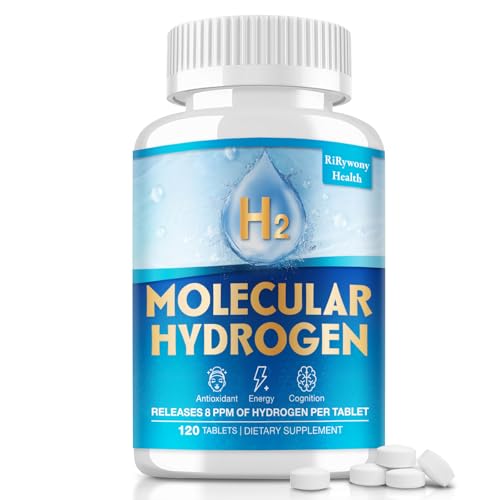
- Drink HRW Rejuvenation Molecular Hydrogen TabletsLab-tested / studied
tablets, 1 tablet per 500ml water — Research-grade effervescent tablet; developed with involvement from the Molecular Hydrogen Foundation; among the highest documented H2 output per tablet; frequently cited in community as the benchmark - Dr. Mercola Molecular Hydrogen Tablets
tablets, 2 tablets daily in water — Mass-market accessible entry point; wide distribution; uses magnesium as hydrogen carrier; good brand recognition for general wellness shoppers - Water & Wellness H2 Elite Molecular Hydrogen Tablets
tablets, 1 tablet per 16 oz water — Travel-friendly compact packaging; practical for daily carry; good entry-level tablet option for those new to H2 - Susosu Water Hydrogen-Infused Sparkling Water Pouches
liquid, 1 pouch (8 oz) — Ready-to-drink sealed aluminum pouches preserve dissolved H2; Japanese-origin brand; no dissolution required; convenient format for on-the-go use
As an Amazon Associate we earn from qualifying purchases. Molecular hydrogen quality comes down to dissolved H2 concentration, not price. Choose a product that states a specific ppm (mg/L) figure backed by third-party testing, and prefer airtight aluminum or sealed glass packaging — a vague high-concentration claim is unverifiable, and H2 escapes quickly from plastic and open containers.
A Note on the Evidence
The evidence base for hydrogen water in radiation oncology is early-stage: most published trials are small, short in duration, and conducted primarily in Japan and East Asia, with results not yet replicated at scale in large Western clinical studies. Molecular hydrogen products are not classified as drugs and carry no FDA-approved indication for cancer treatment or the management of radiation side effects; this article is informational only and does not constitute medical advice. Patients undergoing radiation therapy or any active cancer treatment should consult their oncology team before using hydrogen water or any supplement.
Frequently Asked Questions
What is hydrogen water and how is it used in oncology research?
Hydrogen water is water infused with dissolved molecular hydrogen (H2) gas, typically consumed as a beverage or produced via effervescent tablet. In oncology research settings it has been studied both as a drink alongside chemotherapy or radiation and, in one pilot study, as a gargle solution for patients experiencing radiation-induced mouth and throat side effects [2]. Hydrogen concentrations and delivery methods vary across studies, which complicates direct comparisons between trials.
Why would hydrogen water be relevant specifically to radiation side effects?
Radiation generates hydroxyl radical — among the most reactive and tissue-damaging species in biology. Molecular hydrogen is proposed to selectively neutralize hydroxyl radical and peroxynitrite without suppressing other ROS that serve useful cellular signaling roles [1]. This theoretical selectivity is appealing in oncology because broad antioxidant use during radiation treatment has raised concerns about potentially blunting the therapy’s tumor-killing mechanism.
What did the oral mucositis pilot study find?
A 2026 randomized controlled pilot study examined hydrogen water gargling in head and neck cancer patients receiving radiation and reported preliminary findings related to mucositis severity and pain [2]. Pilot studies are designed to establish feasibility and generate early signals, not to confirm efficacy, so these results would require replication in larger, adequately powered trials before they could inform clinical guidance.
Is there a systematic review covering hydrogen therapy in cancer patients?
Yes. A 2023 systematic review in the Asian Pacific Journal of Cancer Prevention examined molecular hydrogen therapy across multiple cancer settings and found that hydrogen interventions were consistently reported as safe and well-tolerated, with preliminary signals toward quality-of-life and oxidative stress benefits [3]. The review’s authors emphasized that most included trials were small and methodologically heterogeneous, and called for standardized, larger multicenter studies before clinical recommendations could be made.
Does hydrogen water risk interfering with how radiation kills tumors?
The literature reviewed in a 2021 radioprotection analysis did not report evidence of hydrogen interfering with radiation’s tumor-targeting effects [1]. However, this remains an open scientific question rather than a settled one, and the concern is legitimate given that some ROS contribute to radiation’s mechanism of action. Patients should raise this question explicitly with their radiation oncologist before using any antioxidant-related supplement during a radiation course.
Is hydrogen water considered safe for people undergoing cancer treatment?
Across the published studies examined in a 2023 systematic review, hydrogen water was consistently reported as safe and well-tolerated with no serious adverse events attributed to it [3]. At studied doses, molecular hydrogen is broadly regarded as inert. However, tolerability in small trials is not equivalent to a clinical recommendation, and individuals undergoing active cancer treatment should always consult their oncology team before introducing any supplement, as individual treatment regimens and potential interactions must be assessed by a qualified medical professional.
References
- Hirano SI et al. Molecular Hydrogen as a Potential Clinically Applicable Radioprotective Agent. International journal of molecular sciences (2021). PMID 33925430
- Tsai HT et al. Effects of Hydrogen Water Gargling on Oral Mucositis and Pain in Head and Neck Cancer Patients: A Randomized Controlled Pilot Study. Integrative cancer therapies (2026). PMID 42338291
- Mohd Noor MNZ et al. A Systematic Review of Molecular Hydrogen Therapy in Cancer Management. Asian Pacific journal of cancer prevention : APJCP (2023). PMID 36708550
- Upadhyay S et al. Hydrogen peroxide-induced oxidative stress and its impact on innate immune responses in lung carcinoma A549 cells. Molecular and cellular biochemistry (2019). PMID 29938378
These statements have not been evaluated by the Food and Drug Administration. This information is not intended to diagnose, treat, cure, or prevent any disease. Content is for informational purposes only and is not medical advice; consult a qualified healthcare provider before starting any supplement. As an Amazon Associate we earn from qualifying purchases.
