Antioxidant supplementation has moved well beyond vitamin C and vitamin E. Three strategies drawing growing research attention are molecular hydrogen (H2) dissolved in water, glutathione supplementation or its precursors, and NAD+ precursors such as NMN or NR. Each targets oxidative stress by a different mechanism, operates at a different point in cellular biochemistry, and carries a different evidence base. Understanding how they differ matters before choosing one — or combining them.
This article compares the proposed mechanisms of hydrogen water, glutathione, and NAD+ as antioxidant strategies. It draws only on published peer-reviewed evidence where available and is transparent about the limits of that evidence. None of this constitutes medical advice, and none of these substances is approved by the FDA to treat or prevent any disease.
Key Takeaways
- Glutathione, NAD+, and hydrogen water address oxidative stress through distinct mechanisms: endogenous antioxidant replenishment, upstream gene-expression support, and selective cytotoxic-ROS scavenging, respectively.
- Glutathione influences antioxidant capacity beyond direct radical scavenging, with transcriptome-level regulation of antioxidant gene networks observed in human liver cell research [1].
- NAD+ acts indirectly as an antioxidant by enabling sirtuin and PARP activity, supporting DNA repair and Nrf2-mediated antioxidant gene transcription — not by neutralizing free radicals itself.
- Hydrogen water’s proposed selective neutralization of hydroxyl radical and peroxynitrite has preclinical support [2], but human evidence remains small-scale, short-duration, and not yet replicated in large controlled trials.
- The Keap1/Nrf2 pathway is a shared convergence point where all three strategies exert some influence, representing a central node in cellular antioxidant defense [3][4].
What Is Oxidative Stress and Why Antioxidant Strategy Matters
Oxidative stress occurs when reactive oxygen species (ROS) — molecules such as superoxide, hydrogen peroxide, hydroxyl radical, and peroxynitrite — accumulate faster than the cell can neutralize them. Chronic or excessive oxidative stress is associated with metabolic dysfunction, cardiovascular changes, neurodegeneration, and accelerated tissue aging, though the precise causal relationships in humans are still being clarified.
A key nuance is that not all ROS are harmful. Superoxide and hydrogen peroxide serve as signaling molecules that regulate immune responses, mitochondrial biogenesis, and cell growth. Indiscriminate antioxidant supplementation that suppresses all ROS can interfere with these beneficial signals. This is why the specificity of a given antioxidant strategy — which species it targets, and how — matters both for potential efficacy and for safety.
Glutathione: The Cell's Primary Endogenous Antioxidant
Glutathione (GSH) is a tripeptide produced in virtually every cell of the body and is often described as the master endogenous antioxidant. It operates in several ways: as a direct scavenger of free radicals, as a cofactor for glutathione peroxidase enzymes that neutralize hydrogen peroxide and lipid peroxides, and as a regulator of protein function through reversible oxidation of cysteine residues (S-glutathionylation). Intracellular glutathione levels decline with age, chronic illness, and nutritional shortfalls.
At the gene-expression level, glutathione’s antioxidant influence extends broadly. Research profiling human liver cells (HepG2) found that glutathione modulates the transcription of a wide network of antioxidant-related genes, suggesting its role goes beyond simple radical scavenging to include regulation of cellular antioxidant capacity at a genomic level [1]. This transcriptome-level activity underscores why maintaining adequate GSH status may be important for overall redox homeostasis.
Oral glutathione supplementation faces a bioavailability challenge: digestive enzymes in the gut can cleave the peptide bond before absorption. N-acetylcysteine (NAC), a precursor that supplies the rate-limiting amino acid cysteine, is a commonly studied alternative that supports intracellular GSH synthesis. Liposomal glutathione formulations aim to improve delivery, though the evidence for meaningful intracellular uptake from these forms remains mixed.
NAD+: Redox Currency and Antioxidant Signaling
Nicotinamide adenine dinucleotide (NAD+) is not a classic antioxidant — it does not neutralize free radicals directly. Instead, it functions as a coenzyme in cellular energy metabolism and as a substrate for sirtuins (SIRT1–7) and poly(ADP-ribose) polymerases (PARPs). Sirtuins activated by NAD+ deacetylate and thereby activate transcription factors — including components of the Nrf2 antioxidant pathway — that upregulate endogenous antioxidant enzymes. PARPs consume NAD+ during DNA repair, creating a direct link between oxidative DNA damage and NAD+ depletion.
NAD+ levels decline with age and with conditions that chronically activate PARP, such as sustained oxidative stress. Precursors like nicotinamide riboside (NR) and nicotinamide mononucleotide (NMN) have been studied as ways to restore NAD+ pools, with early small human trials reporting increases in blood NAD+ levels. Whether restoring NAD+ translates to meaningful antioxidant benefit in healthy aging adults is an open question; the indirect mechanism — supporting the cell’s own antioxidant machinery rather than scavenging ROS directly — is both a theoretical advantage and a limitation, since effects depend on the integrity of downstream signaling.

Hydrogen Water: A Selective Scavenging Hypothesis
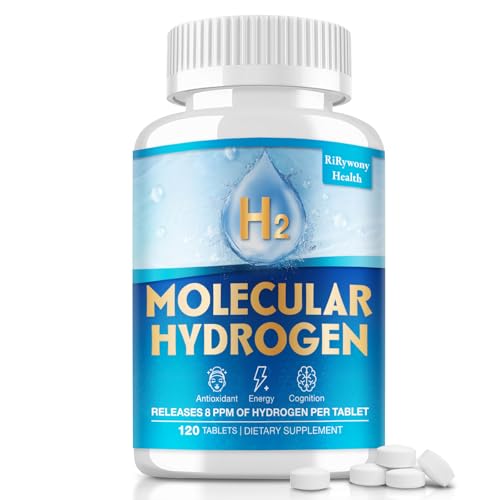
Molecular hydrogen (H2) is proposed to act as a selective antioxidant that preferentially reacts with the most cytotoxic reactive species — specifically hydroxyl radical (•OH) and peroxynitrite (ONOO⁻) — while leaving less reactive signaling molecules like superoxide and hydrogen peroxide largely undisturbed. Because hydroxyl radical is so reactive that it damages DNA, proteins, and lipids indiscriminately within nanoseconds of formation, selective neutralization at this stage is theoretically attractive.
Preclinical evidence exploring hydrogen administration continues to accumulate. A 2026 study comparing different hydrogen delivery methods found that hydrogen administration showed measurable effects on markers of cardiac injury in a rat model of radiation-induced heart disease, although the study was conducted in animals and the translation of these findings to human outcomes requires further investigation [2]. Most hydrogen water trials in humans are small in sample size, short in duration, and concentrated in Japanese and East Asian research settings; they report signals in biomarkers of oxidative stress and inflammation but have not established efficacy for any medical condition.
Hydrogen water is broadly regarded as safe at studied doses — H2 is a normal trace product of intestinal bacterial metabolism and is exhaled in small amounts — but it is not classified as a drug in the US or EU, and disease-treatment claims are not permitted.
The Nrf2 Pathway: Where These Strategies Converge
All three strategies intersect, directly or indirectly, with the Keap1/Nrf2 signaling axis. Nrf2 (nuclear factor erythroid 2-related factor 2) is a transcription factor that, when activated, upregulates a battery of cytoprotective genes — including glutamate-cysteine ligase (the rate-limiting enzyme in glutathione synthesis), heme oxygenase-1, thioredoxin, and NAD(P)H quinone oxidoreductase. Under basal conditions, Keap1 keeps Nrf2 in the cytoplasm and targets it for degradation; oxidative or electrophilic stress disrupts this interaction and allows Nrf2 to translocate to the nucleus and activate these genes.
Research using intestinal cell models and chicken gut tissue demonstrated that activating the Keap1/Nrf2 axis attenuated oxidative damage induced by lipopolysaccharide, confirming this pathway as a meaningful target for modulating cellular antioxidant response [3]. Separate work systematically screening novel electrophilic compounds identified structures capable of covalently modifying Keap1 cysteine residues to activate Nrf2, further validating this as a targetable mechanism [4]. Animal studies involving oxidative organ damage have similarly shown that compounds acting through the Nrf2 pathway can reduce markers of oxidative injury [5]. Glutathione itself is both an output of Nrf2 activation and a regulator of Nrf2 stability — a feedback relationship that links GSH status to broader antioxidant gene expression.

Hydrogen water’s potential interactions with Nrf2 have been observed in preclinical models, though the precise mechanism by which a dissolved gas modulates nuclear gene transcription is not fully established. One proposed route is that H2 reduces mitochondrial superoxide, which secondarily dampens hydrogen peroxide accumulation and modulates redox-sensitive transcription factor activity — an indirect rather than direct Nrf2 activation.
Comparing the Three Strategies: Mechanism, Evidence, and Practical Considerations
Each strategy occupies a distinct position in the antioxidant landscape. Glutathione and its precursors directly replenish the cell’s most abundant endogenous antioxidant system, with the clearest biochemical rationale and evidence extending to transcriptome-level effects [1]; the primary limitation is oral bioavailability. NAD+ precursors support upstream signaling that enables the cell to build its own defenses — including glutathione synthesis — rather than supplying antioxidants directly; human evidence for meaningful antioxidant benefit remains preliminary. Hydrogen water targets the most reactive and cytotoxic ROS with claimed selectivity, theoretically preserving beneficial redox signaling; the human evidence base is early-stage and geographically concentrated.
These approaches are not mutually exclusive. Because they act at different points in the antioxidant cascade — direct radical scavenging (H2), endogenous replenishment (GSH and precursors), and upstream gene-expression support (NAD+) — they may be complementary in principle. However, no published clinical trial has formally compared all three within the same population, and no combination has been validated for additive or synergistic benefit in humans. Choosing among them should take into account individual health status, underlying nutritional gaps, and consultation with a qualified healthcare provider.
🛒 Where to Buy Molecular Hydrogen
- Drink HRW Rejuvenation Molecular Hydrogen TabletsLab-tested / studied
tablets, 1 tablet per 500ml water — Research-grade effervescent tablet; developed with involvement from the Molecular Hydrogen Foundation; among the highest documented H2 output per tablet; frequently cited in community as the benchmark - Dr. Mercola Molecular Hydrogen Tablets
tablets, 2 tablets daily in water — Mass-market accessible entry point; wide distribution; uses magnesium as hydrogen carrier; good brand recognition for general wellness shoppers - Water & Wellness H2 Elite Molecular Hydrogen Tablets
tablets, 1 tablet per 16 oz water — Travel-friendly compact packaging; practical for daily carry; good entry-level tablet option for those new to H2 - Susosu Water Hydrogen-Infused Sparkling Water Pouches
liquid, 1 pouch (8 oz) — Ready-to-drink sealed aluminum pouches preserve dissolved H2; Japanese-origin brand; no dissolution required; convenient format for on-the-go use
As an Amazon Associate we earn from qualifying purchases. Molecular hydrogen quality comes down to dissolved H2 concentration, not price. Choose a product that states a specific ppm (mg/L) figure backed by third-party testing, and prefer airtight aluminum or sealed glass packaging — a vague high-concentration claim is unverifiable, and H2 escapes quickly from plastic and open containers.
A Note on the Evidence
The research comparing hydrogen water, glutathione, and NAD+ as antioxidant strategies is early-stage; most published trials are small, short-duration, and not yet replicated in large, diverse human populations, and none of these substances is approved to treat or prevent any disease. Individuals with chronic illness, those taking medications, and pregnant or breastfeeding individuals should consult a qualified healthcare provider before beginning any supplementation regimen.
Frequently Asked Questions
Is hydrogen water better than taking glutathione supplements?
They operate differently, so ‘better’ depends on your goal and individual context. Glutathione directly replenishes the cell’s primary endogenous antioxidant and regulates a broad network of antioxidant genes at the transcriptome level [1]. Hydrogen water is proposed to selectively target the most cytotoxic reactive species. No direct human comparison trial exists, so neither can be ranked above the other on current evidence.
Can you take hydrogen water, glutathione, and NAD+ together?
No published trial has tested this combination, so any synergistic or additive benefit is theoretical. Mechanistically, they operate at different points in the antioxidant cascade and are unlikely to directly compete. Whether the combination offers meaningful benefit beyond any single strategy in humans is unknown. Consult a healthcare provider before combining supplements.
Does hydrogen water interact with the Nrf2 antioxidant pathway?
Preclinical models suggest hydrogen may modulate redox-sensitive transcription factors, potentially including Nrf2, though the precise mechanism is not fully established. Research confirms that activating the Keap1/Nrf2 axis is a meaningful way to upregulate endogenous antioxidant enzymes [3], and that covalent Nrf2 activation is a targetable strategy [4], but definitive evidence of H2 directly triggering this pathway in humans is still lacking.
What is the current state of human evidence for hydrogen water?
Most published human trials of hydrogen water are small (typically under 50 participants), short in duration (weeks to a few months), and concentrated in Japanese and East Asian research institutions. Animal studies such as one comparing hydrogen administration methods in a radiation-induced cardiac injury model provide mechanistic hypotheses [2] but do not confirm human outcomes. The evidence base is best described as preliminary and promising, not established.
Why does NAD+ matter for antioxidant defense if it doesn't scavenge free radicals?
NAD+ is a required substrate for sirtuins, which activate transcription factors that upregulate antioxidant enzymes, and for PARPs, which repair oxidative DNA damage. When NAD+ is depleted — which occurs with age and chronic oxidative burden — these regulatory and repair systems become less effective. Restoring NAD+ pools via precursors may support the cell’s capacity to defend itself, operating upstream of both glutathione synthesis and direct radical scavenging.
Where does shilajit fit relative to these antioxidant strategies?
Shilajit contains fulvic acid, humic acid, dibenzo-alpha-pyrones, and trace minerals that have been hypothesized to support mitochondrial energy metabolism and reduce oxidative stress in preclinical models. Fulvic acid has been proposed as an electron carrier that may assist electron transport chain function. However, controlled human evidence specific to shilajit’s antioxidant activity is limited, and most mechanistic claims remain preliminary. It is not a substitute for the better-characterized strategies discussed here, but may be considered as a complementary support alongside them.
References
- Uchida Y et al. Comprehensive Transcriptome Profiling of Antioxidant Activities by Glutathione in Human HepG2 Cells. Molecules (Basel, Switzerland) (2024). PMID 38474603
- Kura B et al. Comparison of hydrogen administration methods in the treatment of radiation-induced heart disease in rats. Canadian journal of physiology and pharmacology (2026). PMID 41806364
- Chen X et al. Bacillus amyloliquefaciens Regulates the Keap1/Nrf2 Signaling Pathway to Improve the Intestinal (Caco-2 Cells and Chicken Jejunum) Oxidative Stress Response Induced by Lipopolysaccharide (LPS). Antioxidants (Basel, Switzerland) (2024). PMID 39765878
- Izumi Y et al. Screening and identification of covalent Nrf2 activators with α,β-unsaturated imide structures. Bioorganic & medicinal chemistry (2026). PMID 41130075
- Ge J et al. Comparison of antagonistic effects of nanoparticle-selenium, selenium-enriched yeast and sodium selenite against cadmium-induced cardiotoxicity via AHR/CAR/PXR/Nrf2 pathways activation. The Journal of nutritional biochemistry (2022). PMID 35331899
These statements have not been evaluated by the Food and Drug Administration. This information is not intended to diagnose, treat, cure, or prevent any disease. Content is for informational purposes only and is not medical advice; consult a qualified healthcare provider before starting any supplement. As an Amazon Associate we earn from qualifying purchases.
