Walk into any health food store and you will find shelves stocked with both hydrogen water and alkaline water, often marketed side by side with similar language about energy, hydration, and wellness. The products look similar, carry comparable price points, and their labels sometimes use overlapping buzzwords. Yet the two are fundamentally different at the molecular level — one is defined by its pH, the other by dissolved gas content — and conflating them leads to mismatched expectations and poorly informed purchases.
This article explains what hydrogen water and alkaline water each actually are, how they differ chemically, what the current scientific evidence says about both, and why the distinction matters before you spend money on either. All claims about potential health effects are framed as preliminary and emerging; neither product is approved to treat or prevent any disease, and nothing here constitutes medical advice.
Key Takeaways
- Hydrogen water and alkaline water are chemically distinct: hydrogen water contains dissolved molecular hydrogen gas (H₂) at near-neutral pH; alkaline water has elevated pH but does not inherently contain meaningful H₂ — these properties are independent.
- The proposed mechanism for hydrogen water is selective neutralization of the most cytotoxic reactive oxygen species; the mechanistic rationale for alkaline water is most supported in the context of urinary pH and uric acid kidney stone reduction [1].
- A randomized controlled trial found hydrogen-enriched water was associated with improved endurance and reduced fatigue compared to placebo [2], but the overall evidence base for both products is early-stage, small-scale, and cannot yet support broad health claims.
- Testing the pH of water does not tell you whether it contains meaningful dissolved H₂; consumers specifically interested in molecular hydrogen research should look for products that report H₂ concentration and are packaged to preserve dissolved gas.
- Neither product is approved by the FDA to treat or prevent any disease, and marketing language claiming alkaline water and hydrogen water are equivalent or interchangeable should be evaluated critically.
What Is Hydrogen Water?
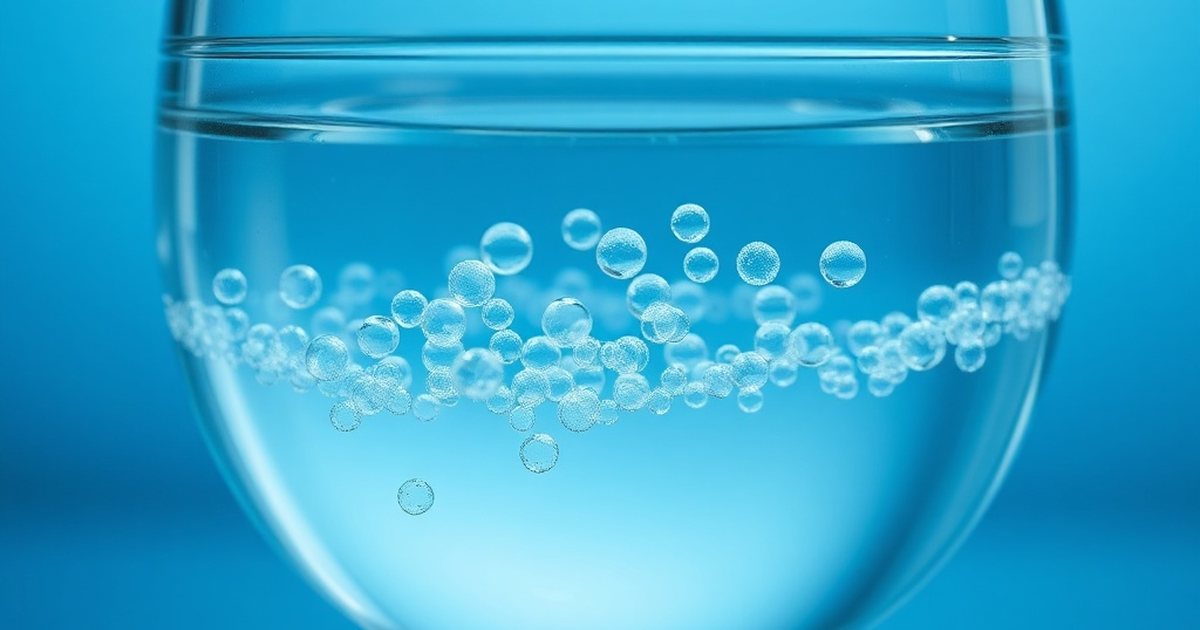
Hydrogen water is ordinary water (H₂O) that has been infused with additional dissolved molecular hydrogen gas (H₂). The key word is molecular: the hydrogen in question is not the hydrogen atoms already bonded inside water molecules, but free diatomic hydrogen gas dissolved under pressure into the liquid — conceptually similar to the way carbon dioxide is dissolved into sparkling water.
Molecular hydrogen is the smallest known molecule. Researchers investigating it as a potential therapeutic agent have proposed that its small size allows it to diffuse readily across cell membranes and into mitochondria, where it may interact with reactive oxygen species. The proposed primary mechanism is selective antioxidant activity: H₂ is hypothesized to preferentially neutralize hydroxyl radicals (•OH) and peroxynitrite (ONOO⁻), two of the most cytotoxic reactive oxygen species, while leaving other ROS that serve beneficial cell-signaling roles undisturbed. This selectivity, if confirmed, would distinguish molecular hydrogen from broad-spectrum antioxidants such as high-dose vitamin C, which act non-selectively.
Crucially, hydrogen water typically has a near-neutral pH. Adding dissolved H₂ gas does not meaningfully raise or lower the water’s pH. On a standard pH test strip, a glass of hydrogen water and a glass of plain tap water would appear essentially identical. This is the first and most important distinction from alkaline water.
What Is Alkaline Water?
Alkaline water is water with a pH above 7 — typically between 8 and 9.5. pH measures the concentration of free hydrogen ions (H⁺) in solution; a higher number means fewer free hydrogen ions and a more alkaline environment. Alkaline water achieves its elevated pH through one of three main methods: the addition of alkaline minerals such as calcium, magnesium, potassium, or bicarbonate; electrolysis via a water ionizer machine; or natural geological filtration through alkaline rock formations.
Proposed rationales for drinking alkaline water generally center on the idea that contemporary diets generate excess acid load, and that alkaline water consumption helps buffer this. Researchers in urological medicine have shown that raising urinary pH through dietary or pharmacological alkalization can reduce the formation of uric acid kidney stones [1]. It is important to be precise, however: that evidence concerns clinical alkalization protocols — not consumer alkaline water products — and the stomach’s own hydrochloric acid neutralizes most ingested alkaline water before it can meaningfully shift systemic pH in healthy individuals with intact buffering mechanisms.
Alkaline water does not inherently contain elevated levels of dissolved molecular hydrogen. Water ionizers do produce some H₂ as a byproduct of electrolysis, but concentrations are typically far lower and less stable than in products specifically engineered to deliver dissolved H₂. The presence of one property does not guarantee the presence of the other.
The Core Difference: pH Versus Dissolved Molecular Hydrogen
The single most important point in any hydrogen water vs. alkaline water comparison is this: pH and dissolved molecular hydrogen content are independent variables. A water can have high pH and minimal H₂. It can have neutral pH and substantial H₂. Or it can have both — as some ionized waters do — but each property results from a different mechanism and carries different proposed effects.
pH describes the acidic or alkaline character of a solution. Dissolved H₂ describes the concentration of a specific gas in solution. Measuring one tells you nothing about the other. A product marketed as alkaline may contain trace hydrogen from electrolysis, but it cannot meaningfully be described as hydrogen water unless H₂ concentration has been measured and is maintained at levels used in research settings — typically cited as 0.5 parts per million or higher. Similarly, hydrogen water should not be expected to raise systemic pH.
This conflation is partly a marketing problem. Phrases like ‘ionized alkaline hydrogen water’ appear on product labels and suggest that these properties reinforce each other, when in reality they are independent and require separate evaluation. A consumer who purchases alkaline water hoping for the antioxidant properties attributed to molecular hydrogen research, or hydrogen water expecting pH-related effects, may be acting on a fundamental misunderstanding of what each product delivers.
What the Research Actually Shows
Research into molecular hydrogen’s physiological effects is active, with the most substantial publication base in Japan and other East Asian countries. Most published trials are small in sample size and short in duration, and large independent replication in Western populations remains limited. These constraints mean all findings should be treated as preliminary signals rather than established conclusions.
One randomized, double-blind, placebo-controlled study found that drinking hydrogen-enriched water was associated with improved endurance performance and reduced psychometric fatigue compared to placebo [2]. Studies examining hydrogen water in the context of metabolic markers, inflammatory conditions, and exercise recovery have reported signals of interest, but no single large confirmatory trial has established hydrogen water as an effective intervention for any specific health outcome. The FDA has not approved hydrogen water to treat or prevent any disease.
The research on alkaline water is similarly sparse. The clearest mechanistically supported application of dietary alkalization relates to uric acid kidney stones, where raising urinary pH has an established rationale: uric acid is more soluble at higher pH, reducing crystallization and stone formation [1]. Broader wellness claims attributed to alkaline water — such as improving general hydration, athletic performance, or bone density — are not substantiated by robust clinical evidence.
Why the Confusion Persists — and Why It Matters
The confusion between hydrogen water and alkaline water is not accidental. Both products occupy a premium wellness niche, both involve modified water, and both attract health-conscious consumers who expect more than tap water. Marketing language frequently borrows scientific terminology — ‘antioxidant,’ ‘ionized,’ ‘micro-clustered,’ ‘alkalizing’ — across both categories, without the precision needed to distinguish what each term actually implies or what evidence supports it.

This matters for practical reasons. A consumer who purchases alkaline water specifically for antioxidant effects attributed to molecular hydrogen may receive very little of the compound they sought. The evidence bases for the two products target different proposed mechanisms and cannot be evaluated interchangeably. Anyone discussing either product with a healthcare provider should specify which type they are using and at what concentration — ‘I drink alkaline water at pH 9’ and ‘I drink hydrogen-enriched water at approximately 1 ppm H₂’ represent meaningfully different situations with different biological plausibility profiles.
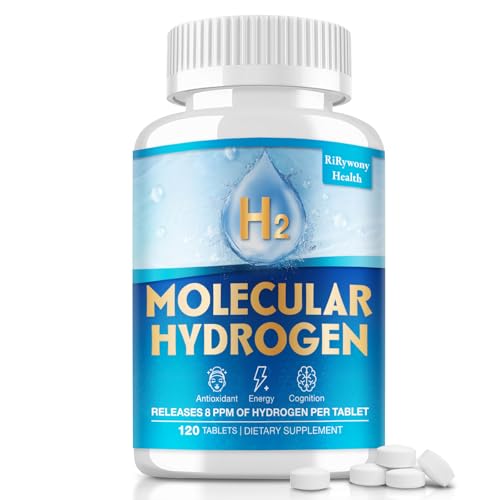
Pricing does not reliably distinguish the two categories. Alkaline water ranges from inexpensive gallon jugs to premium bottles. Hydrogen water, especially in single-serve aluminum cans or pouches engineered to preserve dissolved gas, tends toward the higher end. Effervescent hydrogen tablets — which generate H₂ via a chemical reaction when dissolved in water — represent another delivery format, though H₂ concentration and stability vary considerably by product and are often not independently verified.
Practical Considerations Before Choosing Either
If you are drawn to the proposed antioxidant properties associated with molecular hydrogen research, look specifically for products that measure and report H₂ concentration in ppm or milligrams per liter. pH alone does not indicate the presence of meaningful dissolved hydrogen. Packaging and storage matter: H₂ gas escapes from water over time, so products in unsealed or plastic containers may deliver far less than the label suggests by the time they are consumed. Aluminum cans and purpose-built pouches are designed to minimize this loss.
If you are considering alkaline water for a specific purpose — for example, a healthcare provider has discussed urinary pH in the context of kidney stone management — be aware that consumer alkaline water products vary widely in mineral composition and are not equivalent to the clinical alkalization strategies studied in the urology literature [1]. Any therapeutic goal involving urine chemistry should be managed with a physician rather than through unsupervised consumer product use.
For most healthy adults with access to clean drinking water, there is no established medical necessity for either product. The research on both remains in early stages. Enthusiasm in wellness communities often moves faster than published science, and claims of dramatic or universal benefits are not supported by the evidence currently available.
🛒 Where to Buy Molecular Hydrogen
- Drink HRW Rejuvenation Molecular Hydrogen TabletsLab-tested / studied
tablets, 1 tablet per 500ml water — Research-grade effervescent tablet; developed with involvement from the Molecular Hydrogen Foundation; among the highest documented H2 output per tablet; frequently cited in community as the benchmark - Dr. Mercola Molecular Hydrogen Tablets
tablets, 2 tablets daily in water — Mass-market accessible entry point; wide distribution; uses magnesium as hydrogen carrier; good brand recognition for general wellness shoppers - Water & Wellness H2 Elite Molecular Hydrogen Tablets
tablets, 1 tablet per 16 oz water — Travel-friendly compact packaging; practical for daily carry; good entry-level tablet option for those new to H2 - Susosu Water Hydrogen-Infused Sparkling Water Pouches
liquid, 1 pouch (8 oz) — Ready-to-drink sealed aluminum pouches preserve dissolved H2; Japanese-origin brand; no dissolution required; convenient format for on-the-go use
As an Amazon Associate we earn from qualifying purchases. Molecular hydrogen quality comes down to dissolved H2 concentration, not price. Choose a product that states a specific ppm (mg/L) figure backed by third-party testing, and prefer airtight aluminum or sealed glass packaging — a vague high-concentration claim is unverifiable, and H2 escapes quickly from plastic and open containers.

A Note on the Evidence
The evidence for both hydrogen water and alkaline water is early-stage: most published trials are small, short in duration, and conducted primarily outside the United States, and no regulatory body has approved either product to treat or prevent any disease. Anyone with a medical condition — including kidney disease, cardiovascular disease, or digestive disorders — should consult a qualified healthcare provider before altering their water intake or adding either product to their routine.
Frequently Asked Questions
Is hydrogen water the same as alkaline water?
No. Hydrogen water contains dissolved molecular hydrogen gas (H₂) and typically has a near-neutral pH. Alkaline water has an elevated pH — usually between 8 and 9.5 — but does not inherently contain meaningful levels of dissolved H₂. They differ in chemistry, proposed mechanism, and the research that exists around each.
Can alkaline water act as an antioxidant?
Some ionized alkaline water machines produce small amounts of dissolved H₂ as a byproduct of electrolysis, and researchers have suggested this may account for antioxidant activity sometimes attributed to ionized water. However, alkaline water as a product category is not defined by H₂ content, and most alkaline water products should not be assumed to deliver a physiologically meaningful dose of molecular hydrogen.
Does hydrogen water raise your blood pH?
No. Drinking hydrogen water does not meaningfully raise systemic blood pH. The body maintains blood pH within a very narrow range — approximately 7.35 to 7.45 — through tightly regulated respiratory and renal buffering. Dissolved H₂ gas does not alter the water’s pH and would not be expected to shift blood pH in healthy individuals.
What does research say about hydrogen water and exercise?
A randomized, double-blind, placebo-controlled trial found that drinking hydrogen-enriched water was associated with enhanced endurance and reduced psychometric fatigue compared to placebo [2]. This is a promising finding, but it should be considered preliminary given the small and short-duration nature of most published trials in this area.
Is alkaline water useful for kidney stones?
Research in urology has shown that raising urinary pH through alkalization can reduce the formation of uric acid kidney stones by improving uric acid solubility [1]. However, this evidence pertains to clinical alkalization protocols, not consumer alkaline water products specifically. Anyone managing kidney stone risk should do so under physician supervision rather than relying on commercial water products.
Is hydrogen water safe to drink?
Molecular hydrogen consumed as hydrogen-enriched water or via effervescent tablet is broadly regarded as inert and safe at the doses studied; H₂ gas is not toxic, and any excess is expelled through breath and skin. However, most published trials are short in duration, and long-term human safety data remains limited. Individuals with pre-existing health conditions should consult a healthcare provider before making changes to their water intake or supplementation.
References
- Cicerello E et al. Urinary alkalization for the treatment of uric acid nephrolithiasis. Archivio italiano di urologia, andrologia : organo ufficiale [di] Societa italiana di ecografia urologica e nefrologica (2010). PMID 21121431
- Mikami T et al. Drinking hydrogen water enhances endurance and relieves psychometric fatigue: a randomized, double-blind, placebo-controlled study (1). Canadian journal of physiology and pharmacology (2019). PMID 31251888
These statements have not been evaluated by the Food and Drug Administration. This information is not intended to diagnose, treat, cure, or prevent any disease. Content is for informational purposes only and is not medical advice; consult a qualified healthcare provider before starting any supplement. As an Amazon Associate we earn from qualifying purchases.
