Hydrogen water is ordinary water that has been infused with dissolved molecular hydrogen gas (H2) at concentrations above what plain tap or bottled water naturally contains. The idea that adding this odorless, tasteless gas might confer health benefits sounds unusual at first, but there is a specific proposed mechanism — one that distinguishes it from most wellness trends — and a small but growing body of research investigating it, primarily in Japan and other East Asian countries.
This article examines what hydrogen water actually is, how it differs from regular water at a chemical level, what the proposed biological mechanism involves, and what the current evidence can and cannot tell us. No evidence presented here should be taken as medical advice, and no product is being promoted as a treatment for any disease or condition.
Key Takeaways
- Hydrogen water contains dissolved molecular hydrogen gas (H2) in addition to ordinary water — the H2O molecule itself is unchanged.
- The proposed mechanism involves selective neutralization of the most damaging reactive oxygen species (hydroxyl radical, peroxynitrite) without broadly disrupting beneficial redox signaling.
- Research is early-stage: most trials are small, short, and conducted primarily in Japan and East Asia, making firm efficacy conclusions premature.
- Dissolved H2 off-gasses rapidly, so packaging and delivery method (sealed pouches, pressurized cans, or immediate-use tablets) significantly affects whether meaningful H2 remains at consumption.
- Regular water’s role in hydration is well-established and fundamental; hydrogen water, if considered, should complement adequate plain water intake, not replace it.
What Makes Hydrogen Water Different from Regular Water
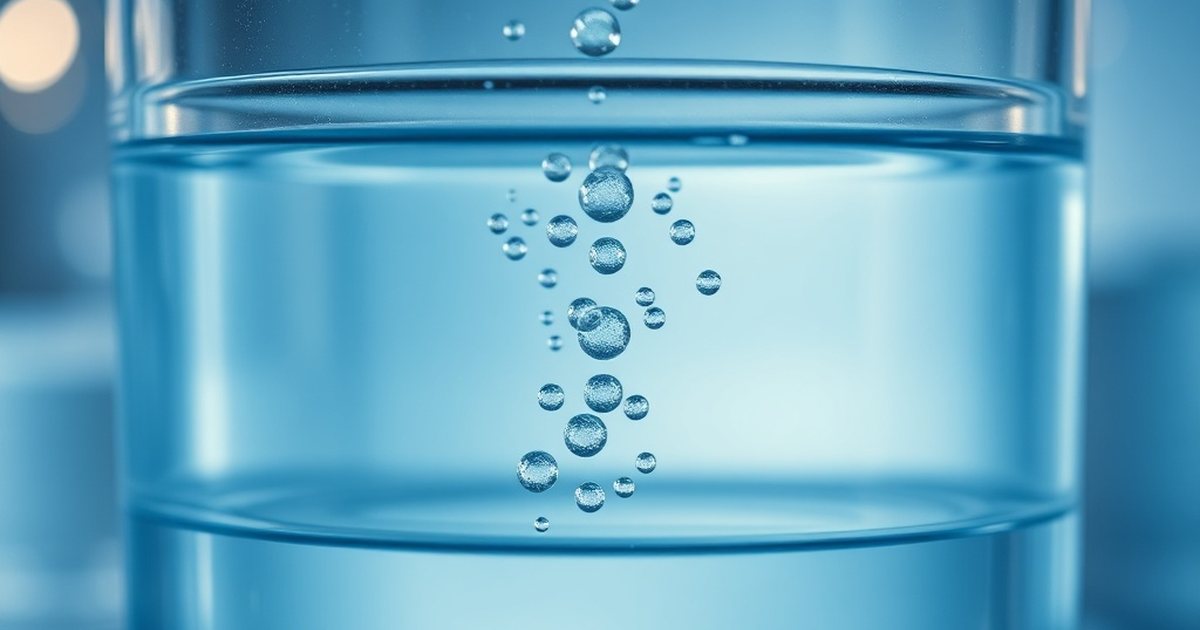
Regular water (H2O) contains hydrogen atoms chemically bonded to oxygen. Hydrogen water refers to water into which additional molecular hydrogen gas (H2) — two hydrogen atoms bonded together — has been dissolved. This dissolved H2 is not bonded to the water molecule itself; it exists as a separate dissolved gas, much like carbon dioxide dissolved in sparkling water.
The concentration of dissolved H2 in hydrogen water is typically measured in parts per million (ppm) or milligrams per liter (mg/L). Plain tap water and most bottled waters contain negligible dissolved H2. Commercial hydrogen water products typically target concentrations of 1.0 to 1.6 mg/L or higher. The dissolved gas is unstable and off-gasses over time, which is why packaging and delivery method — sealed aluminum pouches, pressurized cans, or effervescent tablets — matters significantly for whether any H2 remains by the time of consumption.
At the sensory level, there is no reliable taste or smell difference between hydrogen water and regular water at typical concentrations. The chemical composition of the water itself (H2O) is unchanged; what differs is the amount of dissolved H2 gas present.
The Proposed Mechanism: Selective Antioxidant Activity
The scientific rationale for hydrogen water centers on the concept of selective antioxidant activity. Unlike broad-spectrum antioxidants, molecular hydrogen is proposed to react preferentially with the most cytotoxic reactive oxygen species (ROS) — specifically the hydroxyl radical (•OH) and peroxynitrite (ONOO⁻) — while leaving other ROS such as hydrogen peroxide and superoxide largely intact.
This selectivity is considered important because not all ROS are harmful. Hydrogen peroxide and superoxide play roles in normal cellular signaling, immune defense, and physiological processes. A broad-spectrum antioxidant that neutralizes all ROS indiscriminately could theoretically interfere with these beneficial functions. The proposed selective action of H2 is what has driven research interest, since it suggests a mechanism that might reduce oxidative damage without disrupting normal redox biology.
Hydroxyl radicals are among the most reactive and damaging species in biological systems — they can oxidize lipids, proteins, and DNA with essentially no enzymatic defense. If dissolved H2 can react with and neutralize hydroxyl radicals in tissues, the logic goes, it might reduce cumulative oxidative damage. This hypothesis remains under active investigation, and the degree to which orally consumed H2 reaches relevant tissues at meaningful concentrations is still an open question in the literature.
What Areas of Research Have Investigated Hydrogen Water
Published research on hydrogen water has explored a range of conditions and physiological contexts, including metabolic health markers (blood glucose, lipid profiles, markers of insulin sensitivity), inflammatory conditions, neurological function, physical exercise recovery, and antioxidant biomarkers in blood and urine. The majority of this research has been conducted in Japan, with additional work from China, South Korea, and Europe.
Exercise recovery has been one of the more studied areas, with some trials examining whether hydrogen water consumption before or after exercise affects markers of muscle damage or perceived fatigue. Metabolic conditions — particularly type 2 diabetes and metabolic syndrome — have also been studied, with some trials measuring changes in lipid oxidation markers and inflammatory cytokines. Neurological applications, including early investigations into neurodegenerative conditions and cognitive function, appear in the literature as well, reflecting interest in oxidative stress as a factor in brain health.
Two controlled human studies are worth naming concretely. A randomized, double-blind, placebo-controlled crossover study in 30 patients with type 2 diabetes and 6 with impaired glucose tolerance found that 900 mL/day of hydrogen-rich water for eight weeks significantly lowered modified LDL cholesterol and small dense LDL[1], and an eight-week open-label pilot in 20 people with features of metabolic syndrome reported higher superoxide dismutase and lower urinary oxidative-stress markers, with no change in fasting glucose[2]. Both are small and short, so they describe the direction of early evidence rather than a proven advantage of hydrogen water over ordinary water.

Honest Assessment of the Evidence Quality
The evidence base for hydrogen water is early-stage by most standards used to evaluate health interventions. Many published trials are small in sample size — often fewer than 50 participants — and of short duration, typically ranging from a few weeks to a few months. Replication of findings by independent research groups in different countries remains limited. These are standard cautions applied to any emerging area of nutrition or supplement research.
Most trials to date have been conducted in East Asia, and results from any single geographic or demographic context may not generalize to all populations. Variation in trial design, dosing protocols, hydrogen concentration in test products, and outcome measures makes cross-study comparison difficult. Some trials are also industry-funded, which introduces the standard concerns about publication bias and outcome reporting that affect nutrition research broadly.
None of this means the research is fraudulent or that hydrogen water is definitively ineffective. It means the honest characterization of the evidence is ‘preliminary and insufficient to draw firm conclusions.’ The proposed mechanism is scientifically coherent, the safety profile at studied doses appears benign, but efficacy for any specific health outcome has not been established to the standards required for clinical recommendations.

Delivery Methods and Practical Considerations
How hydrogen water is consumed affects how much dissolved H2 actually reaches the body. Dissolved H2 is a gas that escapes rapidly from open containers. Pre-packaged hydrogen water in sealed aluminum pouches or pressurized cans retains H2 better than plastic bottles. Effervescent tablets that generate H2 when dissolved in water are another common delivery format, with the advantage that the water is consumed immediately after tablet dissolution, minimizing off-gassing losses.
The concentration of dissolved H2 varies significantly between products and formats, and many products on the market do not provide third-party verified H2 concentration data at the point of consumption. If evaluating hydrogen water for any purpose, the dissolved H2 concentration as consumed — not just as manufactured — is the relevant variable, and this is rarely disclosed with precision on commercial labels.
Regular water, by contrast, requires no special packaging or dissolution steps, provides essential hydration, and carries no cost premium. The baseline value of adequate hydration from regular water is well-established and not in dispute. Any consideration of hydrogen water should be framed as an addition to, not a replacement for, consistent adequate hydration with plain water.
How Hydrogen Water Relates to Shilajit and Antioxidant Support
Shilajit is a resinous substance found in high-altitude mountain ranges, composed primarily of fulvic and humic acids, trace minerals, and bioactive compounds including dibenzo-alpha-pyrones. Its proposed mechanisms involve mitochondrial energy support, trace mineral delivery, and antioxidant activity mediated in part by fulvic acid’s redox properties. Like hydrogen water, shilajit research is early-stage, with most trials small and short-duration.
The conceptual overlap between hydrogen water and shilajit lies in the antioxidant framework — both are proposed to influence oxidative stress through distinct mechanisms, one via dissolved gas and one via phytochemical and mineral constituents. Whether combining them offers any additive or synergistic benefit has not been studied, and making such claims would be speculative. Each should be evaluated on its own evidence base independently.
🛒 Where to Buy Molecular Hydrogen
- Drink HRW Rejuvenation Molecular Hydrogen TabletsLab-tested / studied
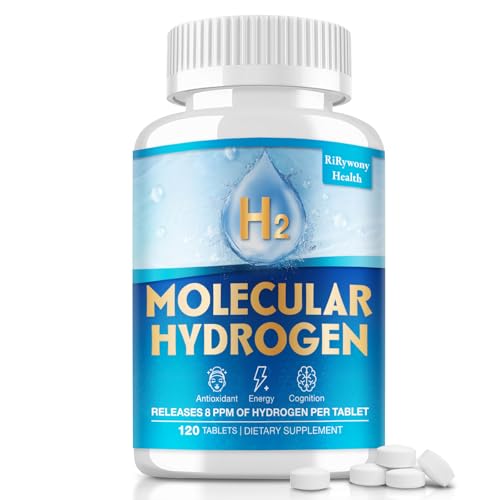
tablets, 1 tablet per 500ml water — Research-grade effervescent tablet; developed with involvement from the Molecular Hydrogen Foundation; among the highest documented H2 output per tablet; frequently cited in community as the benchmark - Dr. Mercola Molecular Hydrogen Tablets
tablets, 2 tablets daily in water — Mass-market accessible entry point; wide distribution; uses magnesium as hydrogen carrier; good brand recognition for general wellness shoppers - Water & Wellness H2 Elite Molecular Hydrogen Tablets
tablets, 1 tablet per 16 oz water — Travel-friendly compact packaging; practical for daily carry; good entry-level tablet option for those new to H2 - Susosu Water Hydrogen-Infused Sparkling Water Pouches
liquid, 1 pouch (8 oz) — Ready-to-drink sealed aluminum pouches preserve dissolved H2; Japanese-origin brand; no dissolution required; convenient format for on-the-go use
As an Amazon Associate we earn from qualifying purchases. Molecular hydrogen quality comes down to dissolved H2 concentration, not price. Choose a product that states a specific ppm (mg/L) figure backed by third-party testing, and prefer airtight aluminum or sealed glass packaging — a vague high-concentration claim is unverifiable, and H2 escapes quickly from plastic and open containers.
A Note on the Evidence
The evidence for hydrogen water’s health effects is preliminary, with most trials small and short-duration; no efficacy claim for any specific condition should be considered established. Individuals with existing health conditions, those who are pregnant or breastfeeding, or those taking medications should consult a qualified healthcare provider before adding any supplement — including hydrogen water — to their routine.
Frequently Asked Questions
Is hydrogen water safe to drink?
At concentrations used in research (typically 1.0–1.6 mg/L dissolved H2), hydrogen water is broadly regarded as inert and safe. Molecular hydrogen is already present in trace amounts in the gut as a byproduct of bacterial fermentation. No serious adverse effects have been reported in published trials, though long-term safety data are limited given the early stage of research.
Does hydrogen water taste different from regular water?
At typical concentrations, hydrogen water has no reliably detectable taste or odor difference from regular water. The dissolved H2 gas is odorless and tasteless. Some consumers report a slightly ‘softer’ sensation, but this has not been confirmed in blinded taste trials and may reflect expectation.
How long does dissolved H2 stay in hydrogen water?
Dissolved H2 begins off-gassing immediately upon opening or exposure to air. Sealed aluminum pouches and pressurized cans retain H2 better than plastic bottles. Effervescent tablets designed to be dissolved immediately before drinking minimize this loss. H2 concentration in improperly stored or open containers may fall to negligible levels within minutes to hours.
Can hydrogen water treat a disease or medical condition?
No. Hydrogen water is not classified as a drug, and disease-treatment claims are not permitted by the FDA. The research to date investigates biological markers and surrogate endpoints in small trials, not clinical outcomes in large populations. Any suggestion that hydrogen water treats, cures, or prevents a specific disease would be unsupported by the current evidence and would be a regulatory violation for a commercial product.
Is the proposed antioxidant mechanism scientifically plausible?
Yes, the mechanism is scientifically coherent. Hydroxyl radicals are among the most reactive biological oxidants, and molecular hydrogen does react with them chemically. The key open questions are whether orally consumed H2 reaches relevant tissues at sufficient concentrations to produce measurable effects in humans, and whether those effects translate to meaningful health outcomes — questions the current trial literature has not definitively answered.
How does hydrogen water compare to other antioxidant supplements?
The proposed distinguishing feature of H2 is selectivity — reacting primarily with the most cytotoxic ROS rather than broadly neutralizing all reactive species, including those involved in beneficial signaling. Conventional antioxidants like vitamins C and E act more broadly. Whether this selectivity advantage translates to superior clinical outcomes in humans has not been demonstrated in head-to-head trials, and the comparison remains theoretical at this stage of research.
References
- Kajiyama S et al. Supplementation of hydrogen-rich water improves lipid and glucose metabolism in patients with type 2 diabetes or impaired glucose tolerance. Nutr Res (2008). PMID 19083400
- Nakao A et al. Effectiveness of hydrogen rich water on antioxidant status of subjects with potential metabolic syndrome-an open label pilot study. J Clin Biochem Nutr (2010). PMID 20216947
These statements have not been evaluated by the Food and Drug Administration. This information is not intended to diagnose, treat, cure, or prevent any disease. Content is for informational purposes only and is not medical advice; consult a qualified healthcare provider before starting any supplement. As an Amazon Associate we earn from qualifying purchases.
