Molecular hydrogen (H2) has been well tolerated in most published human trials, with no serious or irreversible harms attributed to it to date. That is not the same as no side effects. In a 2026 randomized, blinded, placebo-controlled trial of hydrogen-rich water, adverse events were reported by more participants taking hydrogen than placebo, 50% versus 37%, with dizziness the most common [1]. The research is still maturing, quality control across products varies widely, and certain groups, including anyone using insulin, should be cautious before using it.
What the Research Says
Molecular hydrogen has been studied in humans across a range of delivery methods: hydrogen-rich water, inhalation, hydrogen baths, and hydrogen-infused saline administered intravenously in clinical settings. The overall safety profile in these studies has been favorable, and dedicated safety studies back that up. Eight healthy adults who breathed 2.4% hydrogen in air continuously for 24 to 72 hours had no clinically significant adverse effects across vital signs, pulmonary function testing, ECG, neurological examination and blood chemistry [2]. A randomized controlled trial of 3% hydrogen gas in 50 patients with acute cerebral infarction reported no significant adverse effects [3].
It is worth being precise about what that does and does not mean. “No serious harm reported” is a narrower statement than “no effects”. Trials do record adverse events, and they are not always fewer on hydrogen: in a ten-centre randomized trial in COPD exacerbation, adverse events were reported in 63% of the hydrogen/oxygen group and 78% of the oxygen control group with no deaths [4], while the placebo-controlled hydrogen-rich water trial above recorded more on hydrogen than on placebo [1]. Here is what the current evidence indicates about specific safety considerations:
Common Side Effects
In clinical trials and controlled studies the side effects reported have been mild and self-limiting, though not always rare, and the specific complaint varies by delivery method: dizziness led the list in the hydrogen-rich water trial above [1]. The most commonly noted include:
- Loose stools or mild gastrointestinal discomfort, particularly with high-volume hydrogen-rich water consumption
- Mild bloating, which some users attribute to dissolved gas in water
- Occasional reports of headache in early use, though causality is unclear
These effects tend to be self-limiting and resolve without intervention.
Dosing Safety
There is no established universal safe dose for molecular hydrogen supplementation, partly because effective concentrations vary by delivery method. Research has generally used hydrogen-rich water at concentrations between 0.5 and 1.6 parts per million (ppm), consumed once or twice daily. Inhalation studies have used low-concentration H2 gas (typically 1-4% mixed with air) under controlled conditions. Exceeding these ranges outside of medical supervision is not well-studied and is not advisable.
Drug and Supplement Interactions
Formal interaction studies are sparse, but one interaction is documented rather than theoretical. In a trial of hydrogen-enriched water in mitochondrial and inflammatory myopathies, the only adverse effect recorded across both the open-label and the double-blind crossover arms was hypoglycemic episodes in an insulin-treated patient with MELAS, which resolved when the insulin dose was reduced [5]. If you use insulin or another glucose-lowering medication, treat that as a reason to monitor your blood glucose and to speak to your prescriber before starting, not as a reason to adjust a dose on your own.
Hydrogen’s proposed mechanism, selective antioxidant activity, raises a separate theoretical concern that it could interfere with chemotherapy or radiation therapy that relies on oxidative stress to destroy cancer cells. A 2024 pilot study did combine hydrogen gas inhalation with concurrent chemoradiotherapy in 10 patients with locally advanced head and neck cancer and found it feasible and safe across 33 sessions, with no adverse events attributed to the hydrogen itself [6]. But that study was designed to test feasibility and safety, not whether tumour control was affected, so it does not settle the interference question. Anyone undergoing cancer treatment should not use molecular hydrogen without oncologist approval. Beyond the insulin signal above, formal interaction studies with common medications have not been done, so an absence of reported interactions reflects an absence of study rather than a clean record.
Pregnancy and Special Populations
No adequate human safety data exists for pregnant or breastfeeding individuals. Absent that data, avoidance is the prudent choice. Safety data for children is similarly limited.
Product Quality and Contamination Concerns
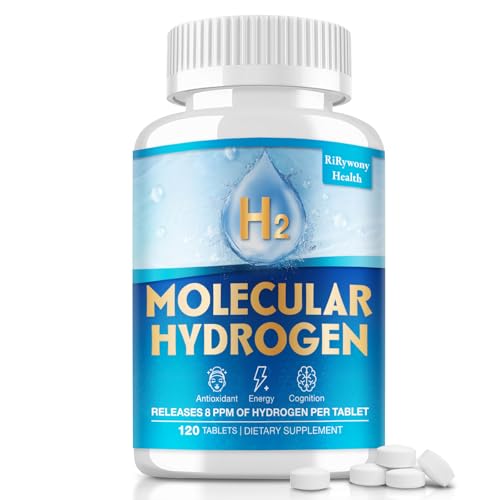
This is arguably the most underappreciated safety issue. The molecular hydrogen supplement market is loosely regulated. Hydrogen-generating tablets, electrolysis devices, and pre-bottled hydrogen water vary considerably in actual H2 concentration and in the purity of what else they may introduce into your water. Some magnesium-based tablets, for instance, can affect water alkalinity significantly. Poorly manufactured electrolysis devices may introduce trace metals or other byproducts. Purchasing from manufacturers who provide independent third-party testing is a meaningful harm-reduction step.
What Real Users Report
Controlled trials measure biomarkers and clinical scores. They do not capture what daily use actually feels like, and that gap is where most of the internet’s hydrogen commentary lives.
We have not run a systematic survey of user reports, and we are not going to invent one. What follows is a description of the patterns that recur in public supplement discussion generally, offered as context for what you are likely to encounter elsewhere. None of it is evidence of effect:
- Reported benefits tend to cluster around energy and recovery. A common theme in hydrogen supplement communities is users describing improved energy levels, reduced post-exercise soreness, and better sleep quality. These are subjective reports and difficult to distinguish from placebo effects without controlled conditions.
- Digestive complaints appear with some regularity. Users who consume hydrogen-rich water in large quantities sometimes describe loose stools or stomach gurgling, consistent with what clinical trial participants have also noted.
- Skepticism about product claims is present even among enthusiasts. Longer-tenured users in supplement communities often caution newer members about marketing exaggeration, particularly around tablet-based H2 products, questioning whether the actual dissolved hydrogen concentration matches label claims.
- A minority report no noticeable effect. Honest community threads regularly include users who tried hydrogen water for weeks and noticed nothing. That is consistent with a research literature in which several controlled trials found no clinical effect at all: the myopathy crossover trial recorded “no objective clinical effects” [5], and a randomized, double-blinded, placebo-controlled crossover trial of hydrogen inhalation in Parkinson’s disease did not significantly influence any clinical parameter [7].
If you want peer-grounded user reports specific to molecular hydrogen, communities like r/Nootropics and r/Supplements contain relevant threads worth reading directly before forming an opinion.
Who Should Be Cautious
- People undergoing chemotherapy or radiation therapy, theoretical concern that antioxidant effects could reduce treatment efficacy; always consult your oncologist first
- Pregnant or breastfeeding individuals, no adequate safety data exists
- Children, insufficient pediatric safety data
- People with chronic kidney disease, changes in water mineral content from some products may be relevant; consult a nephrologist
- People using insulin or other glucose-lowering medication, hypoglycemic episodes requiring an insulin dose reduction were recorded in an insulin-treated trial participant [5]; monitor blood glucose and speak to your prescriber first
- Anyone on multiple medications, interactions have not been adequately studied; discuss with a pharmacist or physician
- People with a history of hydrogen gas sensitivity or respiratory conditions, relevant primarily for inhalation methods
- Anyone buying cheap, unverified products, the risk here is less about H2 itself and more about what else an unregulated product might contain
FAQ
Can molecular hydrogen cause any serious harm?
Based on the published human research available so far, no serious or irreversible harms have been attributed to molecular hydrogen. Milder adverse events are reported, though, and not always less often than on placebo: a placebo-controlled trial of hydrogen-rich water logged adverse events in 50% of the hydrogen group versus 37% of the placebo group, dizziness most commonly [1]. One trial also recorded hypoglycemic episodes in a participant treated with insulin, which resolved after the insulin dose was reduced [5]. Long-term safety data beyond a few months is limited, and the absence of documented serious harm is not the same as a confirmed clean bill of health over years of use. Most researchers characterize the short-term safety profile as reassuring, while calling for longer studies.

Is inhaling hydrogen gas dangerous?
Hydrogen gas is flammable at concentrations above about 4% in air. Clinical inhalation studies have used concentrations at or below this threshold with no reported safety incidents. Attempting to inhale hydrogen from unregulated or DIY sources at higher concentrations introduces both fire risk and the risk of oxygen displacement. If you are considering H2 inhalation, only use a properly designed device intended for that purpose, and do so only after talking to a clinician.
Can you take too much molecular hydrogen?
There is no established toxicity threshold for molecular hydrogen in humans. Because H2 is a small, freely diffusing gas, excess amounts are exhaled rather than accumulating in tissues. That said, this does not mean unlimited consumption of hydrogen-rich water or extended high-dose inhalation has been proven safe, it simply means overt toxicity from H2 itself has not been demonstrated at the doses studied. Drinking very large volumes of any water carries its own risks (hyponatremia) independent of the hydrogen content.
Are hydrogen water tablets safe compared to electrolysis devices?
Both methods carry product-quality risks rather than inherent molecular hydrogen risks. Magnesium-based tablets react with water to produce H2 but also raise water pH and add magnesium, which may matter for people with kidney concerns. Electrolysis devices can introduce impurities if the electrodes are low quality. Neither is inherently safer than the other in absolute terms, the quality and transparency of the specific manufacturer matters more than the method category. Look for products with published third-party testing and clear specification of actual dissolved H2 concentration.
References
- Zhang F et al. Does Hydrogen-Rich Water Reduce Oxidative Stress in Patients with Chronic Mountain Sickness? A Randomized, Blinded, Controlled Trial. High Alt Med Biol (2026). PMID 41371770
- Cole AR et al. Safety of Prolonged Inhalation of Hydrogen Gas in Air in Healthy Adults. Crit Care Explor (2021). PMID 34651133
- Ono H et al. Hydrogen Gas Inhalation Treatment in Acute Cerebral Infarction: A Randomized Controlled Clinical Study on Safety and Neuroprotection. J Stroke Cerebrovasc Dis (2017). PMID 28669654
- Zheng ZG et al. Hydrogen/oxygen therapy for the treatment of an acute exacerbation of chronic obstructive pulmonary disease: results of a multicenter, randomized, double-blind, parallel-group controlled trial. Respir Res (2021). PMID 33985501
- Ito M et al. Open-label trial and randomized, double-blind, placebo-controlled, crossover trial of hydrogen-enriched water for mitochondrial and inflammatory myopathies. Med Gas Res (2011). PMID 22146674
- Chitapanarux I et al. Pilot Feasibility and Safety Study of Hydrogen Gas Inhalation in Locally Advanced Head and Neck Cancer Patients. Onco Targets Ther (2024). PMID 39493677
- Hirayama M et al. Inhalation of hydrogen gas elevates urinary 8-hydroxy-2′-deoxyguanine in Parkinson’s disease. Med Gas Res (2018). PMID 30713666
This article is for informational purposes only and does not constitute medical advice. Consult a qualified clinician before starting any new supplement, particularly if you have an existing health condition or take medications.
The user-experience section describes patterns commonly seen in public supplement discussion and is not drawn from a systematic survey; it is not evidence of effect. Individual experiences vary and are not medical advice. Consult a healthcare professional before starting or stopping any supplement.
These statements have not been evaluated by the Food and Drug Administration. This information is not intended to diagnose, treat, cure, or prevent any disease. Content is for informational purposes only and is not medical advice; consult a qualified healthcare provider before starting any supplement. As an Amazon Associate we earn from qualifying purchases.
