Molecular hydrogen (H2) has attracted growing scientific interest for its proposed role as a selective antioxidant — one that may neutralize particularly damaging reactive oxygen species without broadly suppressing the body’s normal redox signaling. While the research is still early-stage and most studies have been conducted in cell cultures, animal models, or small human trials primarily in Japan and East Asia, a modest body of literature is beginning to examine whether hydrogen-based approaches could have relevance for joint conditions such as rheumatoid arthritis and osteoarthritis.
This article surveys that emerging evidence honestly. It does not claim that hydrogen water treats, cures, or prevents any disease — that determination has not been made by regulatory bodies. Rather, it walks through the proposed biological rationale, what specific studies have observed, and what the meaningful limits of that evidence are for anyone researching this topic.
Key Takeaways
- Molecular hydrogen (H2) is proposed to selectively neutralize hydroxyl radical and peroxynitrite — the most cytotoxic reactive oxygen species implicated in joint tissue damage — without disrupting beneficial immune redox signaling, though this mechanism has not been confirmed in large human joint disease trials.
- A 2016 animal model study found H2 slowed RA progression by reducing oxidative stress markers in joint tissue [1], but human clinical trial evidence specifically in rheumatoid arthritis remains very limited.
- Experimental research on hydrogen-releasing nanoenzymes and injectable hydrogen-generating fibers in osteoarthritis models shows early mechanistic promise [2][3]; these are laboratory findings, not consumer therapies.
- Hydrogen sulfide (H2S) and molecular hydrogen (H2) are distinct compounds with separate research bodies [4][5] — findings about one should not be used to make claims about the other.
- A 2026 evidence review of molecular hydrogen in musculoskeletal conditions concluded that the published human trial base is currently too small and short in duration to support firm clinical conclusions [6].
Oxidative Stress and Joint Inflammation: The Proposed Target
In rheumatoid arthritis, the synovial joint environment becomes chronically inflamed. Immune cells flood the joint space and in doing so generate large quantities of reactive oxygen species (ROS) — chemically reactive molecules that can damage cartilage, synovial tissue, and bone when produced in excess. Among these, hydroxyl radical (·OH) and peroxynitrite (ONOO⁻) are considered especially cytotoxic because they react indiscriminately with lipids, proteins, and DNA.
Molecular hydrogen is proposed to act selectively against these two species rather than neutralizing all ROS broadly. This selectivity matters because some ROS, such as hydrogen peroxide and superoxide at low concentrations, play necessary roles in immune signaling. A broad antioxidant might interfere with those functions; the hypothesis is that H2 would not. This proposed mechanism is plausible at the biochemical level but remains under active investigation, and has not been confirmed through large-scale human trials in joint disease.
Animal Model Research on Molecular Hydrogen and Rheumatoid Arthritis
The most directly relevant published study in this area found that molecular hydrogen slowed the progression of rheumatoid arthritis in an animal model by inhibiting oxidative stress [1]. The research, published in the American Journal of Translational Research in 2016, suggested that H2 reduced markers of oxidative damage in joint tissue. As with all preclinical research, these findings establish biological plausibility rather than clinical efficacy — animal models of RA do not perfectly replicate the disease as it presents in humans, and effects seen in animal subjects frequently do not translate directly to human outcomes.
A 2026 evidence-based review of molecular hydrogen therapy across musculoskeletal conditions concluded that while existing preclinical data offers a rationale for further investigation, the human trial evidence in joint disease specifically remains limited in both scale and duration [6]. The reviewers noted that most published work consisted of small trials with short follow-up periods, making it difficult to draw firm conclusions about long-term benefit or safety in clinical populations.
Hydrogen-Based Approaches to Osteoarthritis: Emerging Delivery Research
Separate from hydrogen-enriched water consumed orally, researchers have begun exploring ways to deliver molecular hydrogen directly to joint tissue using engineered materials. One 2025 study demonstrated that a spontaneous hydrogen-releasing nanoenzyme, applied in an osteoarthritis model, reduced markers of oxidative stress and helped reverse signs of mitochondrial dysfunction in cartilage cells [2]. Another 2024 study developed injectable short fibers designed to generate hydrogen in situ within a joint, showing reductions in oxidative burden in an osteoarthritis model [3].
These approaches are experimental and do not represent anything currently available as a consumer product or approved therapy. Their significance here is that they add mechanistic evidence suggesting hydrogen can reach joint microenvironments and that its antioxidant activity may produce measurable effects on cartilage tissue under inflammatory conditions. Whether orally consumed H2-enriched water achieves sufficient tissue concentration to produce analogous effects in human joints is a separate question that has not been established by published research.

Hydrogen Sulfide: A Related but Distinct Compound with Its Own Joint Research
It is worth distinguishing molecular hydrogen (H2) from hydrogen sulfide (H2S), a separate gaseous signaling molecule that has also been studied in the context of joint disease. These are chemically different compounds with different mechanisms of action. Research examining hydrogen sulfide has found roles in modulating inflammatory pathways relevant to joint conditions [4], and one earlier study observed effects of hydrogen sulfide-containing mineral water on antioxidant enzyme activity in blood cells from patients with rheumatoid arthritis in an in vitro setting [5].
The distinction matters because some wellness claims or marketed products conflate these molecules, and because natural mineral springs historically used for joint conditions often contain H2S rather than H2. The scientific evidence for each compound needs to be evaluated independently. Neither has a robust human clinical trial record specifically in rheumatoid arthritis, and findings from one cannot be applied to claims about the other.
Inflammation Pathways: The Broader Biological Context
Beyond hydrogen-specific studies, a broader body of research on oxidative stress and joint inflammation helps frame why antioxidant strategies are being explored. Studies examining antioxidant interventions in inflamed tissue have identified PI3K/Akt/NF-κB and MAPK signaling pathways as key mediators of inflammatory damage in joint-relevant contexts [7] — well-characterized pathways that also appear dysregulated by oxidative stress in RA synovium. Separately, research on macrophage behavior in inflamed tissue has highlighted efferocytosis — the clearance of dead and damaged cells by immune macrophages — as a process whose disruption can sustain and amplify joint inflammation [8].

Molecular hydrogen has not been directly tested against these specific mechanisms in human joint tissue. These studies are referenced here to illustrate the inflammatory biology that hydrogen-based researchers propose to target, not to imply that H2 water has been demonstrated to affect these pathways in clinical settings.

What Current Evidence Can and Cannot Tell Us
The aggregate picture from available research is this: there is a plausible biochemical rationale for why molecular hydrogen might be of interest in inflammatory joint conditions, supported by preclinical animal work and a small number of experimental delivery studies [1][2][3]. A recent musculoskeletal review has begun to synthesize this literature but noted that rigorous human clinical trials in joint disease are lacking [6].
Hydrogen-enriched water consumed orally is broadly regarded as safe at studied concentrations and is not classified as a drug. However, the distance between preclinical evidence and demonstrated clinical benefit in human patients with RA or osteoarthritis has not been closed in the published literature. Anyone considering hydrogen water as part of a wellness routine should understand that it is not a substitute for disease-modifying treatments under the care of a rheumatologist, and that current evidence does not position it as a standalone intervention for managing inflammatory joint disease.
🛒 Where to Buy Molecular Hydrogen
- Drink HRW Rejuvenation Molecular Hydrogen TabletsLab-tested / studied
tablets, 1 tablet per 500ml water — Research-grade effervescent tablet; developed with involvement from the Molecular Hydrogen Foundation; among the highest documented H2 output per tablet; frequently cited in community as the benchmark - Dr. Mercola Molecular Hydrogen Tablets
tablets, 2 tablets daily in water — Mass-market accessible entry point; wide distribution; uses magnesium as hydrogen carrier; good brand recognition for general wellness shoppers - Water & Wellness H2 Elite Molecular Hydrogen Tablets
tablets, 1 tablet per 16 oz water — Travel-friendly compact packaging; practical for daily carry; good entry-level tablet option for those new to H2 - Susosu Water Hydrogen-Infused Sparkling Water Pouches
liquid, 1 pouch (8 oz) — Ready-to-drink sealed aluminum pouches preserve dissolved H2; Japanese-origin brand; no dissolution required; convenient format for on-the-go use
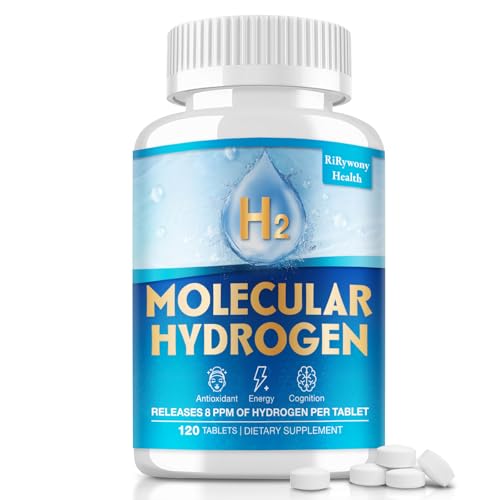
As an Amazon Associate we earn from qualifying purchases. Molecular hydrogen quality comes down to dissolved H2 concentration, not price. Choose a product that states a specific ppm (mg/L) figure backed by third-party testing, and prefer airtight aluminum or sealed glass packaging — a vague high-concentration claim is unverifiable, and H2 escapes quickly from plastic and open containers.
A Note on the Evidence
The evidence discussed here is predominantly preclinical — drawn from animal models, cell cultures, and small experimental studies — and has not been replicated in large, well-controlled human trials for rheumatoid arthritis or osteoarthritis. People with inflammatory joint conditions should consult their rheumatologist before making any changes to their treatment plan; this article is informational only and does not constitute medical advice.
Frequently Asked Questions
Has molecular hydrogen water been tested in humans with rheumatoid arthritis?
Human clinical trial data specifically in rheumatoid arthritis patients is very limited. A 2026 evidence-based review of molecular hydrogen across musculoskeletal conditions noted that most published research consists of preclinical work or small, short-duration trials, and called for more rigorous human studies before conclusions can be drawn [6]. The most direct preclinical evidence in RA comes from an animal model study showing reduced oxidative markers in joint tissue [1].
What is the proposed mechanism by which H2 might help with joint inflammation?
Molecular hydrogen is hypothesized to act as a selective antioxidant, targeting hydroxyl radical and peroxynitrite — reactive oxygen species overproduced in inflamed joints that cause direct tissue damage — while leaving lower-level redox signals the immune system uses for normal function largely intact. This mechanism has been explored primarily in animal and cell-culture models of RA [1] and is chemically plausible, but confirmation in human joint tissue through controlled trials has not been published.
What is the difference between hydrogen water and hydrogen sulfide mineral baths sometimes used for arthritis?
Molecular hydrogen (H2) and hydrogen sulfide (H2S) are chemically distinct compounds with different biological actions. Natural mineral springs historically associated with joint health often contain H2S, which has its own research record in inflammatory joint conditions [4][5]. H2-enriched water is a separate product. Evidence about one compound does not transfer to the other, and both remain under investigation rather than being established therapies.
Are there experimental forms of hydrogen delivery for joints beyond drinking H2 water?
Yes, though all are experimental. Researchers have developed hydrogen-releasing nanoenzymes shown to reduce oxidative stress and reverse signs of mitochondrial dysfunction in osteoarthritis models [2], as well as injectable short fibers engineered to generate hydrogen in situ within a joint environment [3]. These technologies exist in laboratory research settings and are not available as consumer products or approved clinical treatments.
Is hydrogen water safe to consume?
Molecular hydrogen at concentrations found in H2-enriched water or effervescent tablet preparations is broadly regarded as inert and safe at studied doses. It is not classified as a drug by the FDA, and no serious adverse effects have been documented in the small published trials. This should not be interpreted as a regulatory health claim. Safety in specific populations — such as people with autoimmune conditions taking immunosuppressive medications — has not been formally evaluated in published literature.
Should someone with RA replace their prescribed treatment with hydrogen water?
No. Rheumatoid arthritis is a serious autoimmune disease that causes progressive joint destruction if inadequately treated. Disease-modifying antirheumatic drugs and biologics have strong evidence from large clinical trials. Hydrogen water has no equivalent human evidence base in RA and cannot be positioned as a replacement for prescribed treatment. The research summarized here is preliminary and should be read as early-stage scientific interest, not as clinical guidance [6].
References
- Meng J et al. Molecular hydrogen decelerates rheumatoid arthritis progression through inhibition of oxidative stress. American journal of translational research (2016). PMID 27830032
- Wang Q et al. Spontaneous hydrogen-releasing nanoenzyme alleviates osteoarthritis via oxidative stress reduction and mitochondrial dysfunction reversal. Journal of nanobiotechnology (2025). PMID 41076526
- Pang L et al. In-situ hydrogen-generating injectable short fibers for osteoarthritis treatment by alleviating oxidative stress. Acta biomaterialia (2024). PMID 39293567
- Burguera EF et al. Hydrogen Sulfide and Inflammatory Joint Diseases. Current drug targets (2017). PMID 27572743
- Grabski M et al. [Hydrogen sulfide water balneum effect on erythrocyte superoxide dismutase activity in patients with rheumatoid arthritis–in vitro study]. Przeglad lekarski (2004). PMID 15850338
- Jeyaraman N et al. Molecular hydrogen therapy in musculoskeletal conditions: An evidence-based review and critical analysis. World journal of orthopedics (2026). PMID 41608485
- Wang S et al. Triple Cross-linked Dynamic Responsive Hydrogel Loaded with Selenium Nanoparticles for Modulating the Inflammatory Microenvironment via PI3K/Akt/NF-κB and MAPK Signaling Pathways. Advanced science (Weinheim, Baden-Wurttemberg, Germany) (2023). PMID 37740428
- Wang H et al. Activating Macrophage Continual Efferocytosis via Microenvironment Biomimetic Short Fibers for Reversing Inflammation in Bone Repair. Advanced materials (Deerfield Beach, Fla.) (2024). PMID 38706203
These statements have not been evaluated by the Food and Drug Administration. This information is not intended to diagnose, treat, cure, or prevent any disease. Content is for informational purposes only and is not medical advice; consult a qualified healthcare provider before starting any supplement. As an Amazon Associate we earn from qualifying purchases.
