Non-alcoholic fatty liver disease (NAFLD) now affects an estimated quarter of the global adult population, making it the most prevalent chronic liver condition worldwide. At its core, NAFLD involves fat accumulation in liver cells — a process closely tied to insulin resistance, low-grade inflammation, and chronic oxidative stress. As the condition progresses, unchecked oxidative damage can tip fatty liver toward more serious forms including non-alcoholic steatohepatitis (NASH) and fibrosis.
Molecular hydrogen (H₂) — the smallest and lightest molecule in existence — has attracted growing research attention as a selective antioxidant. Unlike broad antioxidant supplements, H₂ is theorized to neutralize specifically the most damaging reactive oxygen species, particularly hydroxyl radicals and peroxynitrite, without interfering with normal redox signaling that cells need to function. A modest but growing body of clinical and preclinical research has begun examining whether hydrogen-rich water or other H₂-delivery formats might support liver health in people with NAFLD. What follows is a careful summary of what that emerging evidence shows — and what remains genuinely unknown.
Key Takeaways
- Two small randomized controlled trials found that hydrogen-rich water was associated with improvements in liver enzyme profiles and, in one trial, reduced liver fat accumulation in NAFLD patients — but both trials were pilot-scale and short-term [1] [2].
- The proposed mechanism centers on selective neutralization of hydroxyl radicals and peroxynitrite inside hepatocytes and mitochondria, without disrupting normal redox signaling — a key theoretical distinction from conventional antioxidants.
- A 2023 study linked H₂ supplementation to changes in CoQ10 status and platelet mitochondrial bioenergetics in NAFLD patients, suggesting a mitochondrial pathway may be involved beyond simple ROS scavenging [3].
- Preclinical data indicates H₂ may influence the gut microbiome and bile acid pathways implicated in NAFLD, though this finding requires human replication before any conclusions can be drawn [4].
- All current findings are preliminary; molecular hydrogen is not an approved treatment for NAFLD or any liver condition, and no existing evidence supports using it as a replacement for established care.
NAFLD, Oxidative Stress, and the Rationale for Antioxidant Investigation
In a healthy liver, reactive oxygen species (ROS) are produced as a natural byproduct of metabolism and are managed by endogenous antioxidant systems. In NAFLD, this balance tips: excess free fatty acids in hepatocytes fuel elevated ROS production while antioxidant defenses become overwhelmed. The resulting oxidative stress drives lipid peroxidation, mitochondrial dysfunction, inflammatory cytokine release, and ultimately, hepatocyte death — each step capable of accelerating disease progression.
One antioxidant pathway of particular relevance is the Nrf2/ARE axis, a master regulator of cellular antioxidant response. Research across various liver-injury models has shown that activating this pathway can meaningfully reduce hepatocyte damage from oxidative insults [5]. While those studies involve different compounds, they illustrate why interventions capable of modulating oxidative stress in liver tissue are being investigated — including molecular hydrogen.
The gut-liver axis adds another layer of complexity. Gut dysbiosis — an imbalance in intestinal microbial communities — has been identified as a contributing factor in NAFLD progression, in part because disrupted microbiomes promote intestinal permeability, increased endotoxin translocation to the liver, and worsened insulin resistance [6]. Interventions that address both hepatic oxidative stress and gut health are therefore of heightened interest in this space.
How Molecular Hydrogen May Act in Liver Cells: Proposed Mechanisms
Molecular hydrogen is proposed to work primarily by selectively quenching hydroxyl radicals (•OH) and peroxynitrite (ONOO⁻), two of the most cytotoxic ROS implicated in liver injury. Because H₂ is a small, neutral, lipid-permeable molecule, it can diffuse rapidly across cell membranes and into mitochondria — the main site of ROS generation in hepatocytes. This diffusion is thought to be facilitated in part by aquaporin water channels, which are expressed on hepatocyte membranes and may permit hydrogen passage alongside water molecules [7].
Unlike vitamin C or vitamin E, molecular hydrogen does not appear to scavenge signaling ROS such as hydrogen peroxide at physiological concentrations. This means it may reduce damaging oxidative stress without blunting the beneficial redox signals that cells rely on for normal function — a selectivity that preclinical researchers frequently cite as differentiating H₂ from conventional antioxidant supplementation. Whether this selectivity translates meaningfully in human liver tissue is a central open question in the field.
Clinical Trials in NAFLD: Liver Enzymes and Fat Accumulation
Two randomized controlled trials represent the most directly relevant human evidence on hydrogen-rich water and NAFLD. In a 2019 pilot RCT, patients with NAFLD who consumed hydrogen-rich water over a 24-week period showed reductions in liver fat accumulation as assessed by imaging, along with improvements in liver enzyme profiles including ALT and AST, compared to a control group [1]. The authors framed these as encouraging preliminary signals while noting the small sample size and the clear need for larger confirmatory trials.
A subsequent placebo-controlled trial published in 2022 examined the biological effects of hydrogen water in a separate NAFLD cohort [2]. Results again pointed toward improvements in oxidative stress markers and liver-related parameters in the hydrogen group compared to placebo, with modest effect sizes. The researchers explicitly called for replication in larger, more diverse populations before drawing clinical conclusions.
Both trials were small, short in duration, and conducted outside the United States — important limitations when interpreting any emerging signal. Neither established that hydrogen-rich water treats, cures, or prevents NAFLD. The findings provide a basis for further investigation, not a basis for clinical recommendation, and should be understood as such.
Mitochondrial Function and CoQ10: An Emerging Connection
Mitochondrial dysfunction is both a cause and consequence of NAFLD progression. Damaged mitochondria generate more ROS while producing less ATP, creating a self-reinforcing cycle of oxidative stress and energy deficit in liver cells. Coenzyme Q10 (CoQ10), a lipid-soluble antioxidant synthesized in mitochondria, plays a central role in the electron transport chain and in mitochondrial antioxidant defense.
A 2023 study examined the effects of adjuvant molecular hydrogen therapy on endogenous CoQ10 levels and platelet mitochondrial bioenergetics in NAFLD patients [3]. The findings suggested that H₂ supplementation was associated with changes in CoQ10 status and markers of mitochondrial energy metabolism. Because platelets were used as a proxy for systemic mitochondrial function rather than direct liver biopsy data, the findings carry methodological constraints — but they add a plausible mitochondrial dimension to the broader H₂ and liver research picture and suggest the mechanism may extend beyond simple radical scavenging.
Gut Microbiome and Bile Acid Pathways: Preclinical Evidence
A 2024 preclinical study introduced a novel hydrogen-rich formulation — hydrogen-rich coral calcium — and examined its effects in a methionine-and-choline-deficient (MCD) diet model of NAFLD in rodents, a commonly used model for inducing NASH-like liver changes [4]. The study found that the hydrogen-rich formulation altered gut microbiome composition and bile acid synthesis patterns, with accompanying improvements in liver histology measures compared to untreated MCD animals.

This is notable because it positions molecular hydrogen as potentially influencing NAFLD through the gut-liver axis — not solely through direct hepatocyte antioxidant effects. Bile acids regulate fat digestion and absorption and serve as signaling molecules between the gut and liver; shifts in bile acid metabolism can meaningfully affect hepatic lipid handling. The gut dysbiosis–insulin resistance–NAFLD relationship is well characterized [6], and preclinical evidence suggesting H₂ may modulate this pathway is an interesting hypothesis for future human trials. Rodent data does not translate directly to humans, and this finding remains preliminary and hypothesis-generating.
Acetaminophen-Induced Liver Injury: A Related Research Line
Beyond NAFLD, at least one recent study has examined molecular hydrogen in the context of drug-induced liver injury. A 2026 preclinical investigation found that H₂ mitigated acetaminophen-induced liver injury in diabetic mice and appeared to enhance the hepatoprotective effects of N-acetylcysteine (NAC), which is the standard medical intervention for acetaminophen overdose [8]. The proposed mechanism involved attenuation of oxidative stress and inflammatory cascades in liver tissue.
This is a preclinical animal finding and should not be interpreted as a recommendation for any human use in acetaminophen toxicity, where established and time-sensitive medical interventions exist. It does, however, broaden the mechanistic rationale for investigating H₂ across different forms of oxidative liver injury and suggests potential adjunctive roles that may warrant formal human evaluation in the future.
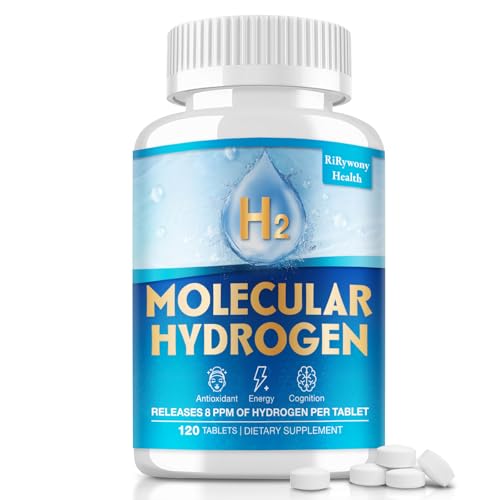
🛒 Where to Buy Molecular Hydrogen
- Drink HRW Rejuvenation Molecular Hydrogen TabletsLab-tested / studied
tablets, 1 tablet per 500ml water — Research-grade effervescent tablet; developed with involvement from the Molecular Hydrogen Foundation; among the highest documented H2 output per tablet; frequently cited in community as the benchmark - Dr. Mercola Molecular Hydrogen Tablets
tablets, 2 tablets daily in water — Mass-market accessible entry point; wide distribution; uses magnesium as hydrogen carrier; good brand recognition for general wellness shoppers - Water & Wellness H2 Elite Molecular Hydrogen Tablets
tablets, 1 tablet per 16 oz water — Travel-friendly compact packaging; practical for daily carry; good entry-level tablet option for those new to H2 - Susosu Water Hydrogen-Infused Sparkling Water Pouches
liquid, 1 pouch (8 oz) — Ready-to-drink sealed aluminum pouches preserve dissolved H2; Japanese-origin brand; no dissolution required; convenient format for on-the-go use
As an Amazon Associate we earn from qualifying purchases. Molecular hydrogen quality comes down to dissolved H2 concentration, not price. Choose a product that states a specific ppm (mg/L) figure backed by third-party testing, and prefer airtight aluminum or sealed glass packaging — a vague high-concentration claim is unverifiable, and H2 escapes quickly from plastic and open containers.
A Note on the Evidence
The available evidence on molecular hydrogen and liver health consists largely of small pilot trials, most conducted in East Asia over short durations, and findings have not yet been replicated in large, long-term studies; hydrogen water is not an FDA-approved treatment for NAFLD or any liver condition, and this article is informational only — not medical advice. Individuals with liver disease, those taking hepatotoxic or prescription medications, or those managing conditions such as diabetes should consult a qualified healthcare provider before using hydrogen water products.

Frequently Asked Questions
What does the research actually show about hydrogen water and NAFLD?
Two placebo-controlled trials found that consuming hydrogen-rich water over 12–24 weeks was associated with improvements in liver enzyme levels (ALT, AST) and, in one trial, reduced liver fat accumulation compared to control groups [1] [2]. These are small pilot-level studies conducted outside the United States, and their results should be considered early-stage signals rather than established findings.
Why might molecular hydrogen be relevant to liver health specifically?
The liver is one of the most metabolically active organs and a major site of ROS production. Hepatocytes express aquaporin channels that may facilitate H₂ diffusion into cells [7], and mitochondria — densely concentrated in hepatocytes — are thought to be a primary site of H₂ action. The selective hydroxyl radical scavenging H₂ is proposed to perform is particularly relevant in NAFLD, where hydroxyl radical-driven lipid peroxidation is a central driver of disease progression.
Can hydrogen water help with non-alcoholic fatty liver disease?
Current evidence is too early-stage to make a definitive claim. Existing trials show encouraging signals in liver biomarkers and fat content, but they are small, short-term, and not yet replicated in larger US-based populations [1] [2]. No regulatory body has approved hydrogen water for NAFLD treatment. People with NAFLD should work with their healthcare provider on evidence-based interventions including dietary changes, exercise, and weight management.
Does molecular hydrogen affect the gut microbiome in liver disease?
In a preclinical study using a rodent NAFLD model, a hydrogen-rich formulation altered gut microbiome composition and bile acid synthesis, with associated improvements in liver histology [4]. The gut-liver axis — including the role of gut dysbiosis in driving insulin resistance and NAFLD — is a well-recognized area of research [6]. This preclinical finding is an interesting mechanistic lead, but human data are currently lacking.
Is hydrogen water safe for people with liver conditions?
Molecular hydrogen consumed as hydrogen-rich water or via effervescent tablets is broadly regarded as inert and safe at studied doses, and no serious adverse effects were reported in the NAFLD trials reviewed [1] [2]. That said, individuals with existing liver disease, those taking hepatotoxic medications, or those with comorbid conditions should consult their physician before adding any supplement, as individual circumstances and potential drug interactions are not fully characterized in this research.
How does molecular hydrogen compare to other antioxidants studied for liver support?
The proposed advantage of H₂ over conventional antioxidants is its selectivity — theoretically targeting only the most destructive ROS rather than interfering broadly with redox biology. Other antioxidant compounds have demonstrated hepatoprotective effects in various models by activating pathways such as Nrf2/ARE [5], but direct comparative trials between H₂ and established antioxidants in NAFLD populations have not been published. No definitive comparison can currently be made.
References
- Korovljev D et al. Hydrogen-rich water reduces liver fat accumulation and improves liver enzyme profiles in patients with non-alcoholic fatty liver disease: a randomized controlled pilot trial. Clinics and research in hepatology and gastroenterology (2019). PMID 30982748
- Kura B et al. Biological Effects of Hydrogen Water on Subjects with NAFLD: A Randomized, Placebo-Controlled Trial. Antioxidants (Basel, Switzerland) (2022). PMID 36290657
- Sumbalová Z et al. The Effect of Adjuvant Therapy with Molecular Hydrogen on Endogenous Coenzyme Q(10) Levels and Platelet Mitochondrial Bioenergetics in Patients with Non-Alcoholic Fatty Liver Disease. International journal of molecular sciences (2023). PMID 37569850
- Wu HT et al. A Novel Antioxidant, Hydrogen-Rich Coral Calcium Alters Gut Microbiome and Bile Acid Synthesis to Improve Methionine-and-Choline-Deficient Diet-Induced Non-Alcoholic Fatty Liver Disease. Antioxidants (Basel, Switzerland) (2024). PMID 38929185
- Wang P et al. Hepatoprotective effect of 2'-O-galloylhyperin against oxidative stress-induced liver damage through induction of Nrf2/ARE-mediated antioxidant pathway. Food and chemical toxicology : an international journal published for the British Industrial Biological Research Association (2017). PMID 28213291
- Bellucci E et al. Novel therapeutic approaches based on the pathological role of gut dysbiosis on the link between nonalcoholic fatty liver disease and insulin resistance. European review for medical and pharmacological sciences (2023). PMID 36930488
- Bernardino RL et al. Hepatocyte and Sertoli Cell Aquaporins, Recent Advances and Research Trends. International journal of molecular sciences (2016). PMID 27409609
- Kamimura N et al. Molecular hydrogen mitigates acetaminophen-induced liver injury and enhances the effects of N-acetylcysteine in diabetic mice. The Journal of nutritional biochemistry (2026). PMID 41207540
These statements have not been evaluated by the Food and Drug Administration. This information is not intended to diagnose, treat, cure, or prevent any disease. Content is for informational purposes only and is not medical advice; consult a qualified healthcare provider before starting any supplement. As an Amazon Associate we earn from qualifying purchases.
