Metabolic syndrome — a cluster of conditions including elevated blood sugar, abnormal cholesterol, excess abdominal fat, and high blood pressure — affects hundreds of millions of people worldwide and substantially raises the risk of type 2 diabetes and cardiovascular disease. Researchers, primarily in Japan and East Asia, have been investigating whether hydrogen-enriched water consumed as electrolyzed water or via effervescent tablets might offer any measurable benefit to people with this cluster of conditions.
Molecular hydrogen (H2) is proposed to act as a selective antioxidant, primarily neutralizing the hydroxyl radical and peroxynitrite — among the most reactive and damaging oxidant species — without disrupting beneficial redox signaling that the body relies on. The evidence base remains early-stage: most published trials are small, short in duration, and conducted predominantly outside the United States. What follows is an honest summary of what that literature currently shows, and where meaningful uncertainty remains.
Key Takeaways
- Multiple small-to-moderate randomized controlled trials and at least three recent systematic reviews and meta-analyses suggest hydrogen-rich water may modestly improve lipid profiles — particularly triglycerides and LDL — in people with metabolic syndrome.
- A proposed mechanism involves hydrogen activating the ABCA1 cholesterol efflux transporter, potentially improving HDL function [1], and selectively neutralizing the most cytotoxic reactive oxygen species without disrupting beneficial redox signaling.
- Evidence for blood sugar and body composition effects is more limited; glycemic data from current trials does not support strong conclusions about efficacy for blood sugar management.
- The evidence base is early-stage: trials are generally small, short in duration, and concentrated in East Asian research centers, which limits generalizability to other populations.
- Hydrogen water consumed at studied doses is broadly regarded as safe and physiologically inert; it is not classified as a drug, and no disease-treatment claims are approved by regulatory agencies.
Metabolic Syndrome and the Role of Oxidative Stress
Metabolic syndrome is not a single disease but a constellation of metabolic abnormalities — typically defined by the co-occurrence of central obesity, elevated fasting blood glucose, high triglycerides, low HDL cholesterol, and elevated blood pressure. Each component independently elevates cardiovascular risk; together they compound it substantially.
Oxidative stress — an imbalance between reactive oxygen species (ROS) production and the body’s antioxidant defenses — is widely recognized as a driver of metabolic dysfunction. Excess ROS can impair insulin signaling, promote lipid oxidation, and contribute to low-grade chronic inflammation. The liver plays a central role in regulating fasting blood glucose, and impaired hepatic glucose output is implicated in the progression from normal glucose tolerance to prediabetes [2]. This oxidative environment is part of why antioxidant-based strategies, including hydrogen water, have attracted metabolic research interest.
How Hydrogen Water Is Proposed to Work in Metabolic Conditions
Unlike broad-spectrum antioxidants that can blunt both harmful and beneficial ROS, molecular hydrogen is proposed to selectively neutralize the most cytotoxic species — particularly the hydroxyl radical and peroxynitrite — while leaving hydrogen peroxide and superoxide, which serve important cellular signaling roles, largely intact. This selectivity is the central mechanistic hypothesis underlying hydrogen water research.
Beyond direct radical scavenging, hydrogen has been shown in laboratory and clinical research to modulate gene expression and anti-inflammatory pathways. A 2025 study found that hydrogen activates the ACOD1-itaconate pathway, a known regulator of inflammatory response [3]. This anti-inflammatory dimension may be relevant to metabolic syndrome, where low-grade chronic inflammation is a persistent feature. However, the specific pathways through which H2 might improve blood sugar, cholesterol, or body weight in humans remain incompletely characterized.
Cholesterol and Lipid Profiles: The Most-Studied Endpoint
Lipid abnormalities — particularly elevated triglycerides, elevated LDL cholesterol, and reduced HDL cholesterol — are core features of metabolic syndrome and represent the most studied endpoint in hydrogen water research. A 2015 double-blind, randomized, placebo-controlled trial found that hydrogen water activated ABCA1-dependent cholesterol efflux and improved HDL function in patients with hypercholesterolemia [1]. ABCA1 is a transporter that moves cholesterol from peripheral cells back into HDL particles — a process central to reverse cholesterol transport, the mechanism by which HDL may be cardioprotective.
More recent systematic reviews and meta-analyses have attempted to pool findings across multiple trials. A 2023 meta-analysis found evidence that hydrogen-rich water consumption may reduce LDL cholesterol and triglycerides in clinical populations [4]. A 2024 meta-analysis focused specifically on metabolic disorder populations reached broadly similar conclusions, noting modest but potentially meaningful effects on lipid parameters [5]. A 2026 systematic review and meta-analysis of randomized controlled trials in adults with overweight or obesity and associated metabolic disorders further supported these signals, though the authors noted heterogeneity in dosing protocols and study designs as significant limitations [6].
A 24-week randomized controlled trial using high-concentration hydrogen-rich water in men and women with metabolic syndrome reported improvements in body composition, blood lipid profiles, and inflammation biomarkers [7]. The 24-week duration is longer than most hydrogen water trials and provides a somewhat more stable picture of sustained supplementation, though sample sizes remained modest.

Blood Sugar Regulation: Preliminary and Inconclusive
Fasting blood glucose and insulin sensitivity are more complex endpoints for hydrogen water research than lipids, and fewer trials have been powered to detect changes here. A 3-month randomized controlled trial examining electrolyzed hydrogen water in participants with metabolic syndrome and pre-metabolic syndrome assessed a broad range of metabolic risk markers [8], but glycemic parameters remain a secondary focus in most of the available clinical work.
The liver plays a primary role in regulating fasting glucose levels, and impaired hepatic glucose output is implicated in prediabetes onset [2]. Whether hydrogen water exerts any meaningful effect on hepatic glucose metabolism in humans is not established by the available trials. Glycemic data from hydrogen water research should be characterized as preliminary and insufficient to draw firm conclusions about efficacy for blood sugar management.
Body Composition and Weight: Limited Evidence
Changes in body composition — specifically reductions in fat mass and preservation of lean mass — are among the harder endpoints to shift with any nutritional intervention over short trial durations. The 24-week high-concentration hydrogen water trial in metabolic syndrome participants did report body composition outcomes, measuring changes using bioelectrical impedance analysis [7]. BIA-based body composition assessment has established precedent as a research tool, including in metabolic intervention studies [9], though it carries known limitations in accuracy at the individual level.
Findings on body weight and fat mass from hydrogen water trials should be understood as secondary or exploratory outcomes in most studies. There is not yet sufficient evidence from adequately powered, long-duration trials to conclude that hydrogen water produces clinically meaningful weight loss or body fat reduction independent of dietary and lifestyle context.

What the Reviews Conclude — and What Remains Uncertain
The aggregate signal from systematic reviews and meta-analyses published between 2023 and 2026 suggests that hydrogen-rich water may produce modest, statistically detectable improvements in blood lipid parameters — particularly triglycerides and LDL cholesterol — in people with metabolic syndrome or related conditions [4][5][6]. This convergence across multiple independent review papers is worth noting, though each review also acknowledges the same core limitations: small individual trial sizes, heterogeneous dosing and preparation methods, short durations, and predominantly East Asian study populations.
Animal research has also explored hydrogen water in metabolic contexts. A 2024 veterinary study found improved metabolic profiles in goats supplemented with hydrogen-rich water during a physiologically stressful period [10], adding to the broader mechanistic picture — though animal findings cannot be directly extrapolated to human metabolic outcomes.
What remains genuinely uncertain: the minimum effective dose, the durability of any observed effects after stopping supplementation, whether effects differ meaningfully between electrolyzed water and tablet-based delivery, and whether lipid improvements translate into reductions in cardiovascular events over time. Large, long-term trials addressing these questions have not yet been conducted.
🛒 Where to Buy Molecular Hydrogen
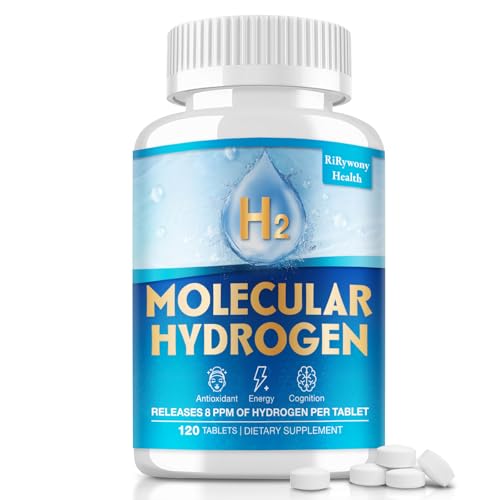
- Drink HRW Rejuvenation Molecular Hydrogen TabletsLab-tested / studied
tablets, 1 tablet per 500ml water — Research-grade effervescent tablet; developed with involvement from the Molecular Hydrogen Foundation; among the highest documented H2 output per tablet; frequently cited in community as the benchmark - Dr. Mercola Molecular Hydrogen Tablets
tablets, 2 tablets daily in water — Mass-market accessible entry point; wide distribution; uses magnesium as hydrogen carrier; good brand recognition for general wellness shoppers - Water & Wellness H2 Elite Molecular Hydrogen Tablets
tablets, 1 tablet per 16 oz water — Travel-friendly compact packaging; practical for daily carry; good entry-level tablet option for those new to H2 - Susosu Water Hydrogen-Infused Sparkling Water Pouches
liquid, 1 pouch (8 oz) — Ready-to-drink sealed aluminum pouches preserve dissolved H2; Japanese-origin brand; no dissolution required; convenient format for on-the-go use
As an Amazon Associate we earn from qualifying purchases. Molecular hydrogen quality comes down to dissolved H2 concentration, not price. Choose a product that states a specific ppm (mg/L) figure backed by third-party testing, and prefer airtight aluminum or sealed glass packaging — a vague high-concentration claim is unverifiable, and H2 escapes quickly from plastic and open containers.
A Note on the Evidence
The evidence for hydrogen water and metabolic syndrome is preliminary: trials are generally small, short in duration, and conducted outside the US, limiting the strength of conclusions that can be drawn. People with metabolic syndrome, diabetes, cardiovascular disease, or any related condition should consult a qualified healthcare provider before using hydrogen water or any supplement, and should not use it as a substitute for prescribed medical treatment.
Frequently Asked Questions
Does hydrogen water lower blood sugar in people with metabolic syndrome?
The evidence here is limited and preliminary. A 3-month RCT in metabolic syndrome and pre-metabolic syndrome participants assessed metabolic markers broadly [8], but glycemic effects have not been the primary powered endpoint in most hydrogen water trials. The liver’s established role in fasting glucose regulation is well-documented [2], but whether hydrogen water meaningfully influences that process in humans remains undemonstrated. People managing blood sugar should do so under medical supervision.
What does the research show about hydrogen water and cholesterol?
Multiple systematic reviews and meta-analyses published between 2023 and 2026 found signals suggesting hydrogen-rich water may reduce LDL cholesterol and triglycerides in metabolic disorder populations [4][5][6]. A double-blind RCT also found that hydrogen water activated ABCA1-dependent cholesterol efflux and improved HDL function in hypercholesterolemia patients [1]. These are promising preliminary signals, not established clinical evidence of the kind required for treatment recommendations.
How long do you need to drink hydrogen water before seeing metabolic effects?
Protocols vary considerably across trials. A 24-week RCT used high-concentration hydrogen-rich water and reported lipid and body composition changes [7], while a 3-month RCT used electrolyzed hydrogen water in metabolic syndrome participants [8]. There is no established consensus on minimum duration, and the optimal concentration, volume, and duration remain open research questions that current trials have not resolved.
Is hydrogen water safe to consume?
At the doses studied in published clinical trials, hydrogen-enriched water is broadly regarded as safe and physiologically inert. Molecular hydrogen passes through cell membranes rapidly and is not known to accumulate in tissue. That said, hydrogen water is not classified as a drug, has not been evaluated by the FDA for disease treatment, and long-term safety data beyond trial durations remain limited.
Does it matter whether hydrogen water comes from electrolysis or effervescent tablets?
Most clinical trials on metabolic outcomes have used electrolyzed hydrogen water or high-pressure dissolved hydrogen water; tablet-based delivery is less represented in this specific literature. The meta-analyses [4][6] each note that heterogeneity in preparation methods is a meaningful limitation when pooling results. Whether one delivery method produces superior metabolic outcomes has not been established in head-to-head trials.
Can hydrogen water replace medication for metabolic syndrome?
No. The current evidence base consists of small, short-duration trials and preliminary meta-analyses. It does not support replacing any prescribed medication for managing blood sugar, cholesterol, blood pressure, or other components of metabolic syndrome. Hydrogen water, if used, should be considered a subject of nutritional research interest rather than a medical intervention, and any medication decisions must involve a licensed healthcare provider.
References
- Song G et al. Hydrogen Activates ATP-Binding Cassette Transporter A1-Dependent Efflux Ex Vivo and Improves High-Density Lipoprotein Function in Patients With Hypercholesterolemia: A Double-Blinded, Randomized, and Placebo-Controlled Trial. The Journal of clinical endocrinology and metabolism (2015). PMID 25978109
- Basu R et al. Pathogenesis of prediabetes: role of the liver in isolated fasting hyperglycemia and combined fasting and postprandial hyperglycemia. The Journal of clinical endocrinology and metabolism (2013). PMID 23345093
- An Y et al. Hydrogen activates ACOD1-itaconate pathway to ameliorate steroid-associated osteonecrosis. Biomaterials (2025). PMID 40411985
- Todorovic N et al. The Effects of Hydrogen-Rich Water on Blood Lipid Profiles in Clinical Populations: A Systematic Review and Meta-Analysis. Pharmaceuticals (Basel, Switzerland) (2023). PMID 37259294
- Jamialahmadi H et al. The Effects of Hydrogen-Rich Water on Blood Lipid Profiles in Metabolic Disorders Clinical Trials: A Systematic Review and Meta-analysis. International journal of endocrinology and metabolism (2024). PMID 39839806
- Ye H et al. The effect of hydrogen-rich water interventions on lipid profiles in adults with overweight or obesity and associated metabolic disorders: a systematic review and meta-analysis of randomized controlled trials. Diabetology & metabolic syndrome (2026). PMID 41888952
- LeBaron TW et al. The Effects of 24-Week, High-Concentration Hydrogen-Rich Water on Body Composition, Blood Lipid Profiles and Inflammation Biomarkers in Men and Women with Metabolic Syndrome: A Randomized Controlled Trial. Diabetes, metabolic syndrome and obesity : targets and therapy (2020). PMID 32273740
- Moribe R et al. Health Effects of Electrolyzed Hydrogen Water for the Metabolic Syndrome and Pre-Metabolic Syndrome: A 3-Month Randomized Controlled Trial and Subsequent Analyses. Antioxidants (Basel, Switzerland) (2024). PMID 38397743
- Leiter LA et al. The use of bioelectrical impedance analysis (BIA) to estimate body composition in the Diabetes Control and Complications Trial (DCCT). International journal of obesity and related metabolic disorders : journal of the International Association for the Study of Obesity (1994). PMID 7894522
- Kuru M et al. Hydrogen-rich water supplementation improves metabolic profile during peripartum period in Gurcu goats and enhances the health and survival of kids. Research in veterinary science (2024). PMID 38458045
These statements have not been evaluated by the Food and Drug Administration. This information is not intended to diagnose, treat, cure, or prevent any disease. Content is for informational purposes only and is not medical advice; consult a qualified healthcare provider before starting any supplement. As an Amazon Associate we earn from qualifying purchases.
