Hydrogen water — water enriched with dissolved molecular hydrogen gas (H2) — has grown in popularity as a wellness product, marketed for its proposed antioxidant properties. Interest has reached pregnant consumers, who often seek natural ways to manage oxidative stress, fatigue, and inflammation during pregnancy. That curiosity is understandable, but the question of safety and benefit during pregnancy sits in almost entirely uncharted scientific territory.
This article reviews what is actually known, what the animal research suggests, and — critically — what remains unanswered. The honest summary is that no controlled human trials have specifically evaluated hydrogen water in pregnant women, making any strong conclusions impossible in either direction. Anyone pregnant should discuss new supplements or wellness products with their obstetric provider before use.
Key Takeaways
- No human clinical trials have evaluated hydrogen water safety or efficacy specifically during pregnancy — this is a fundamental evidence gap, not a minor one.
- One animal study found that molecular hydrogen ameliorated several features of preeclampsia in a rat model [1], but animal findings cannot be directly applied to pregnant humans.
- H2-enriched water appears to have a favorable general safety profile in non-pregnant adult populations at studied doses, but pregnancy physiology differs substantially and cumulative effects over nine months are unstudied.
- The proposed mechanism — selective neutralization of the most damaging reactive oxygen species without disrupting normal redox signaling — is biologically plausible but remains under active investigation, not established science.
- Pregnant individuals should consult their obstetric provider before introducing hydrogen water or any novel supplement, particularly given the absence of pregnancy-specific safety data.
What Molecular Hydrogen Is and How It Is Proposed to Work
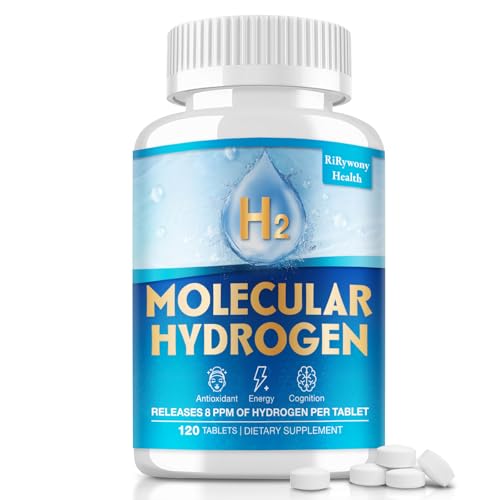
Molecular hydrogen (H2) is the lightest and smallest known molecule. When dissolved in water at low concentrations — typically 0.5 to 1.6 parts per million — it is consumed as what is commonly called hydrogen water or H2-enriched water. It can also be generated by effervescent magnesium tablets dropped into a glass of water.
The proposed mechanism centers on selective antioxidant activity. Unlike broad-spectrum antioxidants such as high-dose vitamin C or E, H2 is theorized to preferentially neutralize only the most damaging reactive oxygen species — specifically the hydroxyl radical and peroxynitrite — without disrupting the redox signaling pathways that cells rely on for normal immune and metabolic function. This selectivity hypothesis is still under active scientific investigation and has not been definitively established in human clinical settings.
At studied doses, dissolved H2 is regarded as physiologically inert in the sense that it does not accumulate in tissues and is rapidly exhaled. It is not classified as a drug by the FDA, and disease-treatment claims are not permitted. The research base, while growing, remains concentrated in Japan and East Asia, with most published trials being small and short in duration.
Why Oxidative Stress Matters in Pregnancy
Pregnancy is a physiologically demanding state that inherently increases oxidative stress. The placenta is a metabolically active organ that generates reactive oxygen species as a byproduct of its normal function, and this activity intensifies as the placenta grows. In healthy pregnancies, the body’s antioxidant defenses remain in balance with this oxidative load.
When that balance tips — due to pre-existing conditions, poor nutrition, hypertension, or other factors — excess oxidative stress is implicated in several serious pregnancy complications, including preeclampsia, intrauterine growth restriction, and gestational diabetes. This mechanistic connection is why researchers have begun exploring whether antioxidant strategies might reduce these risks. It also explains why hydrogen water, with its proposed selective antioxidant profile, has attracted research attention in obstetric contexts.
It is important to note that oxidative stress is a complex, normal part of healthy pregnancy biology. Not all antioxidant intervention is beneficial; excess antioxidant supplementation during pregnancy has, in some research contexts, shown neutral or even adverse effects. The premise that more antioxidant activity is always better is not supported by the current evidence, which is one reason the selectivity hypothesis around H2 is considered scientifically interesting rather than a settled matter.
Animal Research: Preeclampsia and the RUPP Model
The most directly relevant published research identified for this review examined molecular hydrogen in a rat model of preeclampsia. The Reduced Uterine Perfusion Pressure (RUPP) model is a standard experimental approach used to study preeclampsia-like physiology in rodents by surgically reducing blood flow to the uterus, which induces elevated blood pressure, proteinuria, and other hallmarks of the condition.
A 2016 study found that molecular hydrogen ameliorated several characteristics of preeclampsia in this RUPP rat model, including improvements in blood pressure and markers of oxidative stress [1]. These findings are scientifically interesting because they suggest that H2 may have a measurable effect on the pathophysiology of a condition that causes significant maternal and fetal morbidity worldwide.
However, the limitations of animal-to-human translation must be stated plainly. Rats are not humans; the RUPP model is an approximation of preeclampsia, not the human disease; and rodent reproductive physiology differs substantially from human. A result in an animal model is a prompt for further investigation, not evidence of clinical effectiveness or safety in pregnant women. No human pregnancy trials have followed from this work.
The Critical Evidence Gap: No Human Pregnancy Trials
The most important fact for any pregnant person considering hydrogen water is that there are, based on currently available evidence, no published randomized controlled trials evaluating hydrogen water safety or efficacy specifically in pregnant human populations. This is not a minor gap — it is a fundamental absence.
Regulators and clinicians generally apply a precautionary approach to pregnancy supplementation precisely because the fetal system is at a uniquely vulnerable stage of development. Compounds that are benign or beneficial in non-pregnant adults can have different and unpredictable effects on fetal organogenesis, placental function, or amniotic fluid composition. Without dedicated pregnancy safety data, neither safety nor risk can be confirmed.
The broader hydrogen water literature does include small trials in adults examining metabolic syndrome, exercise recovery, cognitive function, and inflammatory markers, but these populations are not pregnant, and their results cannot be assumed to apply to pregnancy. The absence of evidence is not evidence of absence of harm, and it is also not evidence of harm — it simply means we do not know.
What Is Known About General H2 Safety
Outside of the pregnancy-specific context, the general safety profile of H2-enriched water at studied concentrations appears favorable in adult populations. H2 is a naturally occurring gas present in trace amounts in the gut as a byproduct of bacterial fermentation. It is non-toxic, non-reactive with most biological molecules, and rapidly eliminated through exhalation.

No serious adverse events attributable to H2 water consumption have been reported in published adult studies to date. However, the longest human trials to date are typically weeks to a few months in duration — far shorter than the nine months of a full-term pregnancy. Cumulative effects of daily consumption throughout pregnancy have not been studied.
It is also worth noting that claims sometimes made online comparing H2 water to other hydrogen-containing compounds are scientifically inaccurate. Research into reproductive and developmental effects of fluorinated refrigerant byproducts — entirely different molecular entities — has no bearing on the safety profile of dissolved H2 gas in water [2]. These are chemically unrelated substances, and conflating them in either direction would misrepresent the science.
Practical Considerations for Pregnant Individuals
Given the absence of human pregnancy safety data, the conservative position — consistent with how most clinicians approach novel supplements in pregnancy — is that hydrogen water should not be treated as established-safe simply because it appears benign in non-pregnant adults. Pregnancy changes absorption, circulation, and renal clearance in ways that are not fully predictable from general population data.
Anyone who is pregnant or planning to become pregnant and is curious about hydrogen water should bring the conversation to their obstetrician or midwife. That provider can weigh the individual’s health context — including any risk factors for oxidative-stress-related complications — against the current state of the evidence. A supplement category without dedicated pregnancy trial data warrants that conversation before use, not after.
For those interested in managing oxidative stress during pregnancy through evidence-supported means, established nutritional strategies — adequate intake of folate, iron, vitamin C from food sources, omega-3 fatty acids, and a varied whole-food diet — have a far more robust safety record in pregnant populations than any novel antioxidant supplement.
🛒 Where to Buy Molecular Hydrogen
- Drink HRW Rejuvenation Molecular Hydrogen TabletsLab-tested / studied
tablets, 1 tablet per 500ml water — Research-grade effervescent tablet; developed with involvement from the Molecular Hydrogen Foundation; among the highest documented H2 output per tablet; frequently cited in community as the benchmark - Dr. Mercola Molecular Hydrogen Tablets
tablets, 2 tablets daily in water — Mass-market accessible entry point; wide distribution; uses magnesium as hydrogen carrier; good brand recognition for general wellness shoppers - Water & Wellness H2 Elite Molecular Hydrogen Tablets
tablets, 1 tablet per 16 oz water — Travel-friendly compact packaging; practical for daily carry; good entry-level tablet option for those new to H2 - Susosu Water Hydrogen-Infused Sparkling Water Pouches
liquid, 1 pouch (8 oz) — Ready-to-drink sealed aluminum pouches preserve dissolved H2; Japanese-origin brand; no dissolution required; convenient format for on-the-go use
As an Amazon Associate we earn from qualifying purchases. Molecular hydrogen quality comes down to dissolved H2 concentration, not price. Choose a product that states a specific ppm (mg/L) figure backed by third-party testing, and prefer airtight aluminum or sealed glass packaging — a vague high-concentration claim is unverifiable, and H2 escapes quickly from plastic and open containers.

A Note on the Evidence
The evidence base for hydrogen water during pregnancy is essentially absent at the human clinical level; the only pregnancy-related research identified is a preliminary animal study [1], and no human trial data exists to confirm safety or benefit. Pregnant individuals, or those planning pregnancy, should not substitute wellness information for personalized medical guidance and should discuss any new supplement with their obstetric provider before use.
Frequently Asked Questions
Is hydrogen water safe to drink during pregnancy?
There is no published human safety data specifically evaluating hydrogen water in pregnant women. While H2-enriched water appears well-tolerated in non-pregnant adult populations at studied doses, pregnancy changes physiology in ways that cannot be predicted from general adult data. Until dedicated pregnancy trials exist, it is not possible to confirm safety, and consultation with an obstetric provider is strongly recommended before use.
Has molecular hydrogen been studied in pregnancy-related conditions?
One published animal study examined molecular hydrogen in a rat model of preeclampsia and found it ameliorated several characteristics of that condition, including markers of oxidative stress and elevated blood pressure [1]. This is a preliminary finding in rodents, not a human clinical result, and no controlled human pregnancy trials have followed from this research.
Could hydrogen water help with preeclampsia?
The animal research is preliminary and cannot be translated into a clinical recommendation. The RUPP rat model study [1] provides a mechanistic hypothesis worth investigating further, but preeclampsia is a serious, life-threatening condition that requires evidence-based obstetric management. Hydrogen water is not an approved or studied treatment for preeclampsia in humans, and should not be used as a substitute for medical care.
What is the proposed mechanism behind hydrogen water's antioxidant effects?
H2 is proposed to act as a selective antioxidant that preferentially neutralizes hydroxyl radical and peroxynitrite — two of the most reactive and damaging oxygen species — without broadly suppressing the redox signaling that cells need for normal function. This selectivity hypothesis is considered scientifically interesting and is under active investigation, but it has not been definitively established through large-scale human trials.
Are there any risks specific to pregnancy from hydrogen water?
No specific risks have been identified from published research, but the absence of pregnancy-specific data means risks cannot be ruled out either. The fetus undergoes rapid and sensitive organogenesis, and compounds that are safe in adults may have different effects during fetal development. This uncertainty is precisely why dedicated pregnancy safety research is needed before confident recommendations can be made.
Should a pregnant woman stop drinking hydrogen water if she has already been using it?
If a pregnant woman has been consuming hydrogen water and is concerned, the appropriate step is to discuss this with her obstetrician or midwife. Based on the general safety profile of H2 in adults, acute harm from short-term use is not anticipated, but this is a conversation for a healthcare provider who knows the individual’s full clinical picture — not a decision based on general wellness information.
References
- Ushida T et al. Molecular hydrogen ameliorates several characteristics of preeclampsia in the Reduced Uterine Perfusion Pressure (RUPP) rat model. Free radical biology & medicine (2016). PMID 27789293
- Ema M et al. Reproductive and developmental toxicity of degradation products of refrigerants in experimental animals. Reproductive toxicology (Elmsford, N.Y.) (2010). PMID 19755147
These statements have not been evaluated by the Food and Drug Administration. This information is not intended to diagnose, treat, cure, or prevent any disease. Content is for informational purposes only and is not medical advice; consult a qualified healthcare provider before starting any supplement. As an Amazon Associate we earn from qualifying purchases.
