Molecular hydrogen (H2) is the simplest molecule in existence, just two hydrogen atoms, and that simplicity is central to why researchers have spent nearly two decades studying it as a potential antioxidant. Unlike most supplements built around a specific plant compound or vitamin, molecular hydrogen’s proposed mechanism is rooted in basic physical chemistry: a molecule small enough to diffuse everywhere in the body, reacting selectively with one of the most damaging byproducts of normal metabolism.
This article explains what the current research actually proposes about how molecular hydrogen works, and where the evidence is strong versus still developing. Nothing here constitutes medical advice, and molecular hydrogen products have not been evaluated by the FDA to diagnose, treat, cure, or prevent any disease.
Key Takeaways
- The foundational 2007 study proposed that hydrogen gas selectively reduces the hydroxyl radical, one of the most cytotoxic reactive oxygen species, while sparing signaling-relevant ROS [1].
- Hydrogen’s small size lets it diffuse rapidly through cell membranes and the blood-brain barrier without a transporter.
- The body already produces hydrogen gas continuously via gut bacterial fermentation; supplementation aims to add to that baseline.
- A 2024 systematic review found a favorable human safety profile across 25 studies but flagged the field as still short on large, standardized trials [2].
- The selective-antioxidant mechanism is influential and widely cited, but remains an active research question, not a closed case.
The Core Hypothesis: Selective Antioxidant Activity
Most well-known dietary antioxidants, vitamin C, vitamin E, polyphenols, work broadly: they neutralize many different types of reactive oxygen species (ROS) indiscriminately. The problem with broad-spectrum antioxidant activity is that some ROS are not just damaging byproducts, they’re also used by cells as signaling molecules for things like immune response and normal cell communication. Neutralizing everything indiscriminately can, at least in theory, interfere with processes the body actually needs.
The 2007 paper that founded the modern field of molecular hydrogen research proposed something different: that hydrogen gas reacts selectively with the hydroxyl radical (•OH), widely considered the most cytotoxic ROS, while leaving other ROS with legitimate signaling roles largely untouched [1]. In that study, researchers demonstrated this selectivity in cultured cells exposed to oxidative stress through three independent methods, and then showed that inhaled hydrogen gas markedly reduced brain injury in a rat model of ischemia-reperfusion injury.
Why Molecule Size Matters
Molecular hydrogen is the smallest and lightest molecule that exists. This isn’t a marketing detail, it’s the physical property that makes the proposed mechanism plausible in the first place. Because H2 is so small, it can diffuse through cell membranes and even the blood-brain barrier without needing a dedicated transport protein, something most larger antioxidant compounds cannot do efficiently. This is one reason researchers have been interested in hydrogen as a way to potentially reach tissues, like the central nervous system, that are otherwise hard for supplemental antioxidants to access in meaningful concentrations.
Hydrogen the Body Already Makes
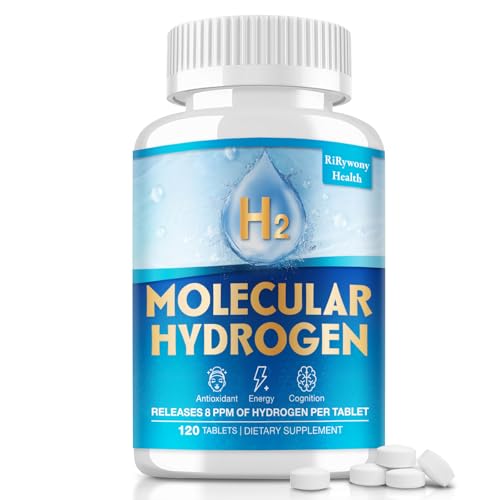
It’s worth understanding that molecular hydrogen is not a foreign substance being introduced to the body for the first time. Gut bacteria in the large intestine continuously ferment undigested carbohydrates and produce hydrogen gas as a normal metabolic byproduct, most of which is absorbed into the bloodstream or exhaled. Hydrogen water, tablets, and inhalation devices are designed to supplement this baseline production with a more concentrated, controlled dose delivered directly, rather than introducing something entirely novel to human physiology.
What the Evidence Actually Supports Right Now
It is important to separate the mechanistic hypothesis from confirmed clinical outcomes. The selective antioxidant mechanism proposed in 2007 has been highly influential and has driven a large volume of subsequent research, but a 2024 systematic review of human hydrogen water trials found that while the safety profile across 25 studies was consistently favorable, with no serious adverse effects reported, the overall evidence base still lacks the large, standardized, head-to-head trials needed to fully confirm how the proposed mechanism translates into reliable clinical benefits [2]. In practice, this means the mechanism is a credible, actively researched hypothesis rather than an established medical fact.

Delivery Methods and the Mechanism
Both hydrogen water (dissolved H2 consumed orally) and inhaled hydrogen gas are assumed to work through the same underlying selective-antioxidant pathway, since both simply deliver H2 molecules into the body. The practical differences are dose (inhalation typically delivers far higher concentrations), speed of absorption, and which tissues encounter the hydrogen first. Direct human comparisons of inhalation versus drinking-water protocols are still limited, so questions about which delivery method is more effective for a given purpose remain open.
Frequently Asked Questions
Is molecular hydrogen the same as regular antioxidants like vitamin C?
No. Most dietary antioxidants (vitamin C, vitamin E, glutathione precursors) react broadly with many types of reactive oxygen species, including some that the body actually uses for cell signaling. The 2007 study that founded this field proposed that hydrogen gas is more selective, it appeared to preferentially react with the hydroxyl radical, one of the most cell-damaging reactive oxygen species, while leaving other signaling-relevant radicals largely alone [1]. This selectivity is the central mechanistic claim behind molecular hydrogen, though it remains an active area of research rather than settled fact.
How does hydrogen gas get to tissues where oxidative stress is happening?
Hydrogen is the smallest, lightest molecule that exists, which lets it diffuse rapidly through cell membranes and even the blood-brain barrier without needing a transporter. This physical property is part of why researchers became interested in it: most antioxidant compounds struggle to reach some tissues in meaningful concentrations, while dissolved or inhaled hydrogen distributes quickly throughout the body.
Does the body already produce hydrogen naturally?
Yes. Gut bacteria in the large intestine ferment undigested carbohydrates and produce hydrogen gas as a byproduct, which is normal and continuous in most people. Supplemental molecular hydrogen (via hydrogen water, tablets, or inhalation) is intended to deliver higher, more controlled amounts than typical gut fermentation provides, though direct comparisons of endogenous versus supplemental hydrogen levels are still limited in the literature.
Is the selective antioxidant mechanism fully proven?
It’s an influential and widely cited hypothesis, not a settled conclusion. A 2024 systematic review of human hydrogen water trials found a consistent, favorable safety pattern and some encouraging metabolic signals, but also noted the field is still short on large, standardized trials that would confirm exactly how the mechanism translates into clinical outcomes [2]. Independent replication of the original selectivity finding, and clarification of the exact biochemical pathway, remain ongoing research priorities.
Do inhaled hydrogen gas and hydrogen water work through the same mechanism?
Both deliver molecular hydrogen (H2) to the body and are assumed to work through the same proposed selective-antioxidant pathway, but they differ in dose, speed of delivery, and which tissues are exposed first. Inhalation typically delivers a much higher concentration directly to the lungs and bloodstream, while hydrogen water delivers a smaller, dissolved amount via the gut. Head-to-head comparisons of the two delivery routes in humans are still limited.
References
- Ohsawa I et al. Hydrogen acts as a therapeutic antioxidant by selectively reducing cytotoxic oxygen radicals. Nature Medicine (2007). PMID 17486089
- Dhillon G et al. Hydrogen Water: Extra Healthy or a Hoax? A Systematic Review. Int J Mol Sci (2024). PMID 38256045
These statements have not been evaluated by the FDA. This product is not intended to diagnose, treat, cure, or prevent any disease. This article is for informational purposes only and is not a substitute for professional medical advice. As an Amazon Associate we earn from qualifying purchases.
These statements have not been evaluated by the Food and Drug Administration. This information is not intended to diagnose, treat, cure, or prevent any disease. Content is for informational purposes only and is not medical advice; consult a qualified healthcare provider before starting any supplement. As an Amazon Associate we earn from qualifying purchases.
