Molecular hydrogen (H2) has attracted growing scientific interest as a proposed selective antioxidant — one that may neutralize particularly cytotoxic reactive oxygen species such as the hydroxyl radical without broadly suppressing the redox signaling that healthy cells depend on. Two delivery formats dominate the published literature: hydrogen-enriched water consumed orally, and hydrogen-rich saline (HRS) administered intravenously or intraperitoneally in controlled research settings. These are not interchangeable, and conflating them is one of the most common errors in how hydrogen research gets communicated to the public.
This article explains what distinguishes these two formats, why the distinction matters when reading study abstracts, and what the current evidence — still early-stage and largely conducted in Japan, China, and South Korea — does and does not tell us about drinking hydrogen water as a daily practice. No products are endorsed here, and nothing in this article constitutes medical advice.
Key Takeaways
- Hydrogen-rich saline (intravenous) and hydrogen-enriched water (oral) are distinct delivery methods that produce very different tissue concentrations — findings from one cannot be assumed to apply to the other.
- The majority of mechanistic hydrogen research uses intravenous or inhaled H2, not oral water; oral hydrogen water trials are fewer, smaller, and shorter.
- Molecular hydrogen’s proposed mechanism — selective neutralization of hydroxyl radical and peroxynitrite without disrupting beneficial redox signaling — is scientifically coherent but not yet clinically established for most applications.
- Published oral hydrogen water trials report minimal adverse effects, suggesting a low risk profile at consumer doses, but low risk is not the same as proven benefit.
- Consumers should read hydrogen research with attention to delivery method, species, and sample size before drawing conclusions about what drinking hydrogen water will do.
What Hydrogen-Rich Saline Actually Is
Hydrogen-rich saline (HRS) is a sterile isotonic solution saturated with dissolved molecular hydrogen gas, designed for intravenous or intraperitoneal administration in controlled clinical and animal research. It is not available over the counter and is not the same product as hydrogen water sold in pouches, cans, or generated by electrolysis devices. HRS delivers H2 directly into circulation, bypassing the gastrointestinal tract entirely and achieving tissue concentrations that oral ingestion cannot reliably replicate.
In preclinical animal models, intraperitoneal injection of HRS has been used to study acute conditions — ischemia-reperfusion injury, sepsis models, acute organ inflammation — precisely because it allows researchers to deliver a controlled, measurable hydrogen dose under anesthesia. These experimental conditions are far removed from daily consumer use of hydrogen water, and results from HRS animal studies should not be assumed to predict effects from drinking a glass of hydrogen-enriched water.

How Hydrogen Water Is Delivered and Absorbed
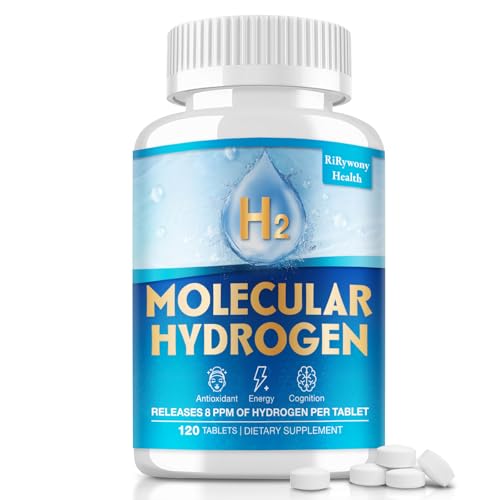
Hydrogen water — water in which H2 gas has been dissolved under pressure, generated via electrolysis, or produced by a magnesium-based effervescent tablet reacting with water — is consumed orally. Once swallowed, dissolved H2 is absorbed rapidly through the stomach and small intestine, enters portal circulation, and distributes throughout body tissues via the bloodstream. Because hydrogen is the smallest molecule in existence, it diffuses across cell membranes and the blood-brain barrier with unusual ease.
The challenge with oral delivery is concentration and retention. H2 is a gas at room temperature; dissolved concentrations in commercially available products typically range from 0.5 to 1.6 parts per million (ppm), with some premium devices claiming higher saturation. Once a container is opened, hydrogen begins escaping. Peak blood and tissue concentrations following oral ingestion are modest and transient compared to what intravenous HRS achieves. This is not a trivial pharmacokinetic difference — it is the central reason why findings from HRS studies cannot be directly applied to predict what hydrogen water does.
The Research Gap: Why It Exists and Why It Matters
The bulk of mechanistic and acute-intervention hydrogen research has used HRS or inhaled H2 gas, because these methods give researchers precise dose control. Oral hydrogen water trials are fewer in number, shorter in duration, smaller in participant size, and more variable in methodology — different devices, different concentrations, different drinking protocols, and different outcome measures make cross-study comparison difficult.
When a headline reports that ‘hydrogen reduces oxidative stress markers,’ it is essential to ask which delivery method was studied. A positive finding from an HRS infusion study says very little about whether the same outcome would follow from drinking hydrogen-enriched water twice daily. The plasma concentrations achieved differ by an order of magnitude, and the duration of tissue exposure differs even more. Readers and consumers who skip past the methods section are effectively comparing two different interventions under one label.
This gap is not a criticism of hydrogen water research — it reflects the natural progression of any emerging field, where invasive, controlled methods are used first to establish biological plausibility before more practical oral protocols are validated. The problem arises when the plausibility established by HRS studies is used to market oral hydrogen water products as though efficacy is already proven.
What Oral Hydrogen Water Trials Have Examined
A smaller body of literature has specifically tested hydrogen-enriched water in human participants drinking it orally. Published areas of investigation include metabolic markers in people with metabolic syndrome, oxidative stress indicators in healthy adults and athletes, cognitive and mood outcomes in older adults, and exercise recovery measures. These trials are generally small — often fewer than 50 participants — and conducted over weeks rather than months. Most originate from Japanese research groups.
Those trials are published and can be named. A randomized, double-blind, placebo-controlled crossover trial gave 900 mL per day of hydrogen-rich water for eight weeks to 30 people with type 2 diabetes and 6 with impaired glucose tolerance, reporting a 15.5% fall in modified LDL cholesterol and a 6.6% fall in urinary 8-isoprostanes[1]. A 24-week randomized placebo-controlled trial in 60 adults with metabolic syndrome reported reductions in blood cholesterol and glucose[2]. A four-week randomized trial in 38 healthy adults drinking 1.5 L per day found no overall difference in the main oxidative-stress markers, with an antioxidant-capacity increase confined to participants aged 30 and over[3]. A six-month pilot in 40 adults aged 70 and over reported changes in telomere length and brain metabolites[4], and a two-week trial reported a rise in peak oxygen uptake with no significant change in oxidative-stress markers at all[5].
The honest summary is that these results are mixed rather than uniformly positive, and it is worth being precise about that. A 2024 systematic review and meta-analysis of exercise-induced oxidative stress pooled six studies in 76 participants and found no significant effect on d-ROMs (SMD -0.01, p = 0.94), alongside a small but significant improvement in antioxidant potential (SMD 0.29, p = 0.03)[6] — its authors describe hydrogen’s “dual effects” on this outcome. Sample sizes are small, durations are short, and adverse events across these trials have been minimal, consistent with the expectation that dissolved H2 gas is physiologically inert at consumed quantities. Whether these biomarker changes translate to clinically meaningful health outcomes remains an open question that larger, longer trials would need to address.
The absence of serious safety concerns in published oral hydrogen water trials is meaningful for consumers evaluating risk. It is not, however, a substitute for evidence of efficacy.
Evaluating Claims: A Framework for Skeptical Reading
When you encounter a claim linking hydrogen to a health outcome, three questions immediately clarify how seriously to take it. First: what was the delivery method — oral water, intravenous saline, or inhaled gas? Second: was this a human trial or an animal model? Third: how large was the sample, and how long did the study run? A positive finding from an IV-administered HRS study in rats tells you that biological activity is plausible under optimal conditions. It tells you very little about whether your hydrogen water tablet will move the needle.

A related issue is publication language. Preclinical research appropriately uses phrases like ‘may attenuate,’ ‘was associated with,’ and ‘suggests a potential role.’ These hedges exist for good reason. When marketing copy drops the hedges and states effects as facts, it has departed from what the evidence supports. Molecular hydrogen research is genuinely interesting and the proposed selective antioxidant mechanism is scientifically coherent — but the gap between ‘coherent mechanism’ and ‘proven consumer benefit’ is where honesty is most needed.
Practical Implications for Anyone Considering Hydrogen Water
For healthy adults who have done their reading and want to experiment with hydrogen-enriched water, the risk profile from published literature appears low. H2 gas is non-toxic at studied oral doses, produces no known drug interactions in the published record, and is regarded as physiologically inert at the concentrations delivered through commercial products. This makes it meaningfully different from supplements that carry real pharmacological risk.
What it does not mean is that hydrogen water reliably produces the outcomes sometimes listed in marketing materials. Consumers should approach it the way they would any early-stage wellness practice: with curiosity rather than certainty, an honest accounting of the cost involved, and no substitution for evidence-based medical care. If you have a diagnosed condition — metabolic, cardiovascular, neurological, or otherwise — discuss any supplementation with a physician before starting, and do not delay or replace prescribed treatment on the basis of hydrogen water research.
🛒 Where to Buy Molecular Hydrogen
- Drink HRW Rejuvenation Molecular Hydrogen TabletsLab-tested / studied
tablets, 1 tablet per 500ml water — Research-grade effervescent tablet; developed with involvement from the Molecular Hydrogen Foundation; among the highest documented H2 output per tablet; frequently cited in community as the benchmark - Dr. Mercola Molecular Hydrogen Tablets
tablets, 2 tablets daily in water — Mass-market accessible entry point; wide distribution; uses magnesium as hydrogen carrier; good brand recognition for general wellness shoppers - Water & Wellness H2 Elite Molecular Hydrogen Tablets
tablets, 1 tablet per 16 oz water — Travel-friendly compact packaging; practical for daily carry; good entry-level tablet option for those new to H2 - Susosu Water Hydrogen-Infused Sparkling Water Pouches
liquid, 1 pouch (8 oz) — Ready-to-drink sealed aluminum pouches preserve dissolved H2; Japanese-origin brand; no dissolution required; convenient format for on-the-go use
As an Amazon Associate we earn from qualifying purchases. Molecular hydrogen quality comes down to dissolved H2 concentration, not price. Choose a product that states a specific ppm (mg/L) figure backed by third-party testing, and prefer airtight aluminum or sealed glass packaging — a vague high-concentration claim is unverifiable, and H2 escapes quickly from plastic and open containers.
A Note on the Evidence
The evidence base for molecular hydrogen, and specifically for oral hydrogen-enriched water, consists primarily of small, short-duration trials conducted outside the United States; no findings should be treated as established or used to replace medical care. Individuals with diagnosed health conditions, those who are pregnant or nursing, and anyone taking prescription medication should consult a qualified healthcare provider before using hydrogen water products.
Frequently Asked Questions
Is hydrogen-rich saline the same thing as hydrogen water I can drink?
No. Hydrogen-rich saline is a sterile intravenous preparation used in controlled research settings; it is not available as a consumer product. Oral hydrogen water is a separate format with lower achievable tissue concentrations. Results from HRS studies do not directly predict what drinking hydrogen water will do.
Why is so much hydrogen research conducted in Japan and East Asia?
Japanese researchers, particularly groups affiliated with Nippon Medical School, pioneered the proposed selective antioxidant framework for molecular hydrogen beginning around 2007. East Asian research infrastructure, funding priorities, and clinical interest have maintained that geographic concentration in the published literature. This does not make the research invalid, but it is worth noting when evaluating generalizability to other populations.
Can hydrogen water treat or cure any disease?
No. Molecular hydrogen products are not classified as drugs, and disease-treatment claims are not permitted by the FDA. The published research is preliminary and does not establish efficacy for treating any diagnosed condition. This content is informational, not medical advice.
How much dissolved hydrogen does commercial hydrogen water actually contain?
Most commercial products — pouches, cans, electrolysis devices, and effervescent tablets — produce water with dissolved H2 concentrations roughly between 0.5 and 1.6 parts per million, though some devices claim higher saturation. Concentration drops quickly once containers are opened, as H2 gas escapes into the air. Sealed aluminum pouches and freshly generated water from electrolysis devices retain concentration better than open containers.
Are there any known safety concerns with drinking hydrogen-enriched water?
Published human trials to date have reported no serious adverse events associated with oral hydrogen water at studied doses, which is consistent with the expectation that dissolved H2 gas in water is physiologically inert at these concentrations. This applies to healthy adults in research settings; people with specific medical conditions should consult a physician before adding any supplement to their routine.
What would stronger evidence for oral hydrogen water require?
Larger randomized controlled trials with preregistered protocols, longer follow-up durations, standardized hydrogen concentration verification, and clinically meaningful endpoints — not just biomarker changes — would meaningfully strengthen the evidence base. Independent replication outside the primary research groups that have published most of the existing work would also increase confidence in reported findings.
References
- Kajiyama S et al. Supplementation of hydrogen-rich water improves lipid and glucose metabolism in patients with type 2 diabetes or impaired glucose tolerance. Nutrition Research (2008). PMID 19083400
- LeBaron TW et al. The effects of 24-week, high-concentration hydrogen-rich water on body composition, blood lipid profiles and inflammation biomarkers in men and women with metabolic syndrome: a randomized controlled trial. Diabetes, Metabolic Syndrome and Obesity (2020). PMID 32273740
- Sim M et al. Hydrogen-rich water reduces inflammatory responses and prevents apoptosis of peripheral blood cells in healthy adults: a randomized, double-blind, controlled trial. Scientific Reports (2020). PMID 32699287
- Zanini D et al. The effects of 6-month hydrogen-rich water intake on molecular and phenotypic biomarkers of aging in older adults aged 70 years and over: a randomized controlled pilot trial. Experimental Gerontology (2021). PMID 34601077
- Hori A et al. Two-week continuous supplementation of hydrogen-rich water increases peak oxygen uptake during an incremental cycling exercise test in healthy humans: a randomized, single-blinded, placebo-controlled study. Medical Gas Research (2020). PMID 33380582
- Li S et al. Can molecular hydrogen supplementation reduce exercise-induced oxidative stress in healthy adults? A systematic review and meta-analysis. Frontiers in Nutrition (2024). PMID 38590828
These statements have not been evaluated by the Food and Drug Administration. This information is not intended to diagnose, treat, cure, or prevent any disease. Content is for informational purposes only and is not medical advice; consult a qualified healthcare provider before starting any supplement. As an Amazon Associate we earn from qualifying purchases.
