Molecular hydrogen (H2) is the smallest molecule in existence. Because of its tiny size and lipophilic character, it can cross biological barriers that most compounds cannot — including, in theory, the blood-brain barrier. Interest in its potential biological effects accelerated after a 2007 study proposed that H2 could selectively neutralize particularly damaging reactive oxygen species without disrupting the broader redox signaling the body depends on. Since then, a growing body of preclinical and early clinical work, largely from Japan and East Asia, has begun asking whether hydrogen-rich water or inhaled hydrogen gas might have a role in supporting brain health.
This article reviews what the current evidence base says about molecular hydrogen and neuroprotection — covering research in Parkinson’s disease, Alzheimer’s disease, and traumatic brain injury. The field is early-stage. Most published studies are small, short in duration, and conducted in animal or cell models rather than human clinical trials. Nothing in this overview constitutes medical advice or suggests that H2 treats, prevents, or cures any neurological condition.
Key Takeaways
- Molecular hydrogen is proposed to act as a selective antioxidant, targeting highly damaging reactive oxygen species — particularly hydroxyl radical and peroxynitrite — without disrupting beneficial redox signaling, a mechanism under active investigation [1].
- Preclinical research in Parkinson’s disease models has reported reductions in dopaminergic neuron loss, alpha-synuclein aggregation, and neuroinflammation, but human clinical data remains limited [2].
- Animal model and cell studies in Alzheimer’s disease contexts have reported reductions in oxidative stress markers and improvements in memory-related outcomes with hydrogen treatment, though these findings have not been replicated in human clinical trials [3] [4].
- H2’s small molecular size and lipophilic character theoretically allow it to cross the blood-brain barrier and reach intracellular compartments including mitochondria — a structural advantage over many antioxidant compounds [1].
- The overall evidence base is early-stage. No efficacy claim can be made for any neurological condition based on current data, and large independent human clinical trials are needed.
Why Oxidative Stress Matters for the Brain
The brain is metabolically demanding, consuming roughly 20% of the body’s oxygen despite representing only about 2% of body weight. This high metabolic activity makes it a major site of reactive oxygen species (ROS) production. Under normal conditions, the body’s antioxidant defenses keep ROS in balance. When that balance tips — from aging, injury, inflammation, or genetic vulnerability — oxidative damage can accumulate in neurons and the cells that support them.
In Alzheimer’s disease, researchers have documented elevated markers of oxidative stress in affected brain regions, with evidence suggesting that amyloid plaques and neurofibrillary tangles are intertwined with oxidative damage mechanisms [5]. Emerging work has also implicated the KEAP1/PGAM5/AIFM1 signaling axis — a pathway linking oxidative stress to a form of regulated cell death called oxeiptosis — as potentially relevant to Alzheimer’s pathology [6]. In Parkinson’s disease, dopaminergic neurons of the substantia nigra are particularly vulnerable to oxidative injury, a recognized feature of the disease [7].
This oxidative vulnerability is part of why antioxidant strategies have attracted attention in neurological research. The long-standing challenge is that broad-spectrum antioxidants can interfere with beneficial ROS signaling. Molecular hydrogen’s proposed selectivity — targeting only the most cytotoxic species like hydroxyl radical (•OH) and peroxynitrite (ONOO⁻) — is what makes it an interesting subject of study [1].
The Proposed Mechanism: Selective Radical Scavenging
A 2021 critical review in Neuroscience Bulletin examined proposed neuroprotective mechanisms of molecular hydrogen in detail [1]. The authors outline several pathways under investigation: direct quenching of hydroxyl radicals and peroxynitrite; upregulation of the Nrf2/HO-1 antioxidant response pathway; modulation of inflammatory signaling; and potential effects on mitochondrial function and apoptosis.
What distinguishes H2 from most antioxidants — in theory — is selectivity. Hydroxyl radical is among the most reactive and damaging ROS produced in biological systems, yet conventional antioxidants such as vitamin C neutralize a broad spectrum of ROS, including superoxide, which plays important signaling roles. H2, due to its thermodynamic properties, reacts readily with hydroxyl radical and peroxynitrite but does not readily react with superoxide, hydrogen peroxide, or other biologically necessary signaling molecules. This selectivity remains under active investigation, and the in vitro findings have not been fully replicated in complex living systems [1].
H2’s ability to diffuse across the blood-brain barrier and reach intracellular compartments — including mitochondria, where much ROS generation occurs — is considered a structural advantage over many larger antioxidant compounds. Whether this translates into meaningful neuroprotection in humans remains to be established through rigorous clinical trials.
Molecular Hydrogen and Parkinson's Disease Research
Parkinson’s disease is characterized by progressive loss of dopaminergic neurons in the substantia nigra and accumulation of Lewy bodies composed of misfolded alpha-synuclein. Oxidative stress, mitochondrial dysfunction, and neuroinflammation are all implicated. Neuroprotective strategies have been pursued for decades with limited success in translating preclinical findings to effective human treatments [7].
A 2025 review in Frontiers in Neuroscience examined the evidence specifically for molecular hydrogen in Parkinson’s, summarizing preclinical findings suggesting H2 may protect dopaminergic neurons, reduce alpha-synuclein aggregation, and attenuate neuroinflammation in animal models [2]. Proposed mechanisms include Nrf2 pathway activation, reduction of mitochondrial ROS, and modulation of autophagy. The review authors note that while preclinical evidence is encouraging, human clinical data remains limited and the field lacks the large, well-controlled trials needed to confirm efficacy.
Research on gaseous signaling molecules — including hydrogen sulfide (H2S), nitric oxide, and carbon monoxide — has added nuance to understanding how small gaseous molecules might interact with Parkinson’s pathology [8]. These gasotransmitters are chemically distinct from molecular hydrogen (H2) but share the property of being small enough to cross cellular membranes and modulate signaling pathways. Understanding the interplay of these molecules in neurodegeneration is an active research area separate from, though conceptually related to, H2 research.

Molecular Hydrogen and Alzheimer's Disease Research
Alzheimer’s disease involves amyloid-beta plaques, tau tangles, synaptic loss, and progressive cognitive decline. Oxidative stress is a prominent and early feature, thought to contribute to both amyloid production and neuronal death [5]. The KEAP1/PGAM5/AIFM1-mediated oxeiptosis pathway has been identified as one mechanistic link between oxidative stress and cell death in Alzheimer’s pathology [6], representing a potential target for antioxidant-based approaches.
A 2024 study using a zebrafish model of Alzheimer’s disease found that hydrogen-rich water administration was associated with reductions in markers of oxidative stress and inflammation, and with changes in gut microbiome composition — an observation that opened discussion of possible gut-brain axis involvement [4]. Zebrafish models provide useful tools for preliminary mechanistic work but differ substantially from human Alzheimer’s pathology, so findings require cautious interpretation.
A 2025 study in the International Journal of Molecular Sciences examined hydrogen gas in Alzheimer’s disease models, reporting attenuation of toxic metabolites, reduction of oxidative stress-related signaling, and improvements in memory-related behavioral outcomes in the tested models [3]. These results contribute to a growing preclinical literature, but translation from model organism studies to human benefit in Alzheimer’s disease has proven exceptionally difficult across many therapeutic strategies.

Hydrogen-Rich Water and Traumatic Brain Injury
Traumatic brain injury (TBI) triggers a cascade of secondary injury processes — including oxidative stress, inflammation, and excitotoxicity — that can persist long after the initial insult and contribute to chronic neurodegeneration. These secondary processes represent potential targets for neuroprotective intervention, and the challenge of reaching affected tissue through the blood-brain barrier remains central to the field [9].
A 2014 study published in PLOS ONE investigated whether molecular hydrogen in drinking water could provide neuroprotection against TBI-induced neurodegeneration in a mouse model [10]. The researchers reported that hydrogen-treated animals showed reduced oxidative damage markers and attenuated neurodegeneration compared to controls following experimental TBI. The authors proposed that continuous low-level antioxidant exposure via hydrogen-rich water might offer advantages over acute high-dose antioxidant treatment in this context. These findings are preliminary and from an animal model; human TBI research with H2 remains at an early stage.
State of the Evidence: Strengths, Gaps, and What Comes Next
The neuroprotection literature on molecular hydrogen has expanded considerably since 2007. A 2021 critical review in Neuroscience Bulletin found the preclinical evidence across multiple neurological disease models noteworthy but concluded that the field is at an early stage, with significant unanswered questions: What are the optimal doses and delivery methods? Do animal model findings translate to humans? What are the long-term safety profiles? [1]
Most published trials are small, short, conducted outside the US, and in many cases limited to in vitro or animal models. Peer-reviewed human clinical trials specifically examining H2’s effects on neurodegenerative disease endpoints are sparse. The field would benefit substantially from larger, longer, placebo-controlled trials with pre-registered endpoints and independent replication in diverse populations.
Delivery method also matters and remains unstandardized. Hydrogen-rich water, effervescent tablets, inhaled hydrogen gas, and hydrogen saline have all been used in research settings. Bioavailability, brain concentrations achieved, and safety profiles may differ across these methods, adding interpretive complexity when comparing results across studies.
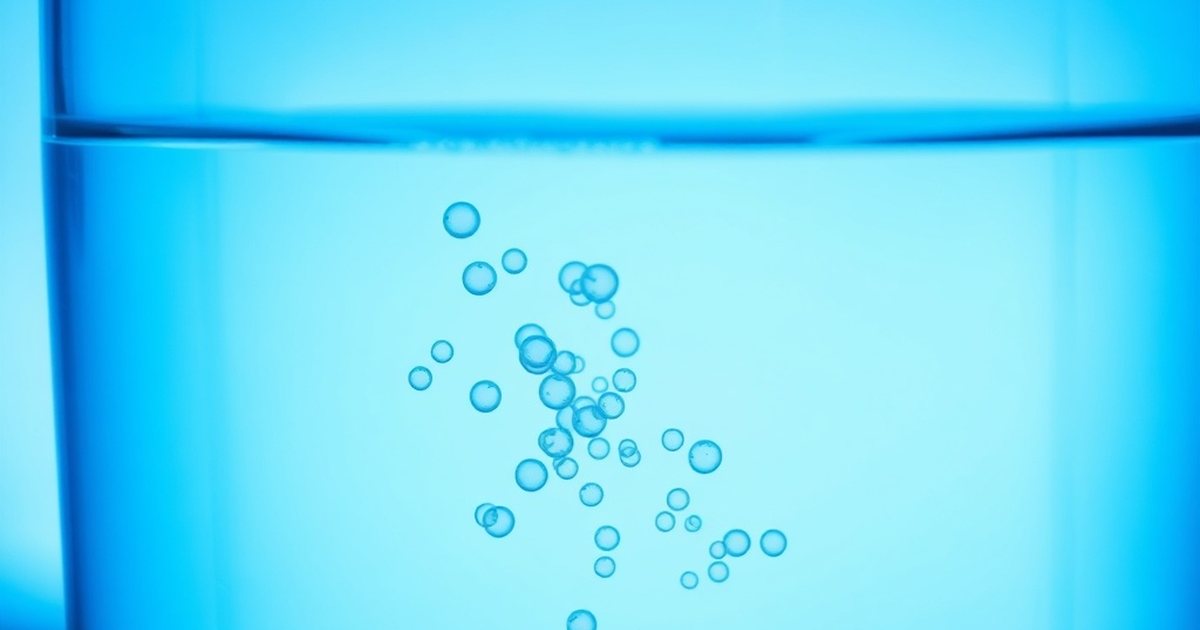
🛒 Where to Buy Molecular Hydrogen
- Drink HRW Rejuvenation Molecular Hydrogen TabletsLab-tested / studied
tablets, 1 tablet per 500ml water — Research-grade effervescent tablet; developed with involvement from the Molecular Hydrogen Foundation; among the highest documented H2 output per tablet; frequently cited in community as the benchmark - Dr. Mercola Molecular Hydrogen Tablets
tablets, 2 tablets daily in water — Mass-market accessible entry point; wide distribution; uses magnesium as hydrogen carrier; good brand recognition for general wellness shoppers - Water & Wellness H2 Elite Molecular Hydrogen Tablets
tablets, 1 tablet per 16 oz water — Travel-friendly compact packaging; practical for daily carry; good entry-level tablet option for those new to H2 - Susosu Water Hydrogen-Infused Sparkling Water Pouches
liquid, 1 pouch (8 oz) — Ready-to-drink sealed aluminum pouches preserve dissolved H2; Japanese-origin brand; no dissolution required; convenient format for on-the-go use
As an Amazon Associate we earn from qualifying purchases. Molecular hydrogen quality comes down to dissolved H2 concentration, not price. Choose a product that states a specific ppm (mg/L) figure backed by third-party testing, and prefer airtight aluminum or sealed glass packaging — a vague high-concentration claim is unverifiable, and H2 escapes quickly from plastic and open containers.
A Note on the Evidence
The research on molecular hydrogen and neuroprotection is preliminary — most studies are small, short-duration, and conducted in animal or cell models, with very limited human clinical trial data for any neurological condition. Molecular hydrogen is not a drug and is not approved to treat, prevent, or cure any disease; anyone with a neurological condition or concern should consult a qualified healthcare professional before making any changes to their health regimen.
Frequently Asked Questions
How does molecular hydrogen differ from conventional antioxidants?
Unlike broad-spectrum antioxidants, molecular hydrogen is proposed to selectively neutralize only the most damaging reactive oxygen species — particularly hydroxyl radical and peroxynitrite — without reacting with superoxide or hydrogen peroxide, which serve important signaling roles in cells. This selectivity is considered a theoretical advantage over vitamins C and E, though it requires further validation in complex biological systems [1].
Can molecular hydrogen actually reach the brain?
H2 is a small, lipophilic gas, and its physicochemical properties theoretically allow it to diffuse across the blood-brain barrier and into intracellular compartments, including mitochondria. This is considered one of its potential advantages for neuroprotection research [1]. Whether the concentrations achieved via drinking hydrogen-rich water are sufficient to produce measurable neuroprotection in humans has not been established.
What does the research show for Parkinson's disease?
A 2025 review summarized preclinical findings suggesting H2 may protect dopaminergic neurons, reduce alpha-synuclein aggregation, and attenuate neuroinflammation in animal models, with proposed mechanisms including Nrf2 pathway activation and mitochondrial ROS reduction [2]. Human clinical data in Parkinson’s is limited and insufficient to support efficacy claims at this time.
What does the research show for Alzheimer's disease?
Preclinical studies — including a 2024 zebrafish model study and a 2025 study in Alzheimer’s disease models — have reported reductions in oxidative stress markers and improvements in memory-related outcomes with hydrogen treatment [4] [3]. These findings are early-stage signals from animal and model-organism research and do not establish that H2 treats or prevents Alzheimer’s disease in humans.
Is hydrogen-rich water safe?
Molecular hydrogen consumed as hydrogen-enriched water or via effervescent tablet is broadly regarded as inert at studied doses. H2 is naturally produced in the gut by microbiota and has not shown adverse effects in published studies. However, long-term safety of sustained high-level H2 intake has not been rigorously studied, and H2 is not classified as a drug or approved treatment by the FDA for any condition.
Is molecular hydrogen the same as hydrogen sulfide (H2S)?
No — these are distinct molecules with different chemistry and biological effects. Hydrogen sulfide (H2S) is a gasotransmitter involved in many physiological processes including neurological signaling, and separate research examines its potential roles in neurodegeneration [8]. Molecular hydrogen (H2) is diatomic hydrogen gas proposed to act as a selective antioxidant. They share the property of being small enough to cross cellular membranes but should not be conflated.
References
- Chen W et al. Neuroprotective Effects of Molecular Hydrogen: A Critical Review. Neuroscience bulletin (2021). PMID 33078374
- Wang F et al. Role and mechanism of molecular hydrogen in the treatment of Parkinson's diseases. Frontiers in neuroscience (2025). PMID 40336538
- Abdul-Nasir S et al. Hydrogen Gas Attenuates Toxic Metabolites and Oxidative Stress-Mediated Signaling to Inhibit Neurodegeneration and Enhance Memory in Alzheimer's Disease Models. International journal of molecular sciences (2025). PMID 40725167
- He J et al. Therapeutic potential of hydrogen-rich water in zebrafish model of Alzheimer's disease: targeting oxidative stress, inflammation, and the gut-brain axis. Frontiers in aging neuroscience (2024). PMID 39839307
- Huang WJ et al. Role of oxidative stress in Alzheimer's disease. Biomedical reports (2016). PMID 27123241
- Zhong F et al. The KEAP1/PGAM5/AIFM1-Mediated oxeiptosis pathway in Alzheimer's disease. Brain research (2024). PMID 39168265
- Olanow CW et al. Attempts to obtain neuroprotection in Parkinson's disease. Neurology (1997). PMID 9222272
- O'Connor JL et al. The role of gasotransmitters in Parkinson's disease: Interplay of nitric oxide, carbon monoxide, and hydrogen sulfide. Neurotherapeutics : the journal of the American Society for Experimental NeuroTherapeutics (2025). PMID 40713247
- Vázquez-Rosa E et al. P7C3-A20 treatment one year after TBI in mice repairs the blood-brain barrier, arrests chronic neurodegeneration, and restores cognition. Proceedings of the National Academy of Sciences of the United States of America (2020). PMID 33087571
- Dohi K et al. Molecular hydrogen in drinking water protects against neurodegenerative changes induced by traumatic brain injury. PloS one (2014). PMID 25251220
These statements have not been evaluated by the Food and Drug Administration. This information is not intended to diagnose, treat, cure, or prevent any disease. Content is for informational purposes only and is not medical advice; consult a qualified healthcare provider before starting any supplement. As an Amazon Associate we earn from qualifying purchases.
