Molecular hydrogen (H2) tablets have moved from niche biohacking circles into mainstream supplement retail, and three brands now dominate most buyer conversations: Drink HRW, Vital Reaction, and Purative Active H2. Each dissolves in water to produce hydrogen gas, and each makes broadly similar claims about antioxidant support and recovery — but they differ meaningfully in formulation philosophy, reported concentration, ingredient transparency, and price. Sorting through marketing language to find practical differences is harder than it should be.
This comparison is designed to help you understand what actually separates these products rather than what their labels want you to believe. It covers how hydrogen tablets work in general, what each brand does differently, the limits of current evidence, and the practical questions worth asking before you buy. Nothing here constitutes medical advice, and the underlying science — while intriguing — remains early-stage and largely drawn from small trials conducted primarily in Japan and East Asia.
Key Takeaways
- All three brands use magnesium-based effervescent chemistry — the critical variables are dissolved H2 concentration, dissolution methodology, and storage integrity, not brand name alone.
- Drink HRW has the most transparent third-party testing documentation and highest verified concentration claims; Vital Reaction emphasizes US manufacturing and a broader product ecosystem; Purative prioritizes format convenience and consistent mid-range output.
- Published molecular hydrogen research is promising but early-stage, conducted primarily on electrolysis-generated HRW in small East Asian trials — findings cannot be directly assumed to apply to specific effervescent tablet products.
- Correct dissolution practice (cold water, sealed vessel, drink within 5 minutes) likely affects how much H2 you actually consume more than brand selection.
- These products contribute elemental magnesium per serving; buyers taking other magnesium supplements should account for total daily intake across all sources.
How Hydrogen Tablets Work: The Proposed Mechanism
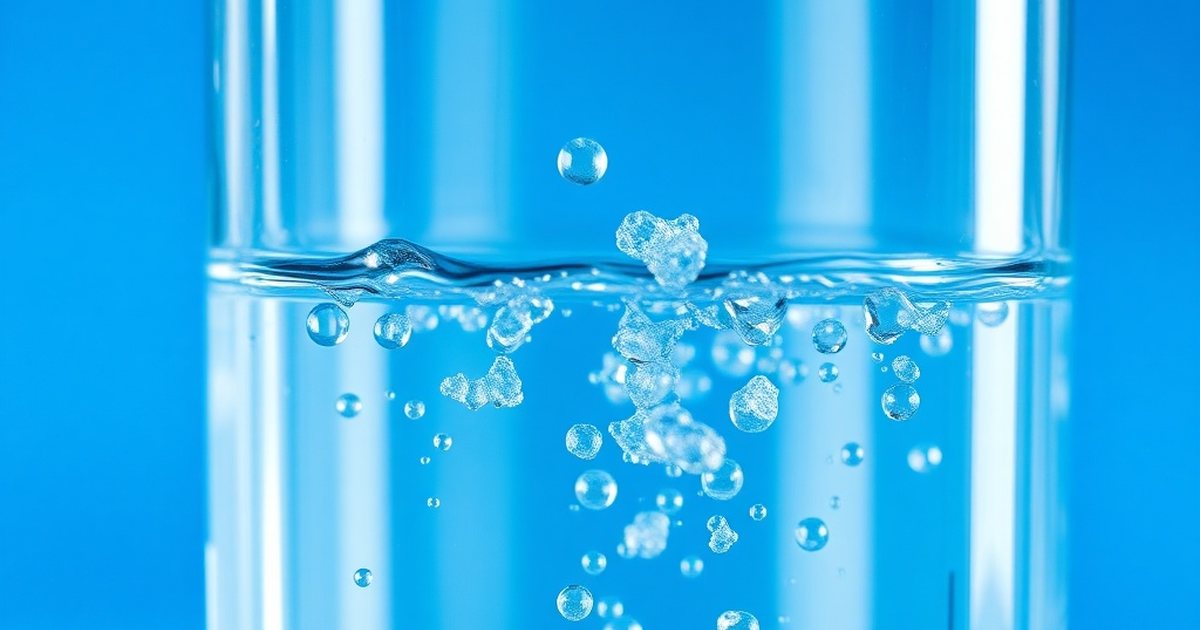
All three products operate on the same basic chemistry: a magnesium-based effervescent reaction that releases molecular hydrogen gas (H2) into water when the tablet dissolves. You drink the resulting hydrogen-enriched water (HRW) within a few minutes of dissolution, before the dissolved gas escapes. The concentration of dissolved H2 — measured in parts per million (ppm) or milligrams per liter (mg/L) — is the central variable that distinguishes one product from another.
The proposed therapeutic rationale is selective antioxidant activity. Unlike broad-spectrum antioxidants that suppress all reactive oxygen species (ROS), H2 is theorized to neutralize only the most cytotoxic species — particularly the hydroxyl radical (•OH) and peroxynitrite (ONOO⁻) — while leaving lower-level ROS intact. That distinction matters because some ROS function as cellular signaling molecules; blanket suppression of all of them may interfere with beneficial redox processes. Whether the concentrations achievable by drinking HRW are sufficient to produce meaningful biological effects in humans remains an active area of investigation, and no regulatory body has approved molecular hydrogen for the treatment or prevention of any disease.
The magnesium in these tablets also contributes elemental magnesium to the finished drink. Depending on the tablet formulation, each serving may deliver a meaningful fraction of the daily adequate intake for magnesium — a nutrient many adults fall short on. This is not incidental: both the H2 yield and the magnesium dose are part of the product’s pharmacological profile, and brands differ in how they handle both.
Drink HRW: Research-Affiliated, High-Concentration Positioning
Drink HRW (the brand behind the ‘Rejuvenation’ tablet) has built its identity around proximity to the research community. The company has published or co-sponsored third-party testing of its tablets and has been transparent about H2 concentration targets — typically citing dissolved H2 in the range of 8–10 ppm at dissolution under controlled conditions. That places it among the higher-output effervescent tablets on the market, though real-world results vary based on water temperature, volume, and how quickly the drink is consumed after dissolution.
The formulation uses elemental magnesium and malic acid as the primary reaction substrates. Drink HRW has been forthcoming about the magnesium content per tablet and encourages buyers to account for it in their total daily magnesium intake. The company has also invested in stability testing: tablet packaging is designed to minimize moisture exposure, which degrades the magnesium and reduces H2 output before use. Independent lab verification and open documentation of testing methodology are more consistently present here than with most competitors.
Price per serving tends to land at the higher end of the tablet category. The trade-off the brand implicitly offers is verifiable output and research credibility over economy. For buyers who want to cross-reference product performance against published protocols, Drink HRW provides more supporting documentation than either Vital Reaction or Purative in their publicly available materials.
Vital Reaction: High-PPM Claims and Broader Product Line
Vital Reaction markets its tablets with concentration claims that, on paper, exceed many competitors — some products in its line cite figures above 10 ppm under specific dissolution conditions. The brand also sells hydrogen inhalation systems and hydrogen water generators, which positions the tablets as one entry point in a broader ecosystem rather than a standalone product.
The tablet formulation relies on similar magnesium-based chemistry, and the company emphasizes domestic (US) manufacturing. Third-party certificate of analysis (CoA) documentation has been available through the brand, though the testing parameters and laboratory accreditations disclosed are less granular than what Drink HRW publishes. Buyers doing due diligence should ask specifically about the dissolved H2 measurement methodology — whether measurements are taken immediately after dissolution or at a fixed interval — since H2 off-gassing begins immediately and methodology differences can inflate or deflate reported ppm figures substantially.
Vital Reaction tablets are generally priced in the mid-range of the premium tablet segment, with volume purchase discounts available. The broader product ecosystem may appeal to buyers who anticipate wanting to experiment with inhalation or a water generator down the line, since familiarity with one Vital Reaction product makes navigating the rest of the line easier.
Purative Active H2: Bioavailability Focus and Packet Format
Purative markets its Active H2 line with an emphasis on bioavailability and what it describes as a proprietary blend of magnesium, fumarate, and malate. The formulation is available in both tablet and powder-packet formats, and the company positions the multi-substrate approach as improving the consistency and completeness of the hydrogen-generating reaction compared to simpler single-magnesium formulations.
Purative’s published concentration targets are somewhat lower than the highest claims in the tablet category — typically cited in the 2–6 ppm range — though the brand argues that consistent, stable output is more practically relevant than peak ppm numbers that assume ideal dissolution conditions. Whether that framing reflects a genuine engineering trade-off or a rationalization of lower output is a fair question, and independent comparative testing of all three brands under identical conditions is not currently available in peer-reviewed literature.
Pricing for Purative is competitive with or slightly below Drink HRW per serving. The powder-packet format is a practical differentiator for travel: individual packets are easier to carry and less moisture-sensitive than loose tablets. Buyers who prioritize convenience over maximizing H2 concentration may find the format more useful in everyday practice.
What the Research Can and Cannot Tell You About Tablets Specifically
Most published molecular hydrogen research uses hydrogen-enriched water produced by electrolysis or pressurized dissolution rather than effervescent tablets[2]. The tablet format introduces variables — dissolution completeness, off-gassing rate, water temperature — that are not controlled for in the majority of published trials. Translating findings from electrolysis-generated HRW to tablet-generated HRW requires assumptions that have not been rigorously validated in published comparative work.

The clinical areas receiving the most investigation include metabolic markers, inflammatory signaling, exercise-induced oxidative stress, and select neurological endpoints. Trial sample sizes have typically been small (under 60 participants), durations short (4–12 weeks), and populations primarily Japanese or East Asian. Effect sizes reported in positive trials are generally modest. No large, preregistered, multi-site randomized controlled trials of effervescent H2 tablets specifically have been published as of this writing. The research is genuinely interesting and has produced enough signal to justify continued investigation — but it does not currently support strong efficacy claims for any specific tablet product.
No evidence provided in our review established a clinically meaningful difference in outcomes between tablet brands at comparable dissolved H2 concentrations. The practical implication: concentration, dissolution conditions, and storage quality likely matter more than brand identity, and any brand claiming uniquely superior clinical outcomes relative to competitors is outrunning the published evidence base.
Practical Buying Considerations: How to Actually Compare These Products
Before choosing between these three brands, standardize your comparison on dissolved H2 concentration per serving (not theoretical maximum), the measurement methodology behind that number, magnesium content per tablet (relevant if you are watching total magnesium intake or take other magnesium supplements), third-party testing transparency, and cost per serving at your anticipated usage frequency.
Dissolution best practices apply equally across all three: use cold or room-temperature water (hot water accelerates off-gassing), use a vessel you can seal temporarily during dissolution, and drink within three to five minutes of the tablet fully dissolving. Using an open glass and drinking 20 minutes later likely wastes most of the H2 regardless of which brand you choose. An expensive bottle of tablets used incorrectly delivers less dissolved H2 than a budget bottle used correctly.
None of these brands is a clear winner for all buyers. Drink HRW offers the strongest documentation and highest verified concentration claims. Vital Reaction offers a broader ecosystem and US manufacturing. Purative offers format flexibility and consistent mid-range output. If research traceability and maximum H2 dose are your priority, Drink HRW is the strongest documented option. If travel convenience or a lower entry price matters more, Purative’s packet format or Vital Reaction’s mid-tier tablet are reasonable alternatives.
🛒 Where to Buy Molecular Hydrogen
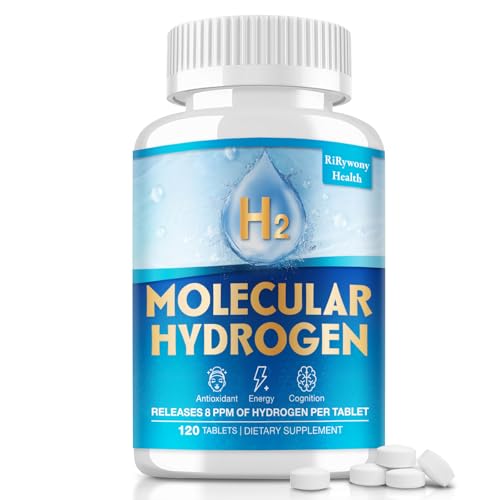
- Drink HRW Rejuvenation Molecular Hydrogen TabletsLab-tested / studied
tablets, 1 tablet per 500ml water — Research-grade effervescent tablet; developed with involvement from the Molecular Hydrogen Foundation; among the highest documented H2 output per tablet; frequently cited in community as the benchmark - Dr. Mercola Molecular Hydrogen Tablets
tablets, 2 tablets daily in water — Mass-market accessible entry point; wide distribution; uses magnesium as hydrogen carrier; good brand recognition for general wellness shoppers - Water & Wellness H2 Elite Molecular Hydrogen Tablets
tablets, 1 tablet per 16 oz water — Travel-friendly compact packaging; practical for daily carry; good entry-level tablet option for those new to H2 - Susosu Water Hydrogen-Infused Sparkling Water Pouches
liquid, 1 pouch (8 oz) — Ready-to-drink sealed aluminum pouches preserve dissolved H2; Japanese-origin brand; no dissolution required; convenient format for on-the-go use
As an Amazon Associate we earn from qualifying purchases. Molecular hydrogen quality comes down to dissolved H2 concentration, not price. Choose a product that states a specific ppm (mg/L) figure backed by third-party testing, and prefer airtight aluminum or sealed glass packaging — a vague high-concentration claim is unverifiable, and H2 escapes quickly from plastic and open containers.

A Note on the Evidence
The published evidence base for molecular hydrogen is early-stage[1] — most trials are small, short, and conducted outside the United States — and no health claims for these products have been evaluated or approved by the FDA. Individuals with kidney disease, those taking magnesium-sensitive medications, or anyone managing a chronic health condition should consult a licensed healthcare provider before adding hydrogen tablets to their routine.
Frequently Asked Questions
Which brand produces the highest concentration of dissolved H2?
Under controlled dissolution conditions, Drink HRW’s Rejuvenation tablets have published documentation supporting dissolved H2 in the 8–10 ppm range, which is among the higher figures in the effervescent category. Vital Reaction also cites concentrations above 10 ppm in some product lines, though the testing methodology behind peak figures should be verified. Purative typically targets 2–6 ppm with an emphasis on consistency over peak output. No independent head-to-head comparison under identical conditions has been published.
Are hydrogen tablets safe to use daily?
Effervescent hydrogen tablets are generally regarded as safe at studied doses; the reaction byproducts are water, CO2, and magnesium ions — none of which are pharmacologically novel. Regulatory agencies have not classified molecular hydrogen as a drug. That said, the magnesium delivered per tablet is a real physiological dose, and individuals with kidney disease or magnesium-sensitive conditions should consult a physician before regular use. Long-term safety data beyond several months is limited.
Do I need to use special water when dissolving these tablets?
Cold or room-temperature filtered water works well. Avoid hot water, which accelerates H2 off-gassing before you drink it. Very hard water (high mineral content) may slightly slow dissolution but does not significantly impair H2 yield. The vessel matters more than the water source: use a bottle or glass you can briefly cover during dissolution to retain the gas.
Is there a difference between tablet-generated HRW and machine-generated HRW?
Most published clinical research uses hydrogen-enriched water produced by electrolysis or pressurized dissolution, not effervescent tablets. The dissolved H2 molecule is the same regardless of production method, but tablet-generated water introduces dissolution variables (completeness, timing, temperature) that electrolysis machines avoid. Whether this translates to a meaningful clinical difference has not been established in published comparative trials. Tablets are more portable and lower cost; machines offer more consistent output.
Can molecular hydrogen tablets help with exercise recovery?
Exercise-induced oxidative stress is one of the areas most actively studied in the molecular hydrogen literature, with some small trials suggesting potential effects on markers of oxidative stress and muscle fatigue. However, most of this research uses electrolysis-generated HRW rather than tablets specifically, sample sizes are small, and results across trials are mixed. No effervescent tablet brand has published clinical trial data establishing recovery benefits for their specific product. These findings should be considered preliminary.
How should I store hydrogen tablets to preserve their potency?
Moisture is the primary enemy of effervescent H2 tablets. Store them in their original airtight container in a cool, dry location — not in a bathroom cabinet or near a sink. Each time you open the container, close it promptly. Some manufacturers include desiccant packets in the bottle for this reason. Tablets stored improperly will begin reacting with ambient humidity, reducing the H2 yield available when you actually dissolve them in water.
References
- Dhillon G et al. Hydrogen Water: Extra Healthy or a Hoax? A Systematic Review. Int J Mol Sci (2024). PMID 38256045
- Ohta S. Molecular hydrogen as a preventive and therapeutic medical gas: initiation, development and potential of hydrogen medicine. Pharmacol Ther (2014). PMID 24769081
These statements have not been evaluated by the Food and Drug Administration. This information is not intended to diagnose, treat, cure, or prevent any disease. Content is for informational purposes only and is not medical advice; consult a qualified healthcare provider before starting any supplement. As an Amazon Associate we earn from qualifying purchases.
