Hydrogen water tablets are effervescent supplements that dissolve in plain water to produce hydrogen gas (H2)-enriched water. The proposed benefit rests on a specific molecular mechanism: dissolved H2 may act as a selective antioxidant, theoretically neutralizing only the most reactive and damaging free radicals — particularly hydroxyl radical and peroxynitrite — while leaving beneficial reactive oxygen species intact. This selectivity, if confirmed at physiological concentrations, would distinguish hydrogen water from broad-spectrum antioxidant supplements.
The research behind hydrogen water is real but early. Most published clinical trials are small, short in duration, and concentrated in Japanese and East Asian research institutions. No hydrogen water product is approved by the FDA to treat, cure, or prevent any disease. What follows is an honest look at what tablets offer, what the science currently supports, and what to consider before buying — not a ranked endorsement list, because product quality in this category varies widely and independent verification is limited.
Key Takeaways
- Hydrogen water tablets work by generating dissolved molecular hydrogen (H2) via a chemical reaction, typically involving magnesium — drink the prepared water promptly for maximum H2 concentration.
- The proposed mechanism — selective neutralization of hydroxyl radical and peroxynitrite without disrupting beneficial redox signaling — is scientifically coherent but not yet established as clinically meaningful at achievable doses.
- The published evidence base is early-stage: most trials are small, short, and conducted outside the US; no hydrogen water product is FDA-approved for any health condition.
- Key quality markers include disclosed and verified ppm output, airtight per-tablet packaging, and third-party testing for purity — price alone is not a reliable quality signal.
- Hydrogen water tablets are safe at studied doses but are informational supplements, not medications; they should complement — not replace — evidence-backed health fundamentals.
What Hydrogen Water Tablets Actually Do
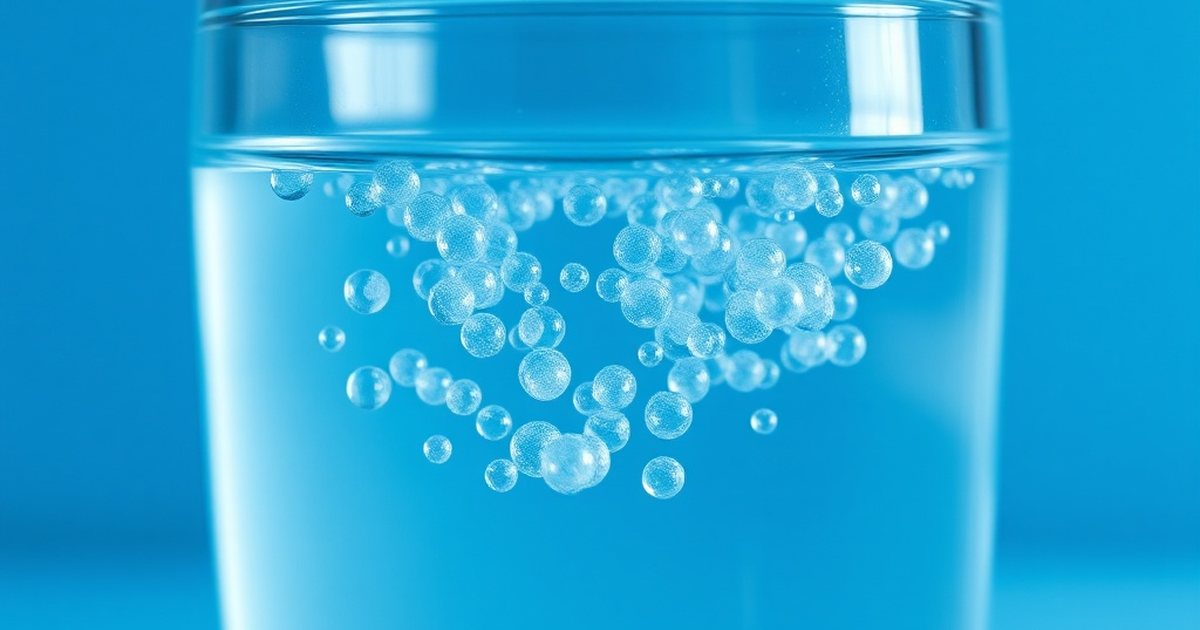
When a hydrogen water tablet contacts water, a chemical reaction — typically involving magnesium and malic or citric acid — generates molecular hydrogen gas that dissolves into the liquid. The goal is to deliver water with a measurable concentration of dissolved H2, usually expressed in parts per million (ppm) or milligrams per liter. A well-formulated tablet can produce concentrations in the range of 1–3 ppm, roughly comparable to some hydrogen-infused water machines.
The proposed mechanism is that dissolved H2, once consumed, reaches tissues and acts as a selective scavenger of hydroxyl radical (•OH) and peroxynitrite (ONOO⁻), two highly reactive species implicated in oxidative damage to DNA, lipids, and proteins. Unlike vitamin C or vitamin E, which neutralize a broad range of free radicals, H2 is theorized to leave other reactive oxygen species — which serve important signaling roles — undisturbed. This selectivity hypothesis is the scientific rationale that distinguishes hydrogen water from conventional antioxidant supplementation, though it remains under active investigation and is not yet established at clinically meaningful doses in humans.
Tablets have a practical advantage over pre-filled hydrogen water bottles or canned H2 water: hydrogen gas escapes from solution quickly, so pre-packaged liquid products often lose most of their dissolved H2 before consumption. Tablets allow on-demand preparation, which can preserve higher concentrations if consumed promptly after dissolution — typically within ten minutes of the tablet fully dissolving.
What the Research Currently Suggests
The clinical evidence base for hydrogen water is growing but remains preliminary. Published trials have explored outcomes across several domains: metabolic health, inflammatory markers, exercise recovery, and neurological conditions. The majority of these studies are small — often fewer than 50 participants — short in duration (weeks to a few months), and have not been widely replicated in large, independent, randomized controlled trials outside Japan and East Asia. Two trials give a sense of both the promise and the limits. An open-label pilot in 20 people with features of metabolic syndrome used hydrogen-rich water generated by a metallic magnesium stick, the same magnesium-water reaction that magnesium-based tablets rely on, and reported a 39% rise in the antioxidant enzyme superoxide dismutase and a 43% fall in urinary TBARS over eight weeks, though it was unblinded and had no placebo group [1]. A 2026 randomized, blinded, placebo-controlled trial in 60 people reached the opposite conclusion: hydrogen-rich water did not reduce oxidative stress-induced damage, malondialdehyde rose relative to placebo, and adverse events were more common in the hydrogen group than the placebo group, 50% versus 37% [2]. That split is the honest state of the evidence: encouraging uncontrolled pilots, and controlled trials that have not consistently reproduced them.
Proposed areas of interest in the published literature include oxidative stress biomarkers (such as urinary 8-OHdG and MDA), inflammatory cytokines, lipid profiles, and subjective measures of fatigue and recovery in athletic populations. These are mechanistically plausible targets given the antioxidant hypothesis, but plausibility is not proof of efficacy. At this stage, hydrogen water should be understood as a subject of legitimate scientific inquiry, not an evidence-backed intervention for any specific health condition.
It is worth noting that hydrogen gas is generally regarded as safe at the concentrations present in hydrogen-enriched water. The amounts of dissolved H2 in a typical serving are far below any threshold of concern, and effervescent tablet excipients — magnesium, malic acid, citric acid — are common food-grade ingredients. ‘Safe’ does not mean ‘proven effective,’ and consumers should hold these two assessments separately.
How to Evaluate Hydrogen Water Tablets: Key Quality Factors
The hydrogen water tablet market is largely unregulated in terms of product performance claims, and third-party testing is inconsistent. The most important technical factor is actual dissolved H2 output — measured in ppm or mg/L — which should be disclosed by the manufacturer and ideally verified by independent testing. A product claiming to produce ‘high hydrogen concentration’ without a specific ppm figure is making an unverifiable claim.
Tablet formulation matters. Magnesium-based tablets (where elemental magnesium reacts with water to produce H2) are among the most common formats. The purity of magnesium used, the presence of buffering acids, and whether the tablet is sealed in an airtight, moisture-proof pouch all affect how much active H2 is actually generated. Tablets stored in loose-fitting containers or humid environments can degrade before use.
Third-party testing for heavy metals, contaminants, and label accuracy is a meaningful differentiator. Because hydrogen water tablets are sold as dietary supplements in the US, they are not required to demonstrate safety or efficacy before going to market. Brands that submit to NSF International, Informed Sport, or USP verification, or that publish certificates of analysis from accredited labs, offer meaningfully more assurance than those that do not. Price alone is not a reliable indicator of quality in this category.
Tablet vs. Other Hydrogen Water Delivery Methods
Hydrogen water is available in several forms: electrolysis machines (which infuse H2 directly into tap water), pre-filled aluminum pouches or cans, glass bottles sealed under pressure, and effervescent tablets. Each format involves tradeoffs. Electrolysis machines can produce consistent, high-concentration H2 water on demand but cost hundreds of dollars upfront. Pre-packaged liquid formats are convenient but H2 dissipates rapidly after opening, raising questions about the actual concentration at the time of consumption.
Tablets occupy a middle ground: lower upfront cost than machines, more portable than canned formats, and capable of producing measurable H2 concentrations when used correctly. The critical variable is freshness — both of the tablet itself (moisture exposure degrades performance) and of the prepared water (drink within ten minutes of dissolution for maximum dissolved H2). A tablet that sits in an open bottle for an hour is delivering far less H2 than one consumed immediately.
For someone exploring hydrogen water primarily out of scientific curiosity or as a low-risk addition to an existing wellness routine, tablets represent a pragmatic entry point. They are not superior to machines in output consistency, but they are far more accessible.
Honest Expectations: What Hydrogen Water Tablets Are Not
Hydrogen water tablets are not medications, and no company may legally claim that their product treats, cures, or prevents any disease in the United States. The FDA has not approved hydrogen water for any therapeutic indication. Marketing language that implies otherwise — ‘reverses aging,’ ‘cures inflammation,’ ‘eliminates free radical damage’ — exceeds what the current evidence can support and should be treated as a red flag for a brand’s overall credibility.

The antioxidant hypothesis underlying hydrogen water is scientifically coherent and worth continued investigation, but coherent mechanisms do not guarantee clinically meaningful outcomes in humans at the doses and concentrations achievable with a single daily serving of hydrogen water. Many compounds with promising in vitro or animal-model data have not translated into human benefit at accessible doses. Consumers should enter this category with calibrated curiosity rather than high expectations.
Hydrogen water is also not a substitute for foundational health behaviors: adequate sleep, whole-food nutrition, regular physical activity, and stress management have far more robust evidence supporting their benefits than any supplement. If someone is weighing whether to spend money on hydrogen water tablets versus something else, that context matters.
Practical Tips for Using Hydrogen Water Tablets
Dissolve the tablet in plain, room-temperature or cool water — not hot water, which accelerates H2 escape. Use the volume of water specified by the manufacturer; too much water dilutes the concentration, too little may not fully dissolve the tablet. Drink the water promptly, ideally within five to ten minutes of the tablet fully dissolving and while visible effervescence is still present.
Store unused tablets in their original airtight packaging, away from heat and humidity. Bathroom storage is generally a poor environment for any supplement. Some brands package tablets individually in foil blisters, which is preferable to a multi-tablet screw-top bottle that is opened repeatedly.
Start with one serving daily if you are new to hydrogen water. There is no established optimal dose, and more is not necessarily better — the proposed selectivity of H2 as an antioxidant is predicated on it being present at biologically meaningful but not excessive concentrations. Consistency over weeks, not immediate effects, is how the existing research has evaluated outcomes, so single-use impressions are not a reliable gauge of anything.
🛒 Where to Buy Molecular Hydrogen
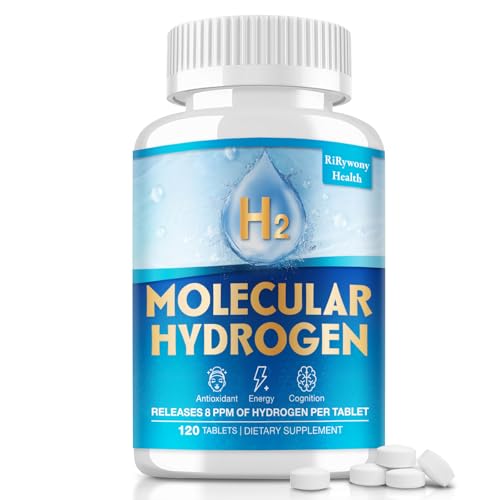
- Drink HRW Rejuvenation Molecular Hydrogen TabletsLab-tested / studied
tablets, 1 tablet per 500ml water — Research-grade effervescent tablet; developed with involvement from the Molecular Hydrogen Foundation; among the highest documented H2 output per tablet; frequently cited in community as the benchmark - Dr. Mercola Molecular Hydrogen Tablets
tablets, 2 tablets daily in water — Mass-market accessible entry point; wide distribution; uses magnesium as hydrogen carrier; good brand recognition for general wellness shoppers - Water & Wellness H2 Elite Molecular Hydrogen Tablets
tablets, 1 tablet per 16 oz water — Travel-friendly compact packaging; practical for daily carry; good entry-level tablet option for those new to H2 - Susosu Water Hydrogen-Infused Sparkling Water Pouches
liquid, 1 pouch (8 oz) — Ready-to-drink sealed aluminum pouches preserve dissolved H2; Japanese-origin brand; no dissolution required; convenient format for on-the-go use
As an Amazon Associate we earn from qualifying purchases. Molecular hydrogen quality comes down to dissolved H2 concentration, not price. Choose a product that states a specific ppm (mg/L) figure backed by third-party testing, and prefer airtight aluminum or sealed glass packaging — a vague high-concentration claim is unverifiable, and H2 escapes quickly from plastic and open containers.

A Note on the Evidence
The evidence for hydrogen water tablets is early-stage: most published trials are small, short-duration, and have not been independently replicated at scale, so no specific health benefit can be considered established. People with kidney conditions, those taking diuretics or medications affected by magnesium intake, or anyone with a chronic health condition should consult a qualified healthcare provider before adding hydrogen water tablets to their routine.
Frequently Asked Questions
Do hydrogen water tablets actually work?
Whether they produce a measurable health benefit depends on the outcome being measured and the individual. The proposed antioxidant mechanism is scientifically plausible, and some small trials have reported changes in oxidative stress biomarkers and inflammatory markers. However, the evidence is preliminary, most studies are small and short-term, and no consistent benefit has been established across large, independent clinical trials. ‘Works’ is not a single yes-or-no answer in a field this early.
How much dissolved hydrogen should a quality tablet produce?
A reasonable benchmark for a functioning tablet is 1–3 ppm (mg/L) of dissolved H2 in the specified volume of water, consumed promptly after dissolution. Brands that disclose a specific ppm figure — ideally verified by third-party testing — are more trustworthy than those making vague ‘high concentration’ claims without measurement data.
Are hydrogen water tablets safe?
Molecular hydrogen at the concentrations present in hydrogen-enriched water is broadly considered inert and safe. The common tablet ingredients — magnesium, malic acid, citric acid — are standard food-grade compounds. No serious adverse events have been associated with hydrogen water consumption at studied doses. As with any supplement, people with kidney disease or those on medications should consult a healthcare provider before adding something new.
How quickly does dissolved hydrogen escape from water?
Hydrogen gas is extremely small and escapes from solution relatively rapidly, especially when exposed to air or heat. Research suggests that a significant portion of dissolved H2 can be lost within 10–30 minutes of preparation, particularly in an open container. This is why immediate consumption after tablet dissolution is consistently recommended and why pre-packaged hydrogen water faces real questions about concentration at time of drinking.
Can hydrogen water tablets replace antioxidant supplements like vitamin C or E?
They are mechanistically distinct, not directly comparable. Vitamin C and E are broad-spectrum antioxidants that donate electrons to a wide range of free radicals. H2 is theorized to selectively target only the most reactive species. Neither has been established as superior in head-to-head human trials. They are not substitutes for each other, and hydrogen water is not positioned as a replacement for established micronutrient intake.
Why is most hydrogen water research from Japan?
Hydrogen water research was pioneered significantly by Japanese scientists, particularly following a landmark 2007 paper from Ikuroh Ohsawa’s group at Nippon Medical School. Japan also has a strong consumer market for hydrogen water products, which has supported continued academic and industry-funded research there. This geographic concentration is a legitimate consideration when evaluating the evidence — replication in independent Western research centers would strengthen confidence in findings.
References
- Nakao A et al. Effectiveness of hydrogen rich water on antioxidant status of subjects with potential metabolic syndrome: an open label pilot study. J Clin Biochem Nutr (2010). PMID 20216947
- Zhang F et al. Does Hydrogen-Rich Water Reduce Oxidative Stress in Patients with Chronic Mountain Sickness? A Randomized, Blinded, Controlled Trial. High Alt Med Biol (2026). PMID 41371770
These statements have not been evaluated by the Food and Drug Administration. This information is not intended to diagnose, treat, cure, or prevent any disease. Content is for informational purposes only and is not medical advice; consult a qualified healthcare provider before starting any supplement. As an Amazon Associate we earn from qualifying purchases.
