Hydrogen water — plain water supersaturated with dissolved molecular hydrogen (H2) gas — has attracted growing interest among athletes and researchers exploring non-pharmacological recovery and performance strategies. Unlike conventional antioxidant supplements, H2 is proposed to act selectively, targeting only the most damaging reactive oxygen species (ROS) produced during intense exercise rather than broadly quenching the redox signals the body needs for adaptation. This selectivity is central to the scientific rationale, and it distinguishes hydrogen water from generic antioxidant supplementation in both mechanism and potential application.
The published human trial literature is still limited in size, duration, and geographic scope — most studies originate from Japan and East Asia, enroll small cohorts, and run for days to weeks rather than months. Results have been genuinely inconsistent: some trials report improvements in lactate clearance, perceived fatigue, or aerobic capacity, while others find no measurable effect on performance outcomes. What follows is a straightforward summary of what the existing controlled evidence shows, framed honestly around its limitations.
Key Takeaways
- Acute, single-dose hydrogen water supplementation did not improve timed running or treadmill performance in trained athletes in two controlled crossover trials [1][2].
- Several studies report improvements in blood lactate levels, ventilatory responses, and perceived fatigue with hydrogen water — outcomes that may matter for training quality even when peak performance is unchanged [3][4].
- Two weeks of continuous supplementation was associated with increased VO2 peak in one single-blinded study [5], suggesting longer supplementation windows may be more relevant than acute dosing.
- Early signals are more encouraging in exercise-naïve and older populations than in already-trained athletes, where ceiling effects may blunt detectable benefits [6].
- The evidence base is preliminary — most trials are small, short, and conducted outside the US — and hydrogen water should not be treated as an established ergogenic aid. More and larger trials are needed.
The Proposed Mechanism: Selective Antioxidant Activity During Exercise
High-intensity exercise accelerates mitochondrial oxygen consumption and, as a byproduct, generates reactive oxygen species including superoxide, hydrogen peroxide, hydroxyl radical, and peroxynitrite. While moderate ROS levels function as signaling molecules that trigger training adaptations, the most reactive species — particularly the hydroxyl radical (•OH) and peroxynitrite (ONOO−) — can oxidize lipids, proteins, and DNA in ways that contribute to acute muscle damage, delayed-onset soreness, and impaired recovery.
Molecular hydrogen is proposed to act as a selective scavenger of these two particularly cytotoxic species while leaving less reactive ROS, such as superoxide and hydrogen peroxide, largely intact. Because it is the smallest known molecule, H2 diffuses readily across cell membranes and into mitochondria. This proposed intracellular access, combined with selectivity, is what differentiates the mechanism from broad-spectrum antioxidants like vitamin C or E, which have shown inconsistent and sometimes negative effects on exercise adaptation in clinical research. It is important to note this mechanism remains under active investigation and is not yet definitively proven in human exercise physiology.
Acute Supplementation and Running or Treadmill Performance: Null Findings
Two well-controlled trials specifically examined whether a single pre-exercise dose of hydrogen water could improve endurance running performance, and both returned null results. A randomized, double-blind, placebo-controlled crossover study in trained track and field runners found that acute pre-exercise hydrogen-rich water intake did not improve running performance at maximal aerobic speed [1]. Similarly, a study using an incremental treadmill protocol in endurance-trained athletes found that acute ingestion of hydrogen-rich water did not improve performance compared to placebo [2].
These findings matter because they temper some of the earlier optimism about H2 water as an acute ergogenic aid. In both cases, study designs were rigorous — blinded and crossover — lending reasonable confidence to the conclusion that a single dose taken before competition is unlikely to produce detectable performance gains in already-trained individuals. Whether this reflects ceiling effects in fit athletes, insufficient dosing, or a genuinely limited acute mechanism is not yet clear from the available data.
Lactate, Ventilation, and Perceived Effort: Where Signals Are More Encouraging
Not all exercise-related outcomes mirror the flat performance data. A 2019 study found that hydrogen-rich water improved ventilatory, perceptual, and lactate responses to exercise [3]. Specifically, the research observed lower blood lactate concentrations and reduced ratings of perceived exertion in the hydrogen water group relative to placebo. These are physiologically meaningful endpoints: lactate accumulation is a key limiter of sustained high-intensity work, and perceived effort directly influences pacing and performance in real-world competition.
A separate randomized, double-blind, placebo-controlled trial reported that drinking hydrogen water enhanced endurance and relieved psychometric fatigue [4]. Psychometric fatigue — the subjective sense of tiredness and reduced motivation — is increasingly recognized as a performance-relevant variable, particularly in multi-session training environments or during periods of high training load. The gap between these subjective and metabolic findings and the null results on timed performance remains an open question in the literature, and it is possible the effects are real but too small to register on coarse performance measures in small samples.

Longer-Term Supplementation: VO2 and Biomarker Evidence
A study using two weeks of continuous hydrogen-rich water supplementation in healthy humans found an increase in peak oxygen uptake (VO2 peak) during an incremental cycling exercise test compared to a single-blinded placebo control [5]. VO2 peak is one of the most established markers of aerobic capacity, and a measurable increase over just fourteen days of supplementation is a noteworthy finding, though the study was single-blinded rather than double-blinded, which limits confidence in the result.
In a 2025 randomized controlled pilot trial involving men and women over 50 who were new to exercise and undergoing a resistance training program, six weeks of hydrogen-rich water intake was associated with changes in exercise-related biomarkers [6]. This study is particularly interesting because it targeted an older, exercise-naïve population — a group in whom oxidative stress responses to novel training may be more pronounced — and the pilot design means results should be considered preliminary and hypothesis-generating rather than definitive.
A 2024 study examining the influence of acid-base status on athletic performance during a simulated three-day 400-meter race context also contributed relevant data on the physiological buffering environment during repeated high-intensity efforts [7]. Maintaining favorable acid-base balance is critical for repeated sprint capacity, and if H2 water influences lactate dynamics or pH buffering in any way, this framework helps contextualize where such effects might matter most for athletes.
Who Might Benefit Most? Signals From the Evidence
Reading across the available trials, a tentative pattern emerges: hydrogen water appears more likely to show detectable effects in exercise-naïve or older populations, in protocols assessing perceived fatigue and lactate rather than raw time-trial performance, and with multi-day rather than acute supplementation [6][4][5]. Elite or highly trained athletes — whose antioxidant defense systems are already robustly adapted — may present a higher threshold for any supplementation effect to register, which could partly explain the null findings in trained runners [1][2].

For athletes managing high training volume, accumulated fatigue, or periods of intensified load, the evidence around perceived exertion and psychometric fatigue is more compelling than the performance data alone [3][4]. These subjective markers have real training implications: an athlete who perceives sessions as harder than they are may undertrain or recover poorly regardless of objective capacity. Whether hydrogen water addresses these outcomes in a clinically meaningful way across diverse populations requires larger, longer trials.
Practical Context: Delivery, Dosing, and Safety
Hydrogen-rich water is typically consumed in concentrations of 0.5–1.6 parts per million dissolved H2, achieved via electrolysis devices, pressurized cans, or effervescent tablets dissolved in water. Molecular hydrogen at these concentrations is regarded as broadly inert; it is a trace component of normal gut fermentation and is not classified as a drug. No serious adverse effects have emerged in the published human trial literature, though the studies have been small and short in duration.
The effervescent tablet format is the most portable option for athletes who want to test H2 water during training without specialty equipment. Timing and duration matter based on the evidence reviewed: multi-day or multi-week use has produced more consistent physiological signals than acute single-dose protocols [5][4], suggesting that any benefit, if real, may accumulate with regular use rather than appearing acutely before a single session. That said, the evidence base remains too small to offer firm dosing guidance with confidence.
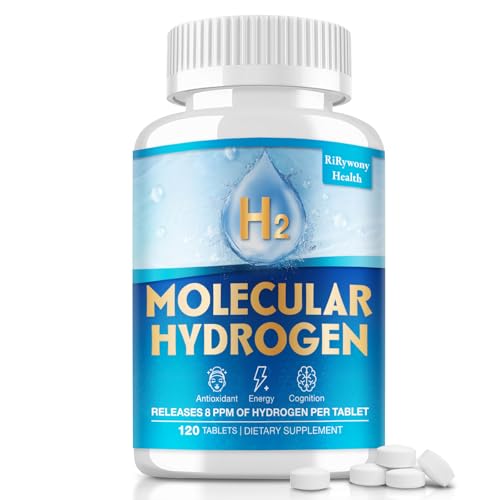
🛒 Where to Buy Molecular Hydrogen
- Drink HRW Rejuvenation Molecular Hydrogen TabletsLab-tested / studied
tablets, 1 tablet per 500ml water — Research-grade effervescent tablet; developed with involvement from the Molecular Hydrogen Foundation; among the highest documented H2 output per tablet; frequently cited in community as the benchmark - Dr. Mercola Molecular Hydrogen Tablets
tablets, 2 tablets daily in water — Mass-market accessible entry point; wide distribution; uses magnesium as hydrogen carrier; good brand recognition for general wellness shoppers - Water & Wellness H2 Elite Molecular Hydrogen Tablets
tablets, 1 tablet per 16 oz water — Travel-friendly compact packaging; practical for daily carry; good entry-level tablet option for those new to H2 - Susosu Water Hydrogen-Infused Sparkling Water Pouches
liquid, 1 pouch (8 oz) — Ready-to-drink sealed aluminum pouches preserve dissolved H2; Japanese-origin brand; no dissolution required; convenient format for on-the-go use
As an Amazon Associate we earn from qualifying purchases. Molecular hydrogen quality comes down to dissolved H2 concentration, not price. Choose a product that states a specific ppm (mg/L) figure backed by third-party testing, and prefer airtight aluminum or sealed glass packaging — a vague high-concentration claim is unverifiable, and H2 escapes quickly from plastic and open containers.
A Note on the Evidence
The human trial evidence on hydrogen water and athletic performance is early-stage, with most studies enrolling fewer than 30 participants, running for two weeks or less, and originating from outside the United States; findings should be considered preliminary and not grounds for replacing established recovery or training practices. This article is informational only and does not constitute medical advice — consult a qualified healthcare provider before adding any new supplement protocol, particularly if you have underlying health conditions or take medications.
Frequently Asked Questions
Does hydrogen water improve athletic performance?
The direct performance evidence is mixed. Two rigorous crossover studies in trained runners found no improvement in timed performance after acute pre-exercise hydrogen water intake [1][2]. However, other studies have observed improvements in lactate, ventilation, and perceived effort [3], suggesting effects may appear in physiological sub-measures before translating to measurable performance gains.
How long does it take for hydrogen water to show effects in athletes?
Multi-day or multi-week supplementation appears to produce more consistent signals than single acute doses. A two-week supplementation protocol was associated with increased peak VO2 in healthy adults [5], and a six-week protocol produced measurable changes in exercise biomarkers in adults over 50 undergoing resistance training [6]. Single-dose protocols have not demonstrated performance benefits in trained athletes.
Can hydrogen water reduce muscle fatigue and soreness?
Some evidence suggests it may influence perceived fatigue and psychometric tiredness. A randomized, double-blind, placebo-controlled trial found that hydrogen water drinking enhanced endurance and relieved psychometric fatigue [4]. These are early findings from small trials, and hydrogen water should not be considered a proven treatment for exercise-induced muscle damage or soreness.
Does hydrogen water lower blood lactate during exercise?
One study found that hydrogen-rich water improved ventilatory, perceptual, and lactate responses to exercise, including lower blood lactate levels in the H2 water group [3]. This is one plausible pathway through which the intervention might support high-intensity training performance, though it has not been consistently replicated across all studies.
Is hydrogen water safe for athletes to use?
Molecular hydrogen at the concentrations present in commercially available hydrogen-rich water is broadly regarded as inert and no serious adverse effects have been reported in the published human trial literature. It is not classified as a drug. Athletes with medical conditions, those pregnant or nursing, or those taking medications should consult a healthcare provider before regular use.
Is hydrogen water more useful for older or recreational athletes than elites?
Preliminary data suggests this may be the case. A 2025 pilot trial found exercise biomarker changes in adults over 50 who were new to resistance training [6], while studies in already-trained competitive athletes have generally found smaller or no measurable performance effects [1][2]. Highly trained individuals may have adapted antioxidant defenses that reduce the margin for supplementation to produce detectable benefits.
References
- Valenta M et al. Acute pre-exercise hydrogen rich water intake does not improve running performance at maximal aerobic speed in trained track and field runners: A randomized, double-blind, placebo-controlled crossover study. PloS one (2022). PMID 36538554
- Ooi CH et al. Acute ingestion of hydrogen-rich water does not improve incremental treadmill running performance in endurance-trained athletes. Applied physiology, nutrition, and metabolism = Physiologie appliquee, nutrition et metabolisme (2020). PMID 31675478
- Botek M et al. Hydrogen Rich Water Improved Ventilatory, Perceptual and Lactate Responses to Exercise. International journal of sports medicine (2019). PMID 31574544
- Mikami T et al. Drinking hydrogen water enhances endurance and relieves psychometric fatigue: a randomized, double-blind, placebo-controlled study (1). Canadian journal of physiology and pharmacology (2019). PMID 31251888
- Hori A et al. Two-week continuous supplementation of hydrogenrich water increases peak oxygen uptake during an incremental cycling exercise test in healthy humans: a randomized, single-blinded, placebo-controlled study. Medical gas research (2020). PMID 33380582
- Kuzmanovic J et al. The effects of drinking hydrogen-rich water for six weeks on exercise-related biomarkers in exercise-naïve men and women over 50 years following resistance training program: a randomized controlled pilot trial. Research in sports medicine (Print) (2025). PMID 40525414
- Chiron F et al. Exploring the Influence of Acid-Base Status on Athletic Performance during Simulated Three-Day 400 m Race. Nutrients (2024). PMID 38999735
These statements have not been evaluated by the Food and Drug Administration. This information is not intended to diagnose, treat, cure, or prevent any disease. Content is for informational purposes only and is not medical advice; consult a qualified healthcare provider before starting any supplement. As an Amazon Associate we earn from qualifying purchases.
